Overview
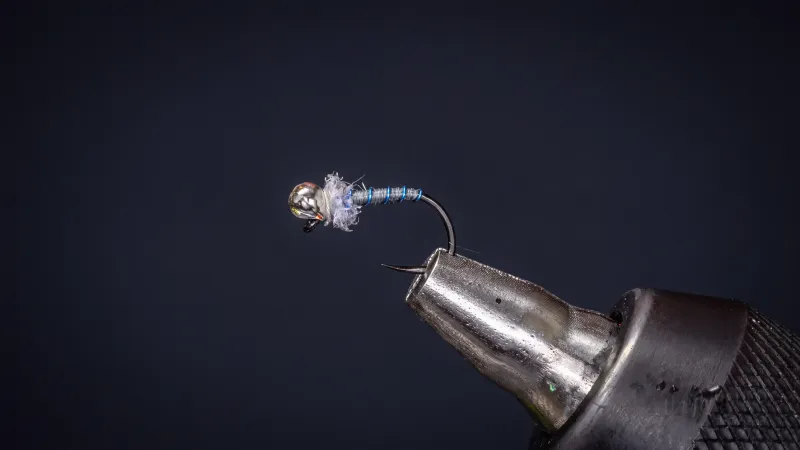
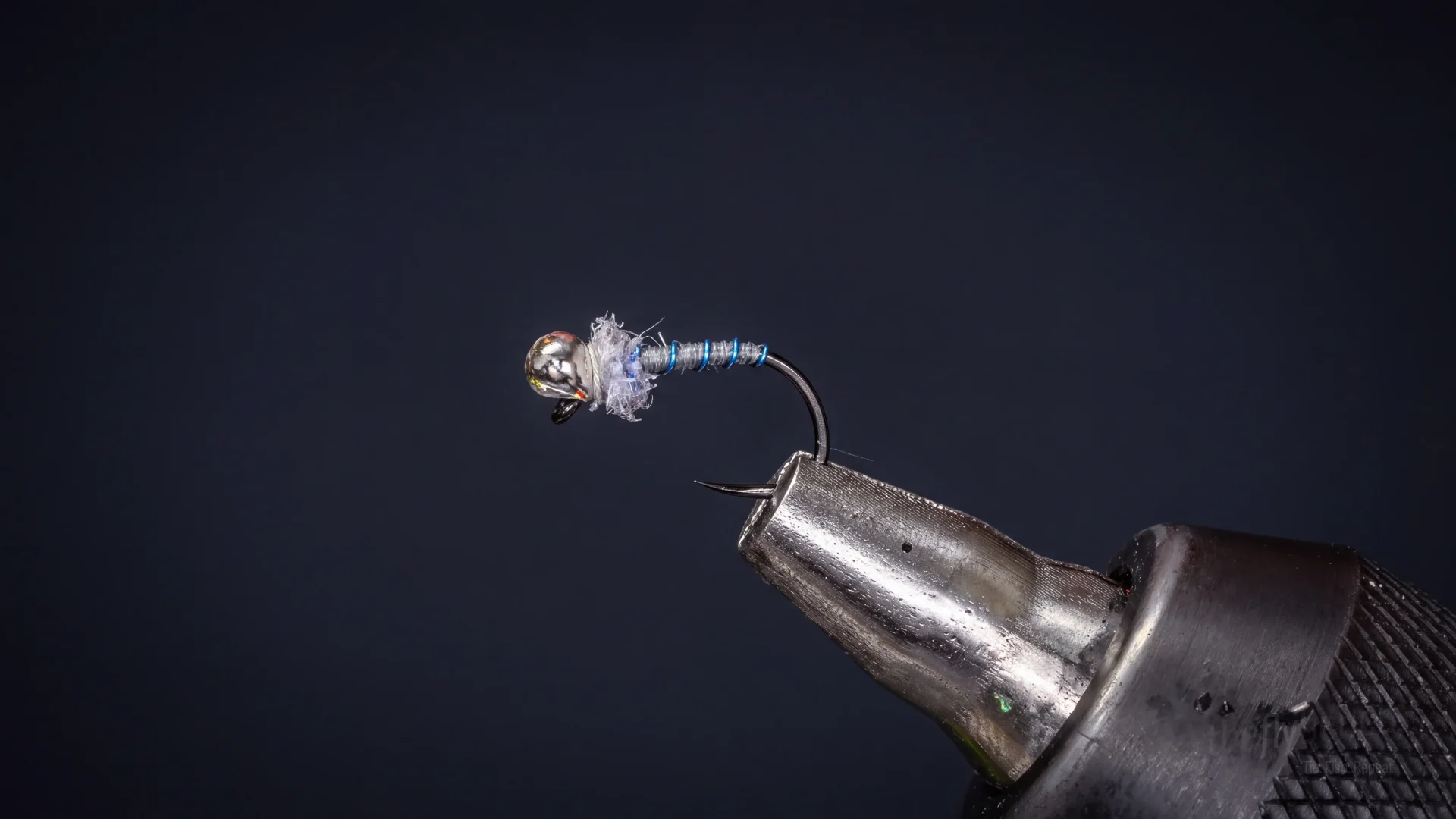
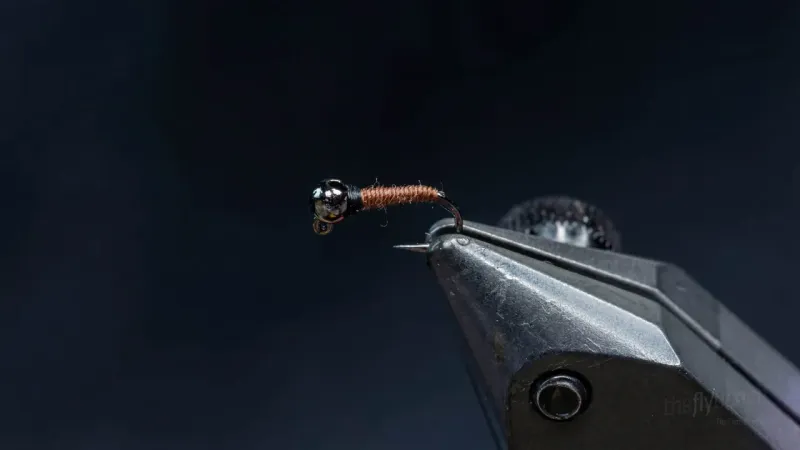
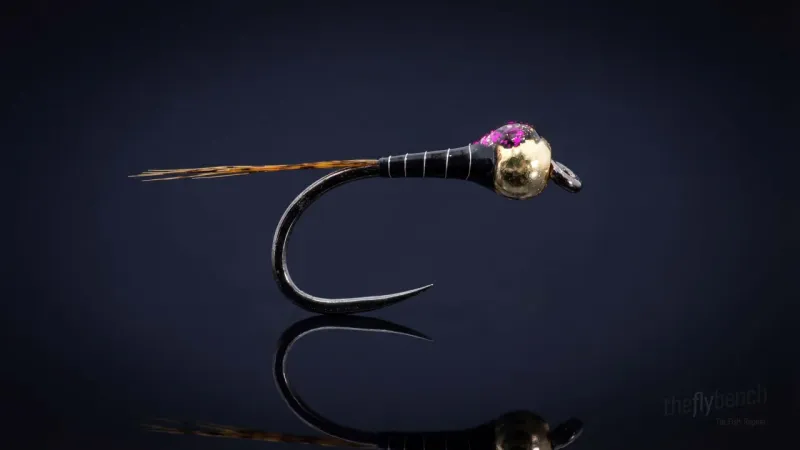
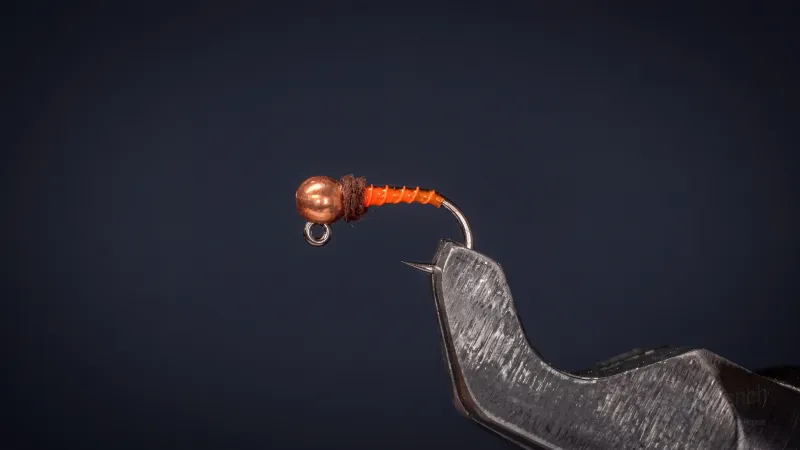
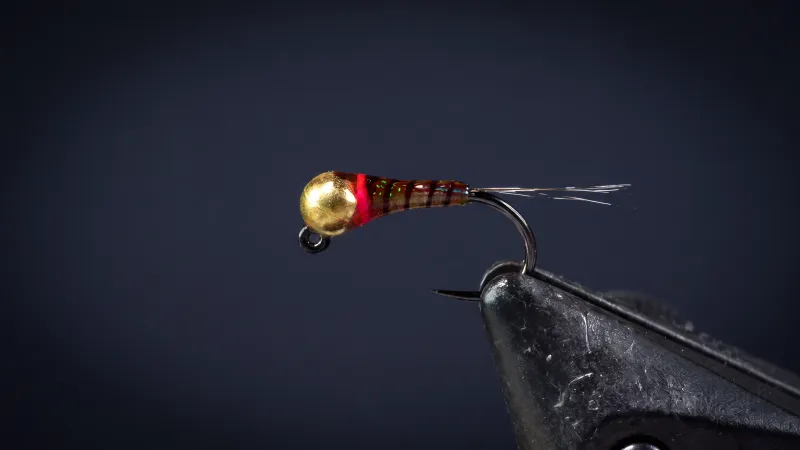
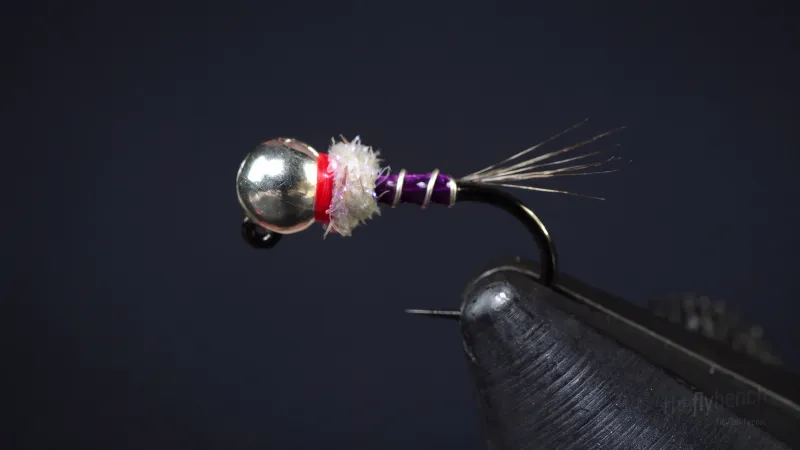
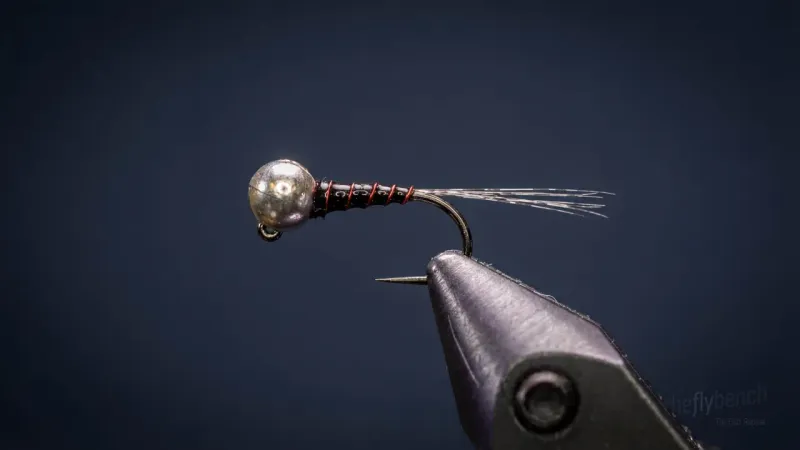
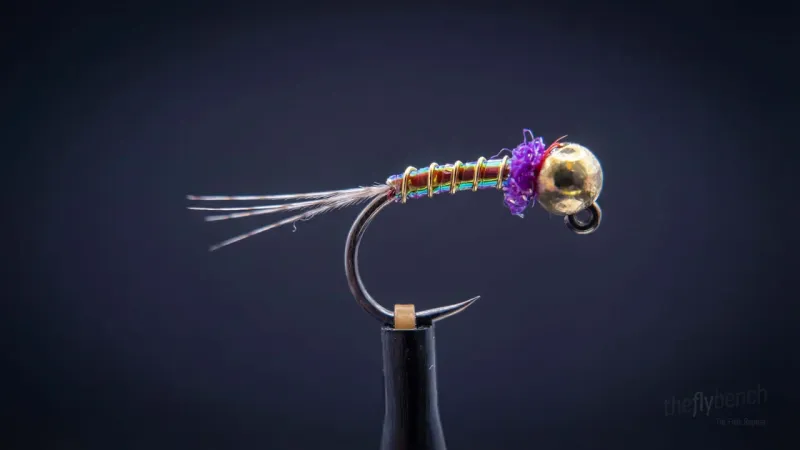
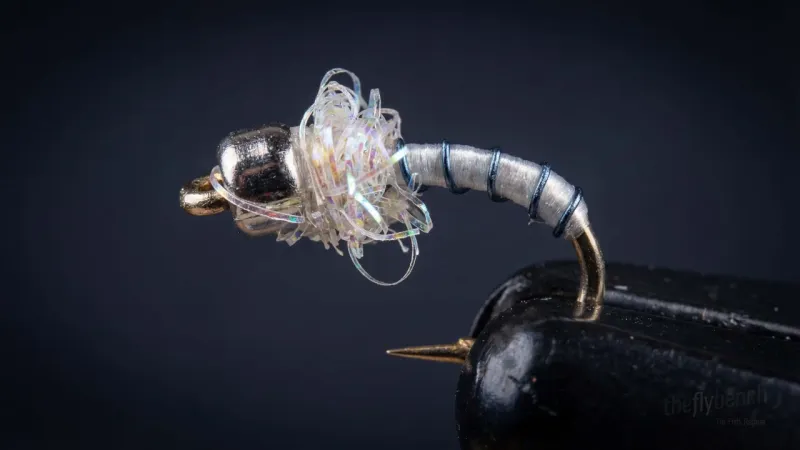
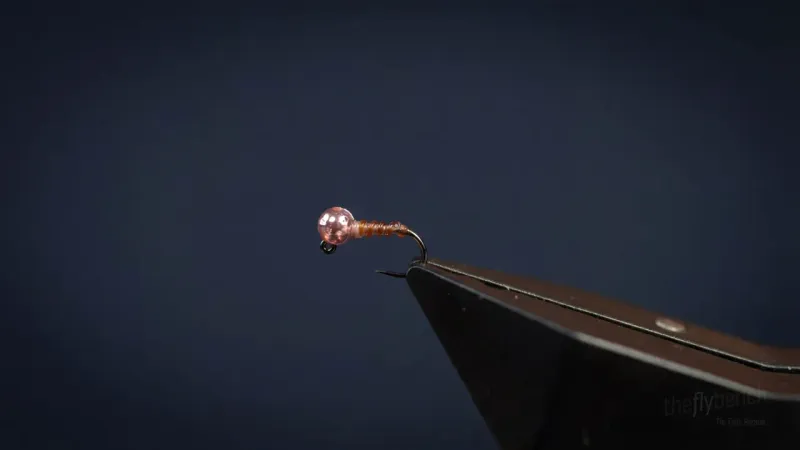
The Poison Bomb is a jig-hook take on Charlie Craven's Poison Tung, an Umpqua signature midge, tied by Kyle at AvidMax for tight-line fishing. It keeps the gray thread body, blue wire rib and UV gray Ice Dub head but moves to a short-shank jig hook with a 5/32" tungsten bead. An Umpqua 210 BL jig hook and UTC blue wire work as substitutes.
Related patterns
Behavior & presentation
- Natural Behavior
- Small midge pupae and slim mayfly nymphs lose their grip on the streambed and drift low in the current, with little ability to swim back down.
- Where Trout Eat It
- Trout hold close to the bottom in riffles and pocket water and pick off these tiny drifting insects without moving far from their lies.
- How to Fish It
- Fish it on a tight line as the tag or point fly, keeping light tension so the bead ticks along the bottom. In winter it also works under an indicator.
- Best Water
- Riffle drop-offs, pockets behind boulders, and seams along the edges of faster water on pressured tailwaters.
- Strike Type
- A short pause or slight twitch in the sighter, often no more than a hesitation, as trout take the small fly quietly.
Fishing strategy
- Rigging Suggestions
- Run it on a Euro leader with 5X-6X fluorocarbon tippet as the tag fly above a heavier point nymph, or as the point fly in shallower riffles. It also works as the bottom fly under an indicator.
- Seasonal Timing
- Year round, with its best stretch from December through March when midges make up much of a trout's diet.
- Pro Tips
- The size #16-20 hook keeps it small enough for heavily fished water. Keep tension through the whole drift so you can see the small pauses that signal a take.
Entomology
Midge pupae leave their tubes in the streambed and drift or rise slowly toward the surface before hatching. They are small and weak swimmers, so they spend long stretches tumbling near the bottom where trout can eat them with little effort. On tailwaters they are available every month of the year.
- Order
- Diptera
- Family
- Chironomidae
- Common name
- Midge
- Organism
- insect
- Life stage
- pupa
Pattern details
- Moving Water
- Rocky Mountain
- tight-line-nymph
- dead-drift
- indicator-nymph
- midge-hatch
- cold-water
- tailwater
- beginner-friendly
- modern