Overview
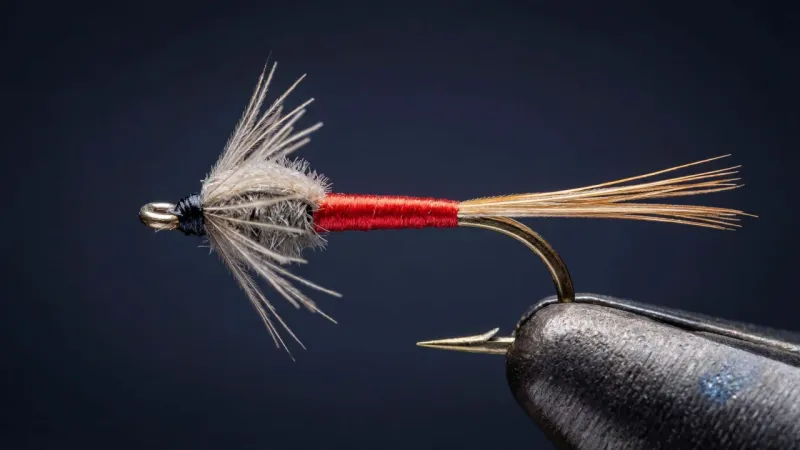
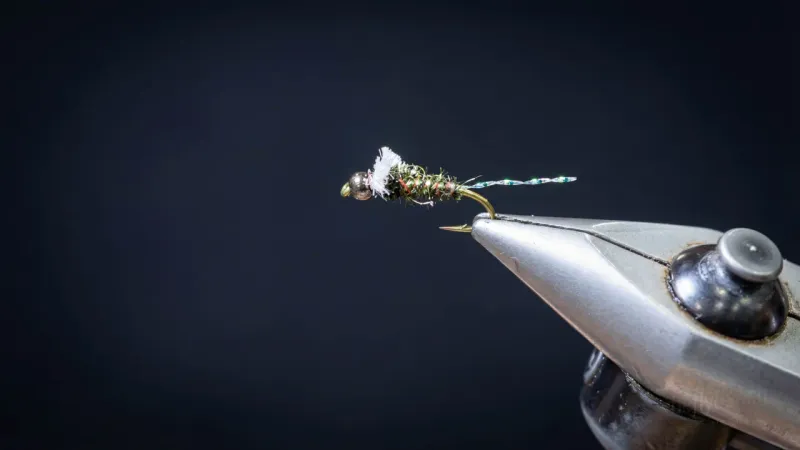
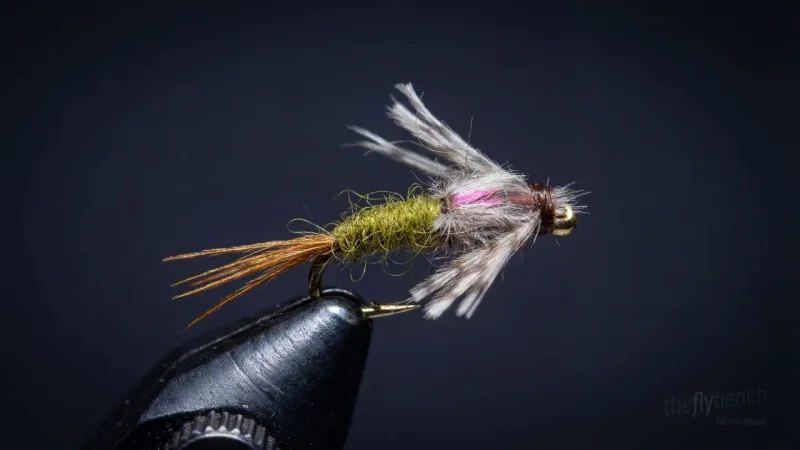
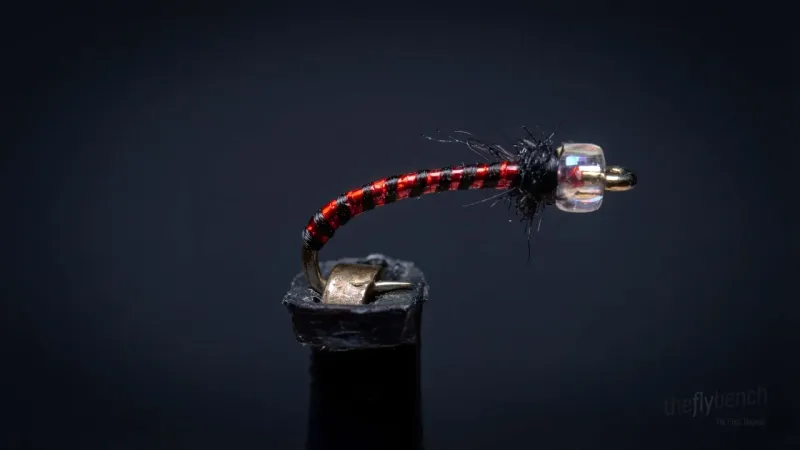
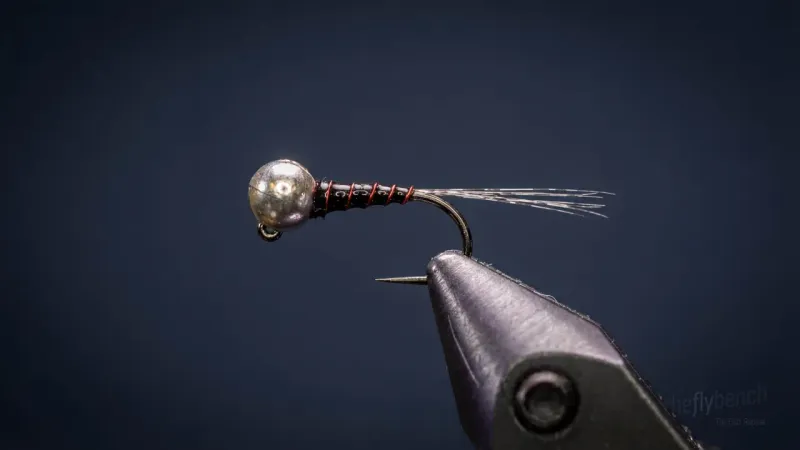
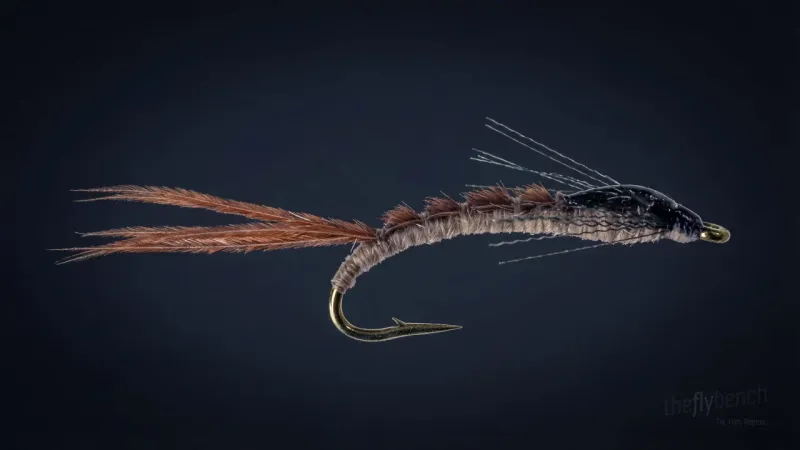
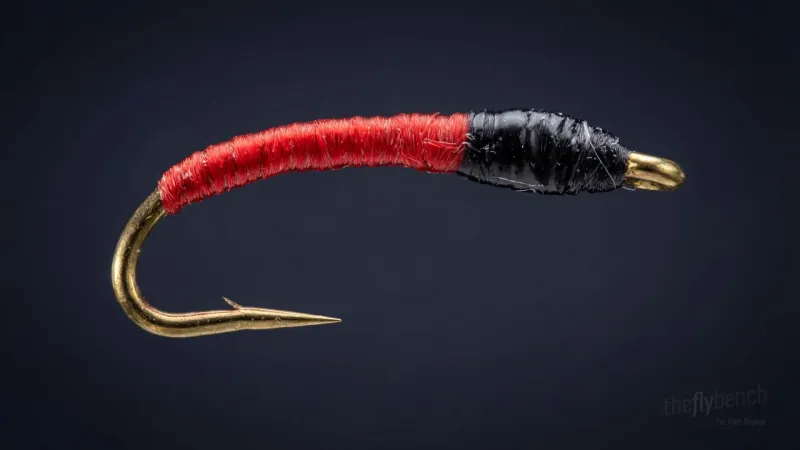
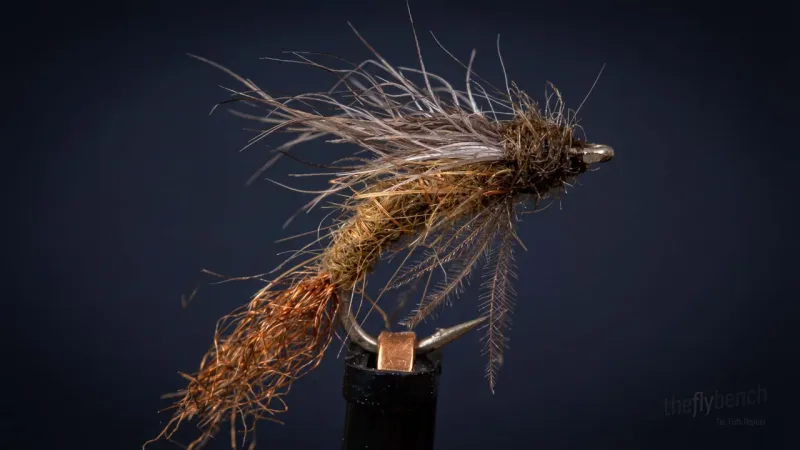
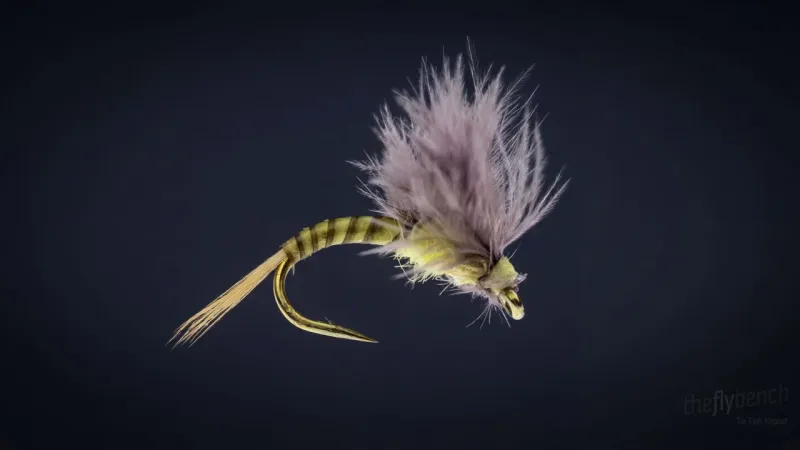
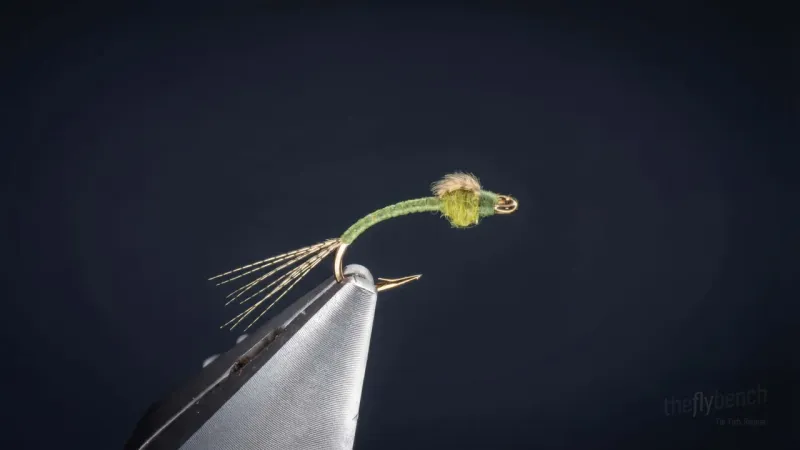
Designed by John Barr, this slim emerger pattern is a minimalist fly built to ride just below the surface during mayfly hatches. It's tied on a curved emerger hook with a sparse dubbing body, a fine shuck made of Antron or Z-lon, and a small tuft of CDC or synthetic for the wing. There's no bead or hackle—just a clean silhouette that imitates an emerging mayfly. The simplicity of materials and proportions makes precise thread control essential when tying.
Related patterns
Behavior & presentation
- Natural Behavior
- Tiny mayfly emergers transition through the meniscus with abbreviated struggle time, their small size making extraction faster but no less vulnerable. Trout target these miniature profiles during sparse hatches.
- Where Trout Eat It
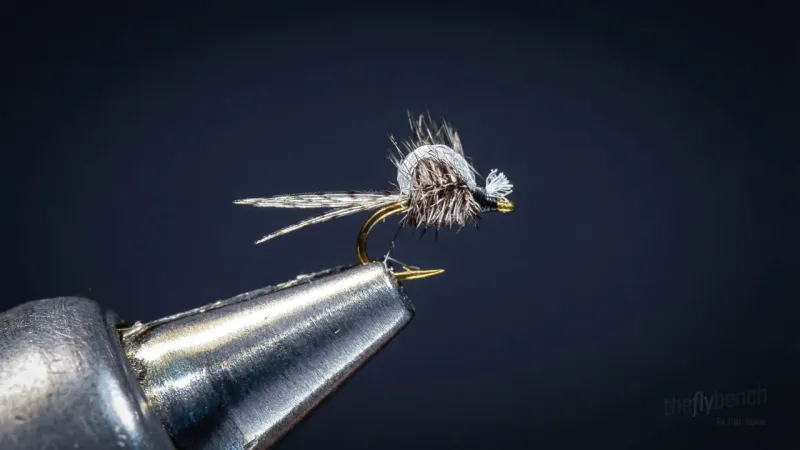
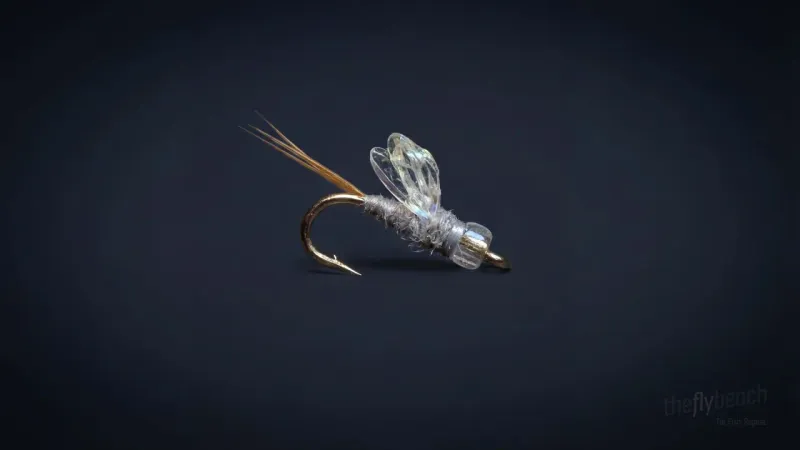
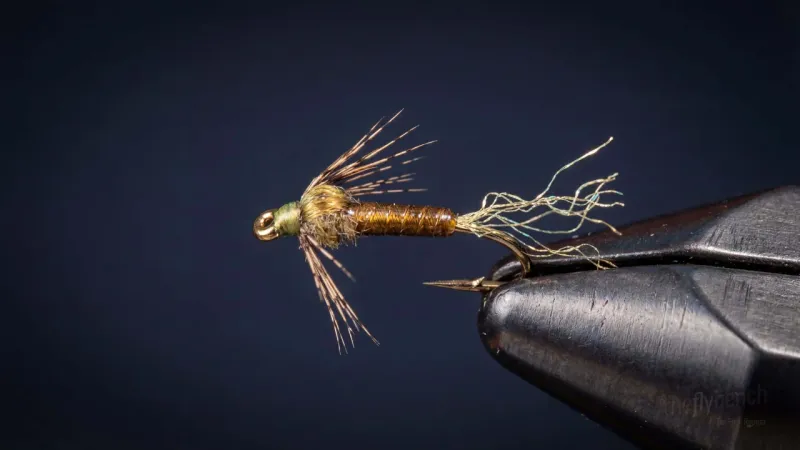
- Trout intercept this minimalist pattern hanging vertically in the surface film during midge and small mayfly hatches on spring creeks and tailwaters. The CDC puff wing sits flush in the film while the curved body dangles below, creating the exact profile of a trapped emerger.
- How to Fish It
- Suspend in the film alone or as a dropper beneath a small parachute dry with 5X-6X tippet. The slim profile and CDC wing require drag-free drifts with minimal disturbance—grease your leader but not the fly, allowing it to hang motionless in the film.
- Best Water
- Excels in tail-outs, back eddies, and soft seams of the Fryingpan and Yampa Rivers where selective trout feed on small emergers. Target foam lines and slicks in slow runs during overcast conditions when midge activity intensifies on technical Rocky Mountain waters.
- Strike Type
- Minuscule takes require intense focus—any pause in drift or leader twitch demands an immediate set.
Fishing strategy
- Rigging Suggestions
- Fish it alone in the film or as the top fly of a two-fly rig. Use 5X-6X tippet.
- Seasonal Timing
- Fished year-round. Midges hatch every month on tailwaters and spring creeks, and from December through February they are often the only insects trout see. Fish it whenever trout are taking emerging midges near the surface.
- Pro Tips
- It rides in the surface film like an emerging midge. The peacock herl thorax adds a little buoyancy and the CDC puff helps you see it.
Where to fish it
Rivers anglers pair with this fly, with local shops that stock it.
River details and fly shops from River & Run, our sister site.
Entomology
Midge pupae hang suspended in the surface film in a vertical position, trapped by surface tension as they attempt to break through to emerge. This vulnerable position can last several minutes, with the pupa struggling to shed its pupal shuck. Trout sip these emergers with subtle rises, often refusing fully emerged adults or submerged pupae in favor of this consistent, easy-to-intercept meal during prolific midge hatches.
- Order
- Diptera
- Family
- Chironomidae
- Common name
- Midge
- Organism
- insect
- Life stage
- general
Pattern details
- Stillwater
- Moving Water
- Rocky Mountain
- dead-drift
- baetis-hatch
- midge-hatch
- low-clear-water