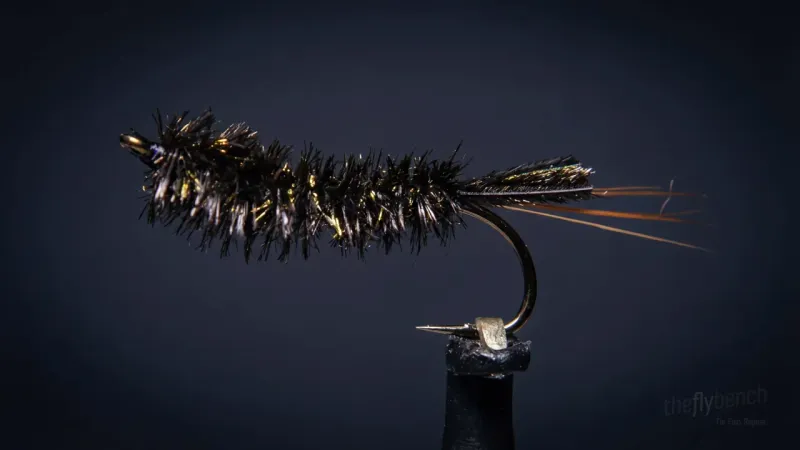
StreamersArticulated Aggravator
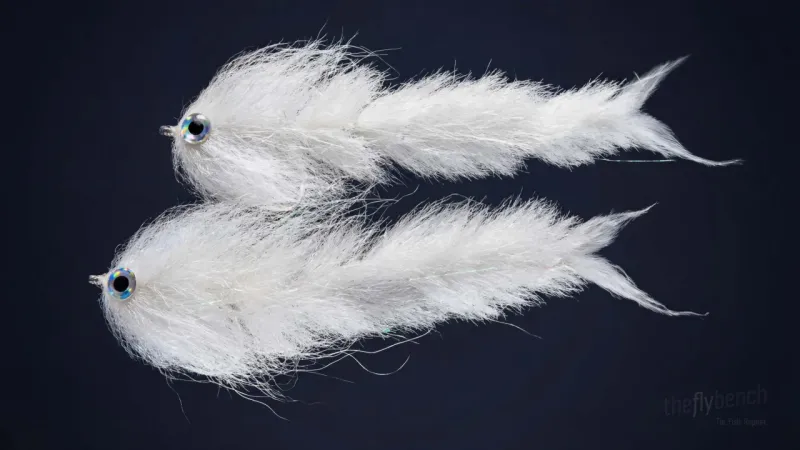
The Articulated Aggravator is a large, articulated streamer pattern designed to create a lot of movement and disturbance in the water. This fly is perfect for hunting big predatory fish that are attracted to large, struggling prey.
Year Round
Advanced
Bass, Pike, Musky
Apr 2025
Overview
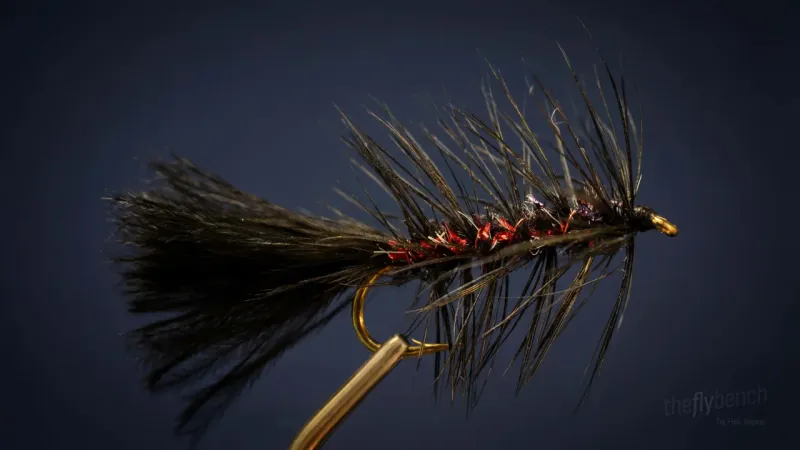
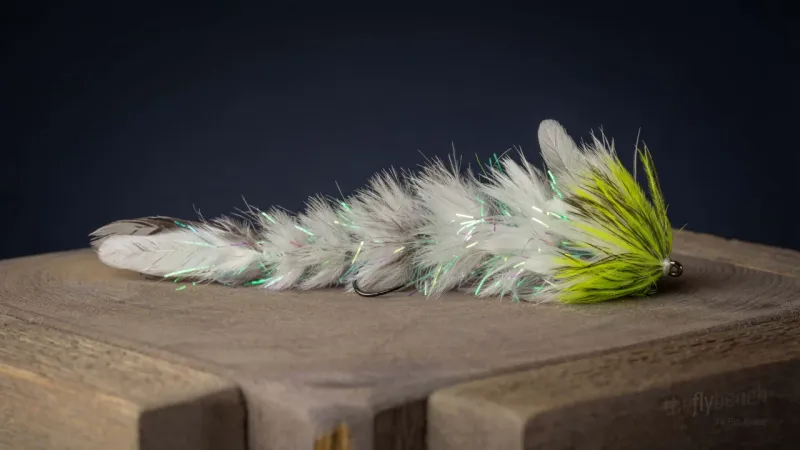
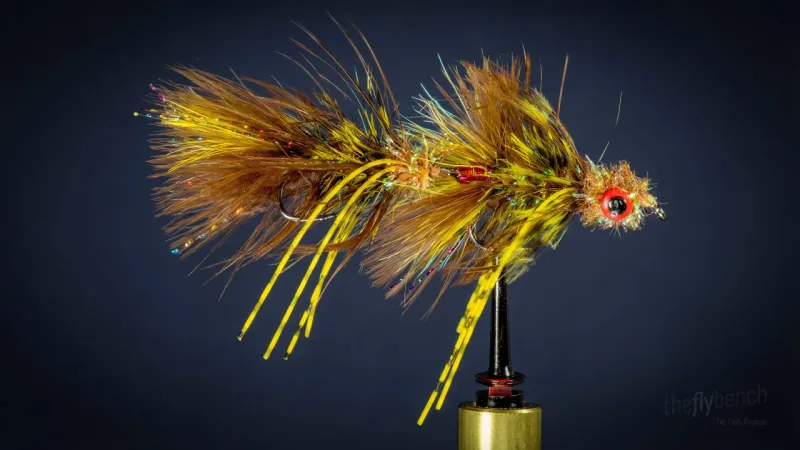
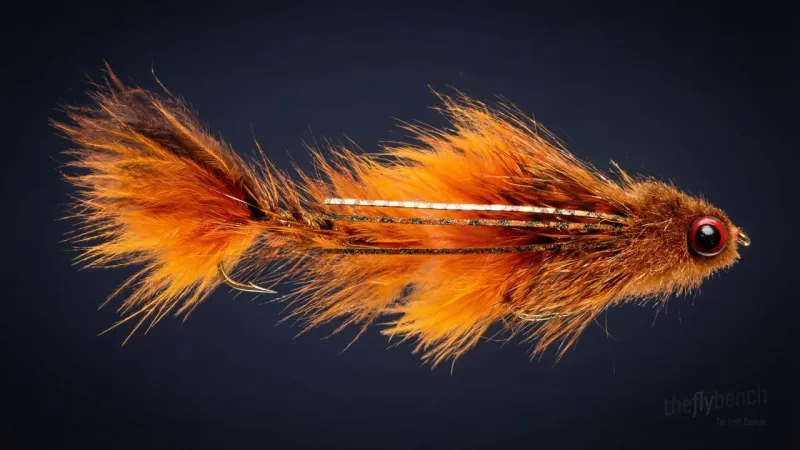
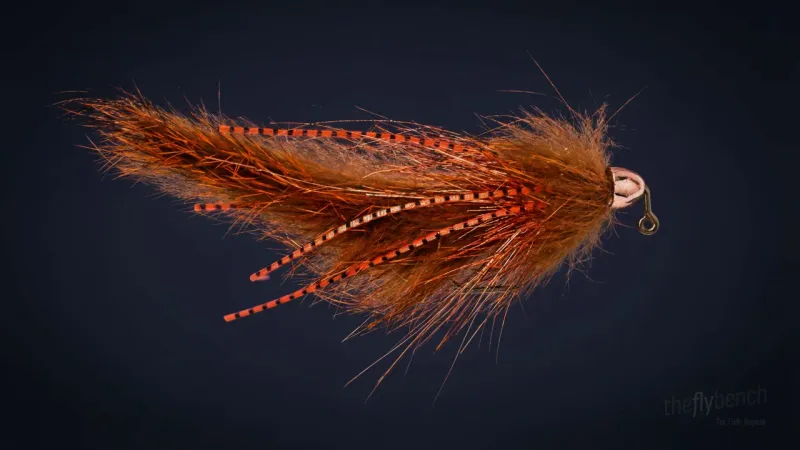
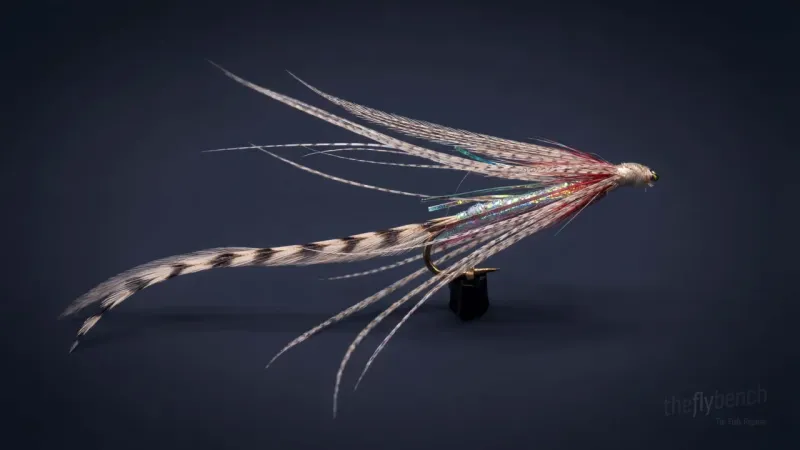
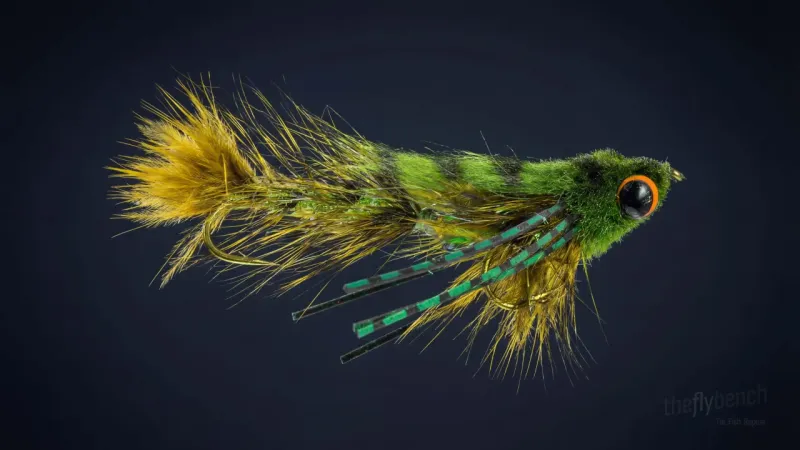
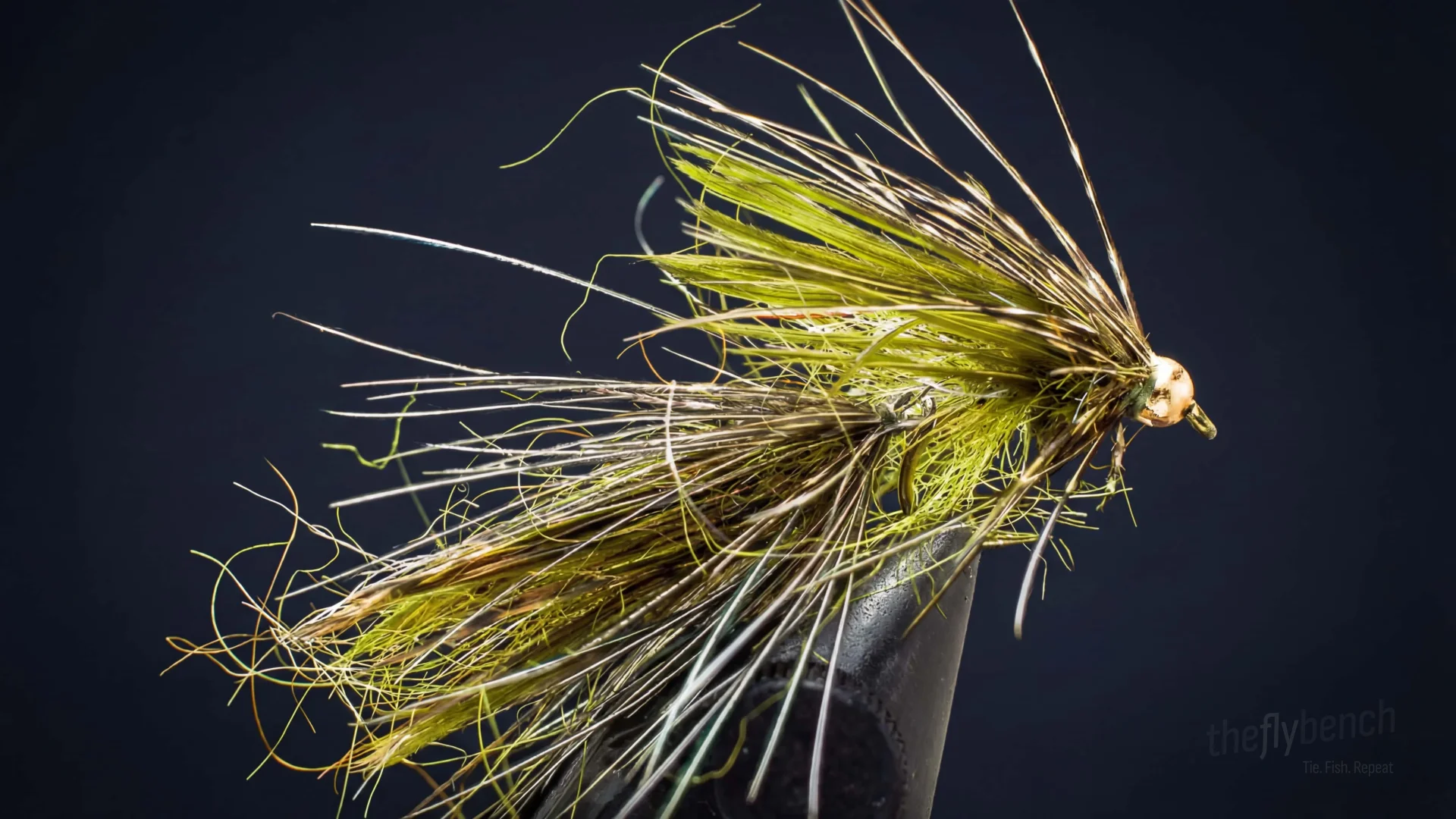
The Articulated Aggravator is a two-hook articulated streamer built for bulk and movement rather than a conehead sink rate. A long white marabou tail kicks and pulses off the back hook, while a silver tinsel body ribbed with wire on the front section adds flash and segmentation. White bucktail topped with peacock herl builds the wing profile, and a spun-and-trimmed black deer hair head pushes water and gives the fly a bulky silhouette. The two hooks are joined with braided wire strung with glass beads, letting the fly swim with an independent, tail-wagging action that's deadly on bass, pike, and musky in heavier water or low light.
Where to Buy This Fly
We only link to fly shops we trust. Some links are referral links, which may earn us a commission at no extra cost to you.
Materials
- Hook:
- Tiemco 5262, size #2–#6 for the front, size #4–#8 for the back
- Thread:
- Black Veevus 10/0
- Tail:
- Long white marabou feathers
- Body:
- Silver tinsel
- Ribbing:
- Medium silver wire
- Wing:
- White bucktail topped with peacock herl
- Head:
- Black deer hair, spun and trimmed
- Connection:
- Braided wire, with glass beads
Behavior & Presentation
Natural Behavior: Larger juvenile baitfish and forage species patrol deeper runs and undercut structure, using aggressive lateral movements and tail kicks when pursuing prey or fleeing predators. During territorial encounters or stress, they exhibit sharp directional changes and head-shaking motions, with their segmented bodies creating undulating, snake-like swimming that triggers predatory response.
Where Trout Eat It: Great Lakes tributary trout strike this along riprap and dam faces as it swings through turbulent water 2-6 feet deep. The articulated design creates undulation that triggers reaction strikes from aggressive smallmouth and browns.
How to Fish It: Cast into structure and let the fly drop along bottom contours. Strip with variable 6-12 inch pulls creating disturbance.
Best Water: Target pocket water between riprap boulders and undercuts below dam faces where baitfish hide.
Strike Type: Expect violent line-ripping grabs as aggressive fish chase and engulf the undulating streamer, often hitting during pauses or directional changes with enough force to pull line through your fingers.
Fishing Strategy
Rigging Suggestions: Use a heavy leader to withstand the aggressive strikes this fly can provoke.
Seasonal Timing: This fly can be fished year-round, but may be especially effective in the and when predatory fish are more active.
Pro Tips: This fly creates a lot of disturbance and movement in the water, attracting attention from predatory fish. It's designed to sink and imitate a struggling baitfish.
Entomology
Large baitfish and juvenile gamefish inhabit deeper pools and undercut banks, ambushing smaller prey while simultaneously avoiding apex predators. During territorial disputes or spawning stress, these mid-sized forage fish exhibit aggressive darting and erratic turns that attract attention from larger opportunistic feeders. The substantial caloric reward of capturing a 3-6 inch baitfish justifies the energy expenditure of explosive strikes in fast or turbulent water.
- Organism Type
- baitfish
- Life Stage
- general