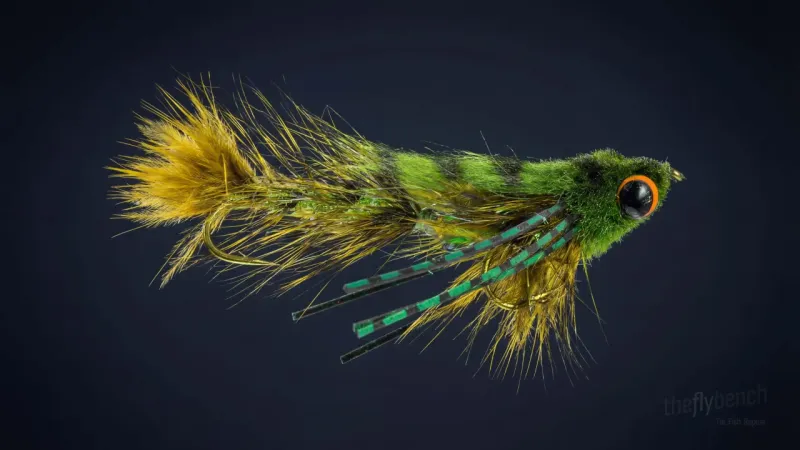
SaltwaterChristmas Island Bonefish Fly
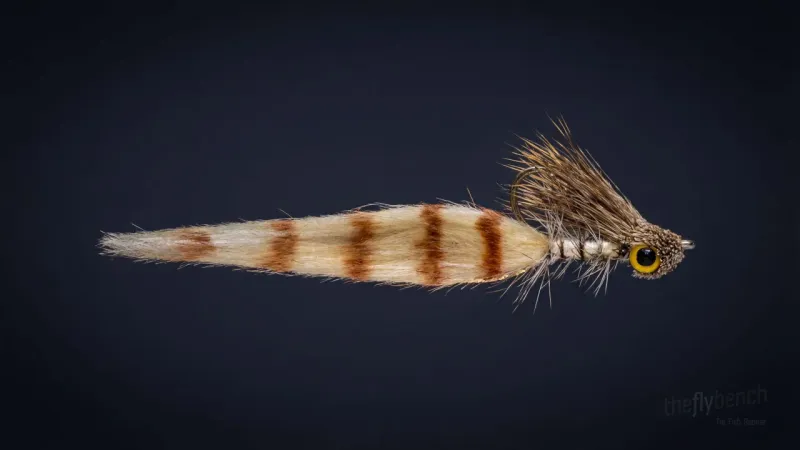
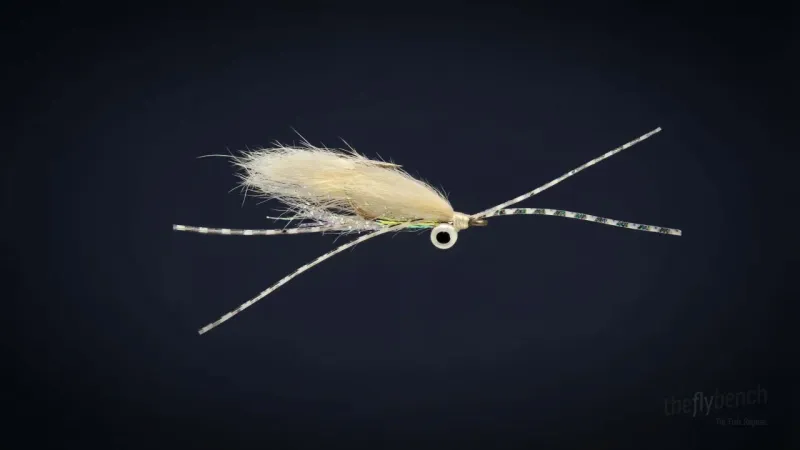
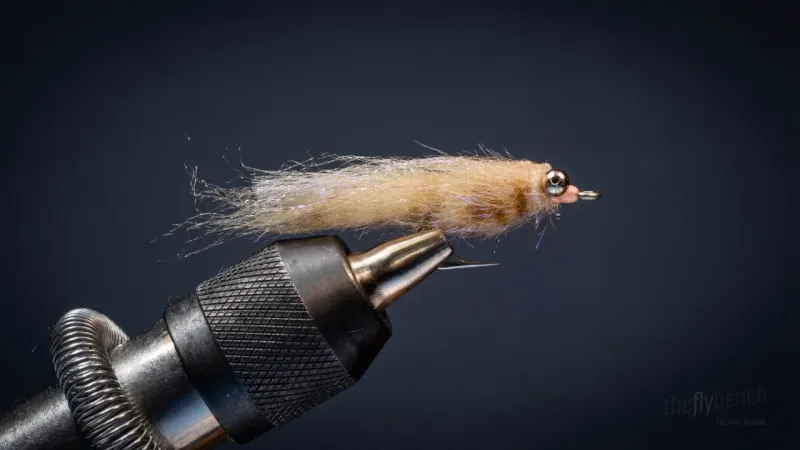
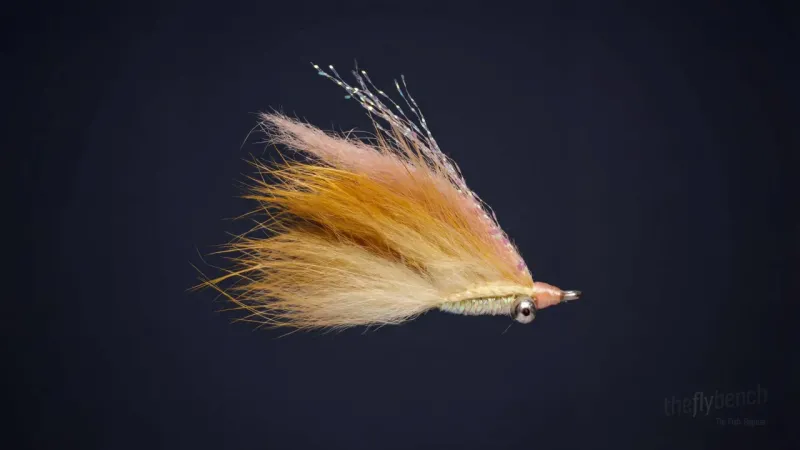
A simple, yet effective pattern for bonefish on the flats. This fly is tied sparsely, allowing it to sink quickly and mimic the small crustaceans that bonefish prey on.
Year Round
Beginner
Bonefish
Apr 2025
Overview
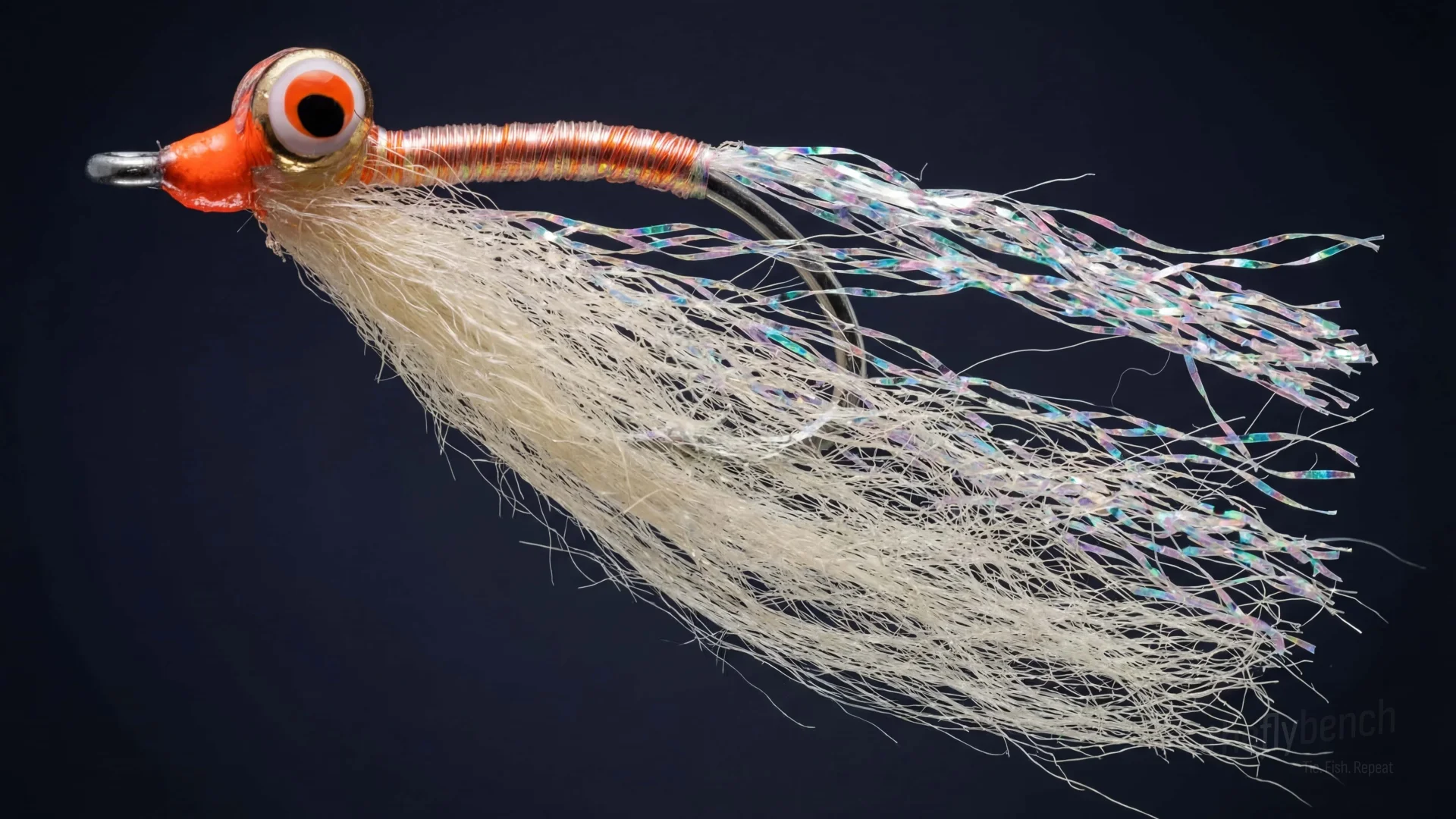
This iconic saltwater fly uses a dubbed or wrapped synthetic body with pearl Krystal Flash or Ultra Hair for the wing and small bead chain eyes for just the right sink rate. Often tied in tan or pink, it's simple, durable, and a must-have for flats fishing.
Where to Buy This Fly
We only link to fly shops we trust. Some links are referral links, which may earn us a commission at no extra cost to you.
Materials
- Hook:
- Tiemco 811S, size #2–#6
- Thread:
- Tan or Pink UTC 140
- Body:
- Pearl Diamond Braid
- Tail:
- Pink or Orange Krystal Flash
- Eyes:
- Medium bead chain, silver
- Collar:
- Tan/Sand Pseudo Hair or Craft Fur
Behavior & Presentation
Natural Behavior: Tidal currents dislodge tiny crustaceans from grass beds and coral rubble, sending them tumbling across open sand. Massive populations colonize these zones, relying on camouflage until dislodgement exposes them to cruising bonefish.
Where Trout Eat It: Bonefish work systematically across flats and sandy zones during incoming tides when prey is exposed.
How to Fish It: Cast ahead of cruising fish, let sink, then use slow twitching retrieve along bottom.
Best Water: Target shallow flats, grass edges, channel swings, drop-offs, and coral rubble zones.
Strike Type: The line tightens suddenly and weight appears as bonefish mouth the fly; respond with a firm strip-set when you feel solid resistance.
Fishing Strategy
Rigging Suggestions: Typically used alone on a 9-12 foot leader with 12-16 lb fluorocarbon tippet for abrasion resistance and invisibility. Adjust weight based on water depth and current.
Seasonal Timing: Effective year-round in tropical saltwater environments, with peak fishing during the warmer months from May through October when bonefish are most active on the flats.
Pro Tips: The flash in the tail and body attracts attention from a distance, while the bead chain eyes help it sink quickly to the feeding zone without spooking fish with a heavy splash.
Entomology
Tiny shrimp and amphipods colonize turtle grass flats and coral rubble zones in massive numbers, relying on camouflage and small size for protection. Tidal currents dislodge these crustaceans from their hiding spots, sending them tumbling helplessly across open sand where they become easy pickings for cruising bonefish. The sheer abundance of these prey items means bonefish can feed efficiently by systematically working productive flats during optimal tidal stages.
- Organism Type
- crustacean
- Life Stage
- general