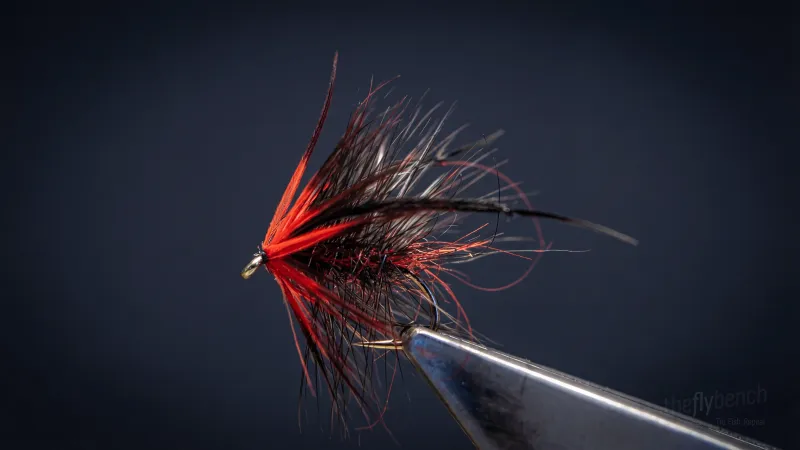
Dry FliesBlack X Caddis
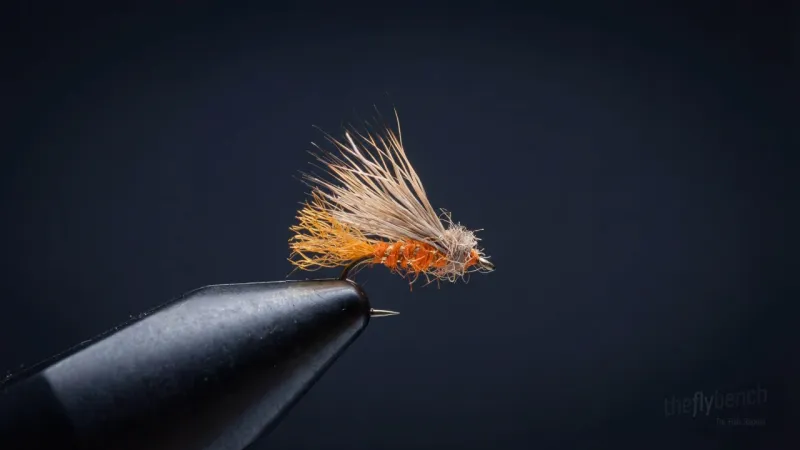
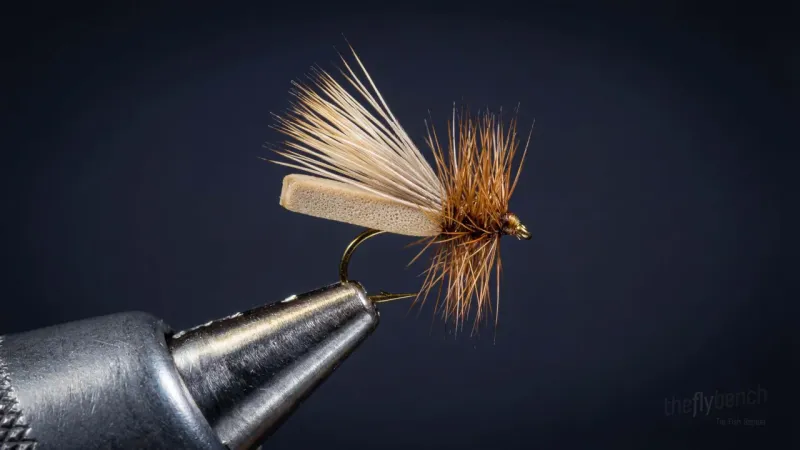
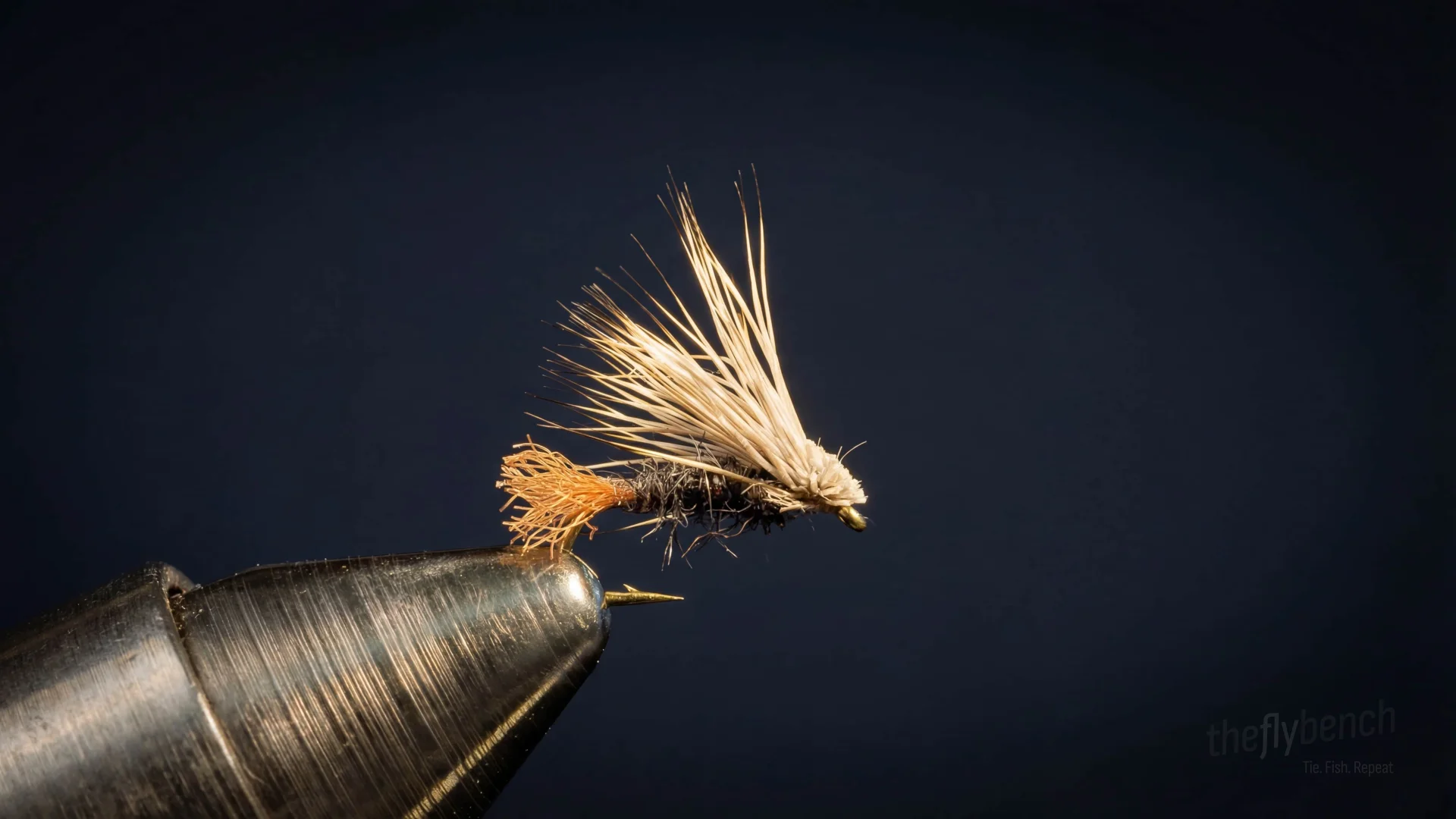
The Black X Caddis is a dark variation of the classic X Caddis pattern designed to imitate black caddis species, particularly Glossosoma (saddle-case makers). Its sparse deer hair wing and slim Zelon dubbing body create a low-riding profile that fish find irresistible during dark caddis emergences. The pattern is simple to tie yet highly effective.
Summer, Fall
Beginner
Trout
Dec 2025
Overview
The Black X Caddis follows the X Caddis design pioneered by Craig Mathews, featuring a trailing shuck and sparse deer hair wing. The black coloration specifically matches Glossosoma caddis that are abundant on many western rivers. This pattern is particularly effective when black caddis are emerging and fish become selective to color.
Where to Buy This Fly
We only link to fly shops we trust. Some links are referral links, which may earn us a commission at no extra cost to you.
Materials
- Hook:
- Tiemco 100 or Umpqua U001, #20
- Thread:
- Uni-Thread, 8/0, black
- Shuck:
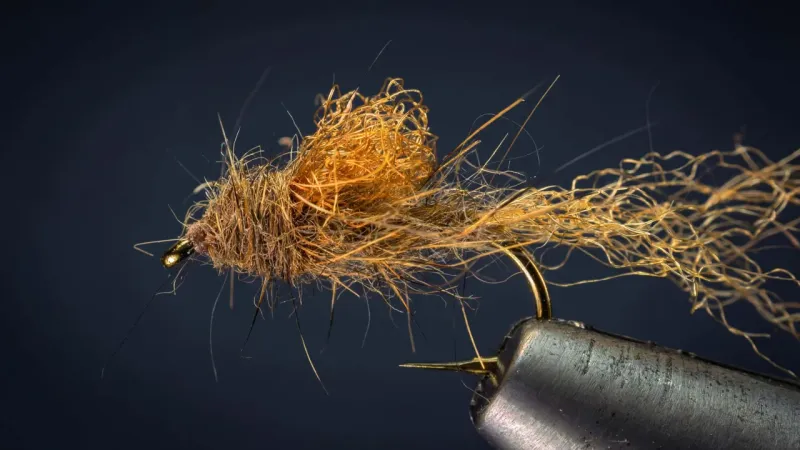
- Crinkled Zelon, caddis amber or gold
- Body:
- Zelon Dubbing, glossosoma adult black (or black Antron Dubbing)
- Wing:
- Elk or deer hair, natural micro caddis or X Caddis
Behavior & Presentation
Natural Behavior: Glossosoma caddis adults exhibit moth-like fluttering across surfaces during oviposition, touching down repeatedly. Their erratic skittering and tent-shaped wing profile trigger aggressive strikes during sustained evening emergences.
Where Trout Eat It: Trout key on this dark emerger during Glossosoma (black caddis) hatches when larvae synchronize their drift activity. Fish respond aggressively during morning emergence periods when dark pupae are breaking through surface film.
How to Fish It: Ride low in surface film with amber/gold trailing shuck imitating emerging pupa. Dead drift through feeding lanes—dark coloration can be difficult to track in low light so watch for rises. Can also twitch slightly to imitate struggling emergence.
Best Water: Target riffle edges and runs where Glossosoma larvae drift after abandoning cases. The sparse deer hair wing excels in moderate flows on rocky substrate where net-spinning caddis concentrate during June-September evening activity.
Strike Type: Fish attack skating caddis with explosive surface boils or slash at stationary patterns with decisive takes.
Fishing Strategy
Rigging Suggestions: Fish on 9-12 foot leader with 5X-6X tippet. The sparse design floats well but may need periodic drying.
Seasonal Timing: Most effective from June through September during black caddis emergences. Peak activity occurs in late afternoon and evening hours when adult caddis are most active.
Pro Tips: Rides low in the surface film like a natural emerger. The dark coloration can be difficult to track in low light, so consider fishing where you can see the rise rather than the fly.
Entomology
Adult caddisflies exhibit distinctive moth-like fluttering across the water surface, creating micro-disturbances as they oviposit by touching down repeatedly. Their erratic skittering behavior and tent-shaped wing profile trigger aggressive surface strikes, especially during evening emergence periods when adults return to lay eggs. The high activity level and protein density make them priority targets during sustained hatches.
- Order
- Trichoptera
- Common Name
- Caddisfly
- Organism Type
- insect
- Life Stage
- adult