StreamersBlack Ghost
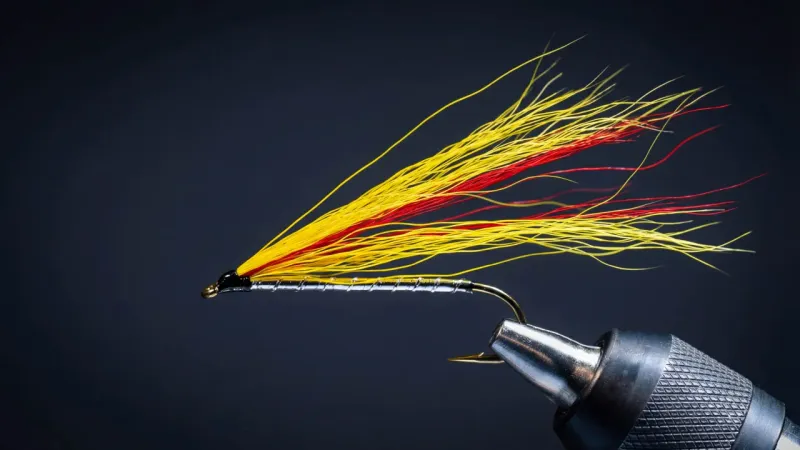
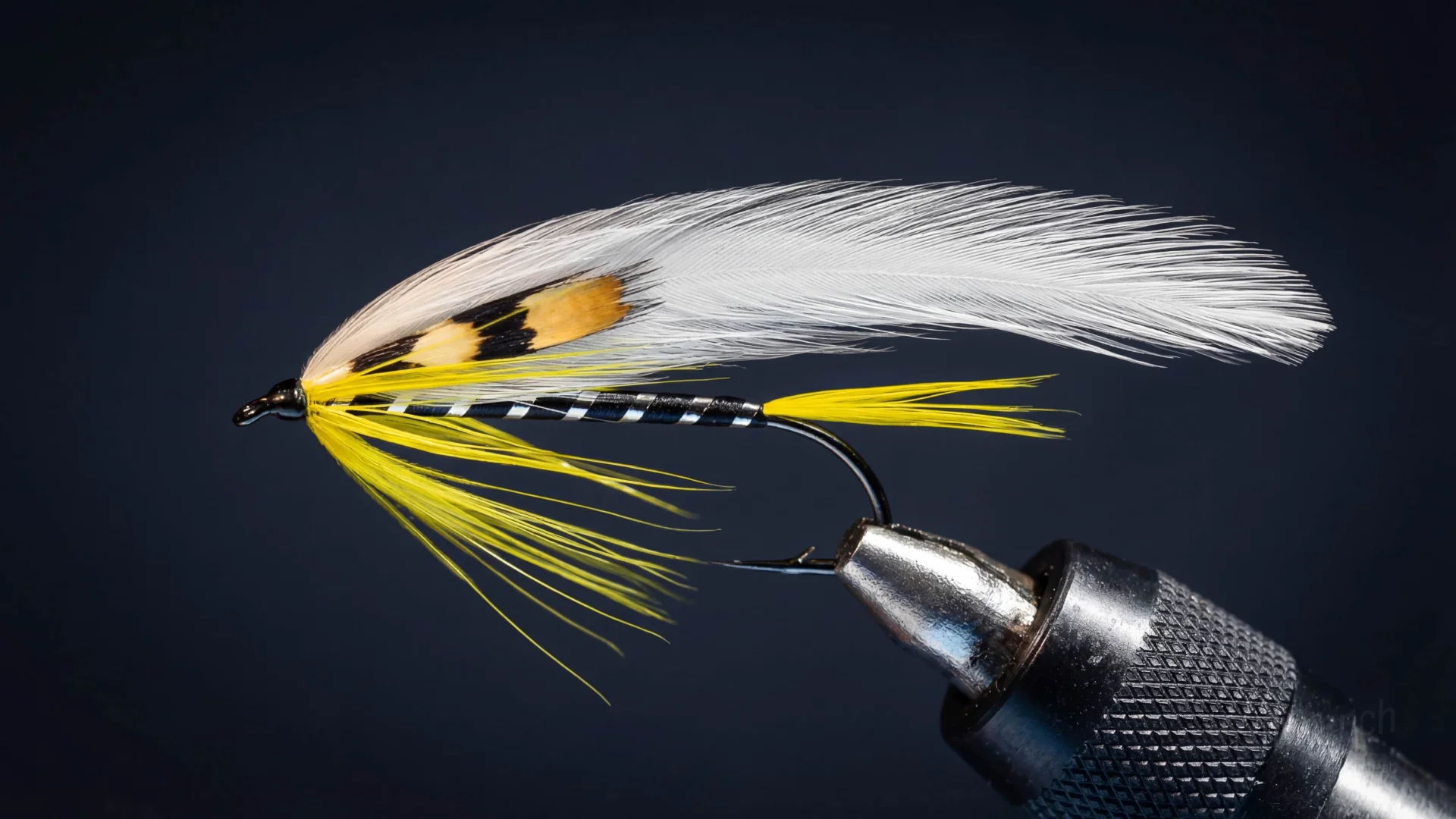
The Black Ghost is a classic eastern feather-wing streamer that has experienced a resurgence in popularity with the renewed interest in traditional streamer patterns. This elegant pattern features a striking contrast between the black floss body and white hackle wing, accented by yellow hackle collar and tail. The addition of jungle cock nail eyes gives this fly the distinctive look that made it a staple of New England trout and salmon fishing.
Year Round
Intermediate
Trout, Landlocked Salmon
Dec 2025
Overview
This Charlie Craven pattern from Charlie's Fly Box showcases the enduring appeal of classic feather-wing streamers. The Black Ghost is tied here on the Tiemco 765TC hook, a loop eye streamer hook featuring the Tiemco Cutting Point. The return wire loop eye provides an excellent platform for feather-wing streamers, while the charming limerick bend adds classic aesthetics. The black nickel finish complements the elegant black and white color scheme of this historic pattern. Charlie notes that while this is a relatively simple tie, there are a few techniques that can trip up the inexperienced tier, making his video particularly valuable.
Materials
Hook: Tiemco 765TC or Tiemco 300, #2-10
Thread: Veevus 14/0, black
Tail: Rooster or Hen Hackle Fibers, yellow
Rib: Mylar Tinsel, medium, silver
Body: Uni-Stretch Floss, black
Wing: Rooster or Hen Hackle Fibers, white
Collar: Rooster or Hen Hackle Fibers, yellow
Eyes: Jungle Cock Nails
Head Cement: Gloss Coat Head Cement
Head Finish: Solarez Bone Dry Plus
Behavior & Presentation
Natural Behavior: Small baitfish school in slack water, flashing silver sides as they turn in unison. Distressed individuals separate from schools and flutter erratically, exposing pale flanks that trigger aggressive predatory responses.
Where Trout Eat It: Trout ambush baitfish near structure, undercuts, and drop-offs, often holding in slack water adjacent to current breaks where they conserve energy while targeting vulnerable prey.
How to Fish It: Strip aggressively with variable retrieves, pausing to let the fly sink near structure. Alternate fast strips with longer pauses to trigger predatory strikes from ambush trout.
Best Water: Focus on undercuts, drop-offs, and structure where ambush trout hold. Channel swings, current breaks, and eddy lines provide cover and access to prey movement corridors.
Strike Type: Strikes are aggressive and violent, often hitting during pauses or direction changes—hold tight and strip set.
Fishing Strategy
Rigging Suggestions: Fish on a 5-7 weight rod with floating or sink-tip line depending on water depth. Use 2X-3X fluorocarbon tippet for abrasion resistance against the toothy mouths of larger trout and salmon.
Seasonal Timing: effectiveness, though particularly productive in and when fish are actively chasing baitfish. The high-contrast color scheme makes this pattern visible even in low-light conditions.
Pro Tips: The stark contrast between the black body and white wing creates a highly visible silhouette that fish can see from a distance. The yellow hackle collar adds an attractive accent that catches the eye of predatory fish.
Entomology
Baitfish and minnows school in open water, flashing silver flanks as they turn in synchronized movements to avoid predators. Individual fish that become separated from schools swim erratically, displaying distressed behaviors that signal vulnerability. Gamefish strike baitfish aggressively because these forage fish provide concentrated nutrition and their schooling behavior creates feeding frenzies where predators can target multiple individuals in rapid succession.
- Organism Type
- baitfish
- Life Stage
- general