StreamersMickey Finn
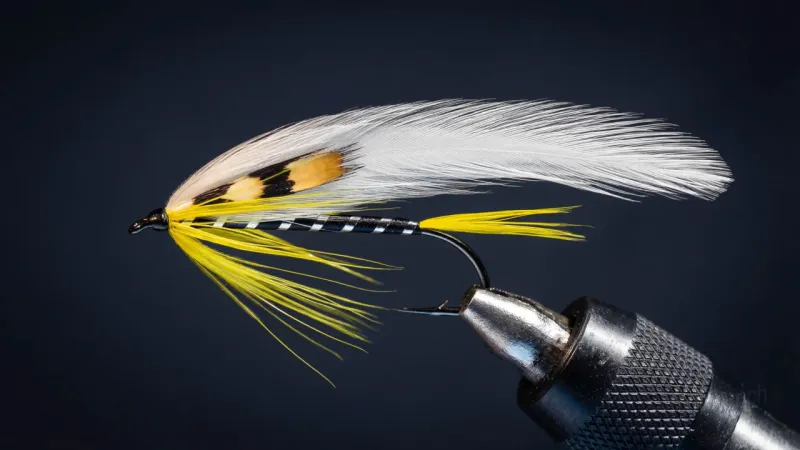
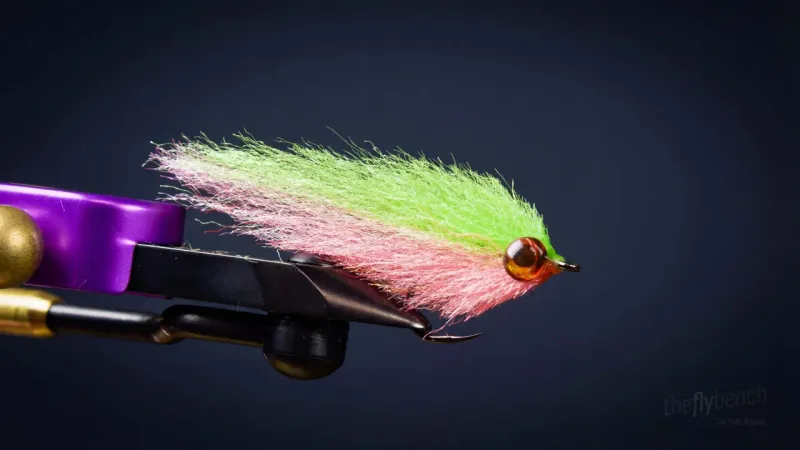
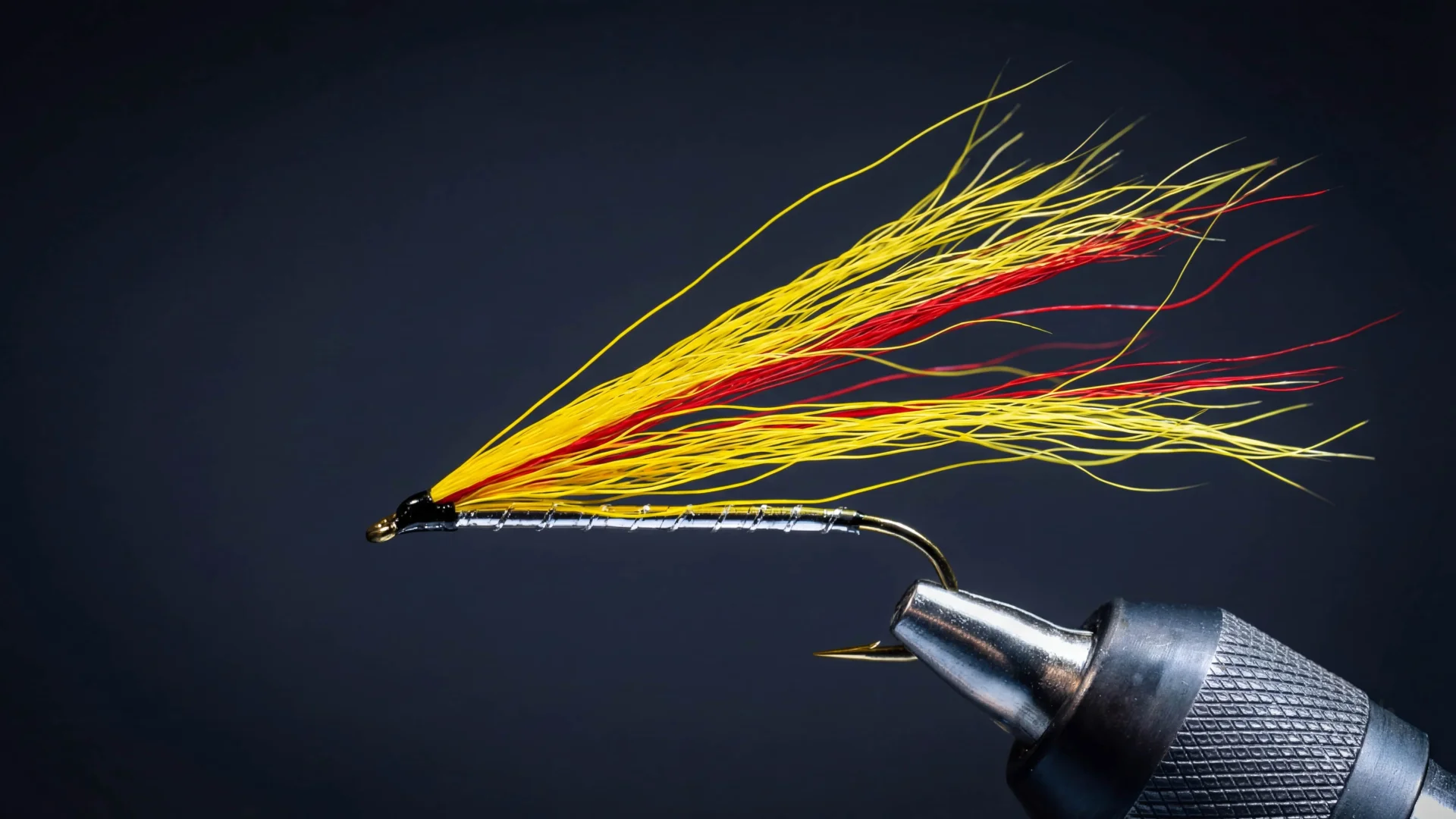
The Mickey Finn is a classic American streamer pattern that dates back to the 1930s. This attractor pattern features a distinctive red and yellow bucktail wing over a silver mylar body ribbed with oval tinsel. Known for its flashy appearance and effectiveness on aggressive fish, the Mickey Finn remains one of the most popular streamer patterns for trout and landlocked salmon.
Year Round
Intermediate
Trout, Bass, Landlocked Salmon
Dec 2025
Overview
This Charlie Craven pattern from Charlie's Fly Box showcases a classic streamer that has stood the test of time. The Mickey Finn was reportedly named after a notorious drink that would "knock you out" - fitting for a fly that knocks fish out! The key to this pattern is getting the proportions right: the silver body should be smooth and reflective, and the wing should be tied in layers with yellow on bottom and red on top to create the signature color combination.
Materials
Hook: Tiemco 300, #4-10
Thread: Veevus 14/0, black
Rib: Oval Tinsel, small, silver
Body: Mylar Tinsel, large, silver
Wing: Bucktail, red and yellow
Head Finish: Solarez Bone Dry Plus
Behavior & Presentation
Natural Behavior: Injured baitfish with exposed scales flash bright signals as they struggle to maintain position, their labored swimming indicating vulnerable prey. The silver-red-yellow combination mimics bleeding or diseased minnows that predators evolved to target.
Where Trout Eat It: Aggressive fish stage near structure and deep pools to ambush flashy baitfish, attacking in channel swings and drop-offs. Transition zones between fast and slow water concentrate fleeing prey.
How to Fish It: Cross-stream swings with occasional strips activate the flashy materials, creating the erratic movement of injured baitfish. Vary retrieve speed to trigger reaction strikes from aggressive predators.
Best Water: Work undercut banks for ambush zones, drop-offs where predators stage, and channel swings that funnel baitfish toward waiting fish.
Strike Type: Violent line acceleration or jarring grabs require immediate firm strip-sets to connect.
Fishing Strategy
Rigging Suggestions: Fish on a 5-7 weight rod with floating or sink-tip line depending on water depth. Use 2X-3X fluorocarbon tippet for abrasion resistance.
Seasonal Timing: effectiveness, but particularly productive in and when fish are actively feeding on baitfish. Select this pattern when targeting aggressive fish that respond to attractor patterns.
Pro Tips: The silver mylar body provides maximum flash while the red and yellow bucktail wing creates a highly visible profile that fish can see from a distance. The bright colors make this an excellent low-light pattern.
Entomology
Baitfish schools contain injured or diseased individuals that lag behind the group, their bright flanks catching light as they struggle to maintain position in the current. Predatory fish evolved to target these stragglers because the flash of exposed scales combined with labored swimming indicates prey that cannot mount effective escape maneuvers.
- Organism Type
- baitfish
- Life Stage
- general