StreamersWoolly Worm
A classic pattern that can be tied in a variety of colors to imitate a wide range of aquatic and terrestrial insects. It's a great choice for beginners learning to tie their own flies.
Year Round
Beginner
Trout, Bass
Apr 2025
Overview
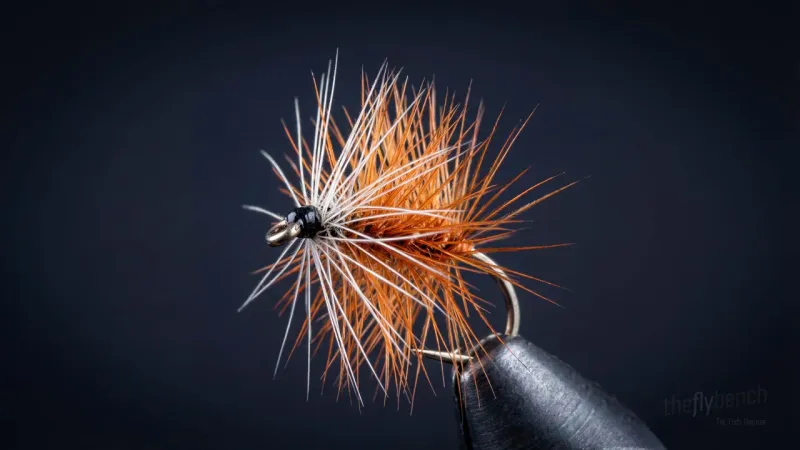
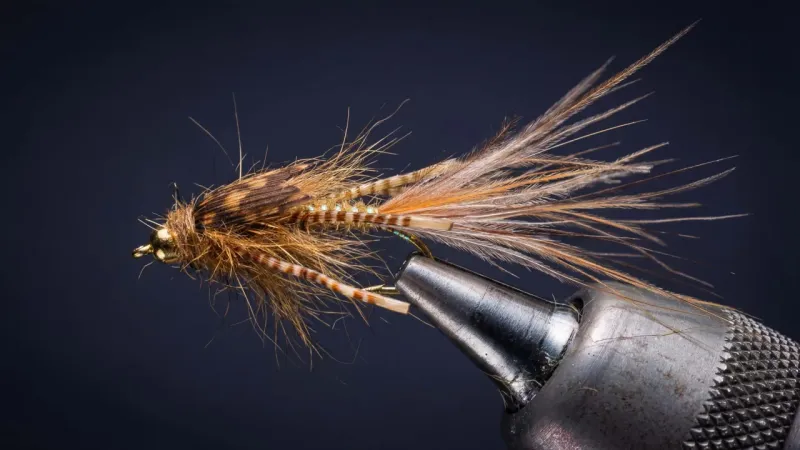
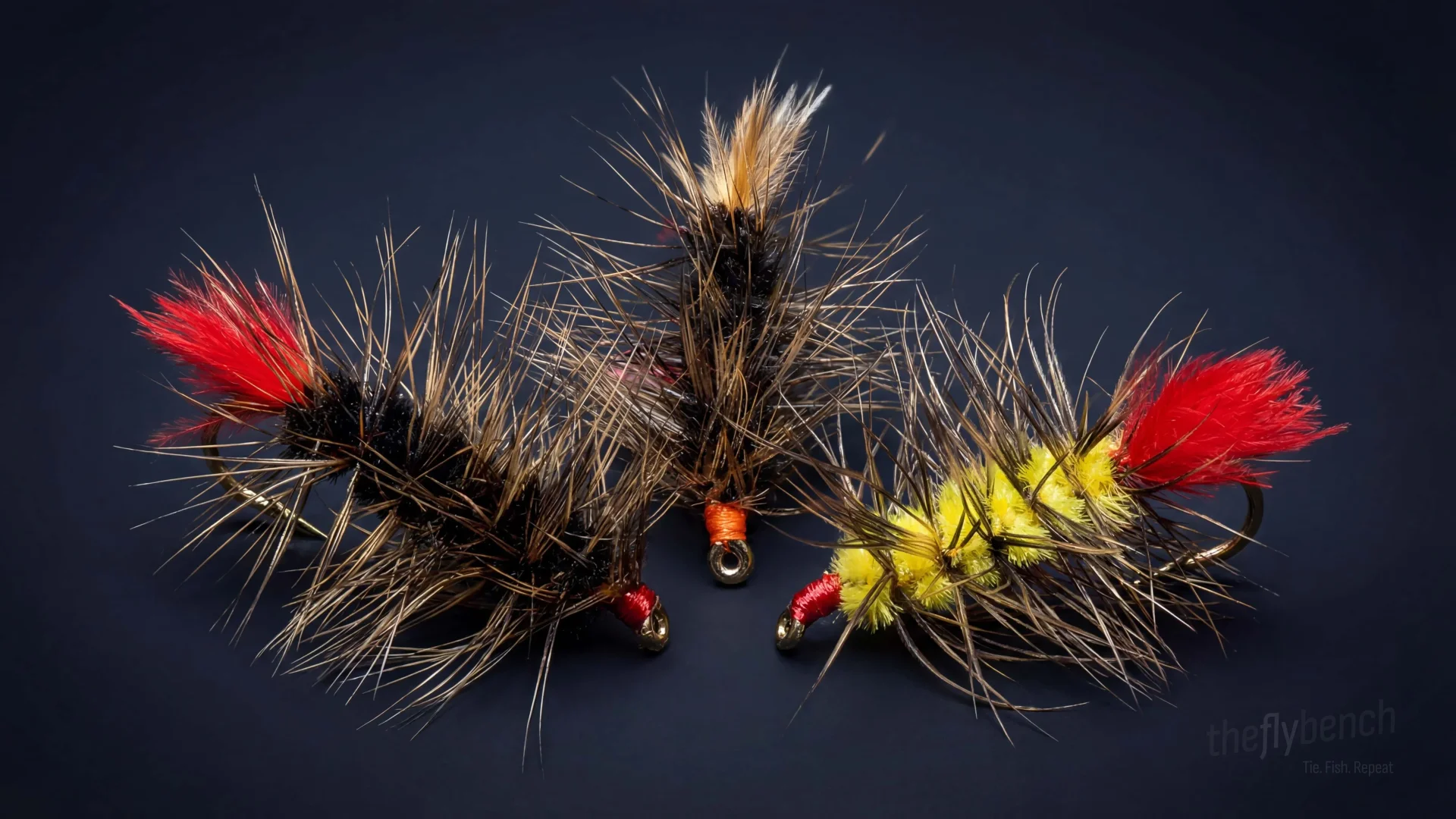
The Woolly Worm is a classic, simple nymph or attractor pattern that uses chenille for the body and palmered hackle from head to tail for movement and profile. It's typically tied with or without a red yarn tail and can be weighted with lead wraps. The pattern is straightforward to tie and adaptable in various colors and sizes, making it a great confidence fly for new tiers and a versatile choice for many freshwater species.
Where to Buy This Fly
We only link to fly shops we trust. Some links are referral links, which may earn us a commission at no extra cost to you.
Materials
- Hook:
- 3X-long streamer hook (here, a Lightning Strike SN3), sizes 10-14
- Weight:
- Lead-free wire, .015
- Thread:
- Black, 8/0 or 70-denier
- Tail:
- Red Angora rabbit yarn
- Body:
- Black Ultra Chenille, micro
- Hackle:
- Grizzly saddle hackle
Behavior & Presentation
Natural Behavior: Baitfish move erratically when threatened, fleeing in bursts followed by pauses. Predatory fish trigger on this wounded or panicked behavior.
Where Trout Eat It: This pattern works well in both moving and still water.
How to Fish It: The Wooly Worm can be swung across current, stripped in still water, or even dead-drifted under an indicator. The erratic motion triggers predatory instincts.
Best Water: Work undercut banks, weed edges, and drop-offs where predators ambush prey. Shelves and current breaks provide holding structure.
Strike Type: Expect jarring grabs where the line goes tight. Strip-set immediately when you feel weight or see the line accelerate.
Fishing Strategy
Rigging Suggestions: The Wooly Worm can be fished alone, or as part of a multi-fly setup. It can be fished on a floating line, or with a sink tip for deeper water.
Seasonal Timing: Effective during active feeding periods throughout the season. Fish morning and evening for best results.
Pro Tips: The Wooly Worm sinks slowly, allowing it to be fished at a variety of depths. The high-visibility chenille body makes it easy to see in a variety of conditions.
Entomology
This pattern represents various caterpillar-like organisms that either fall into the water from overhanging vegetation or crawl actively along the substrate, creating irregular swimming or tumbling motions in the current. Trout eat these meaty terrestrial larvae opportunistically because they deliver exceptional caloric value and appear frequently during summer months when windstorms dislodge them from trees.
- Organism Type
- terrestrial
- Life Stage
- general