Overview
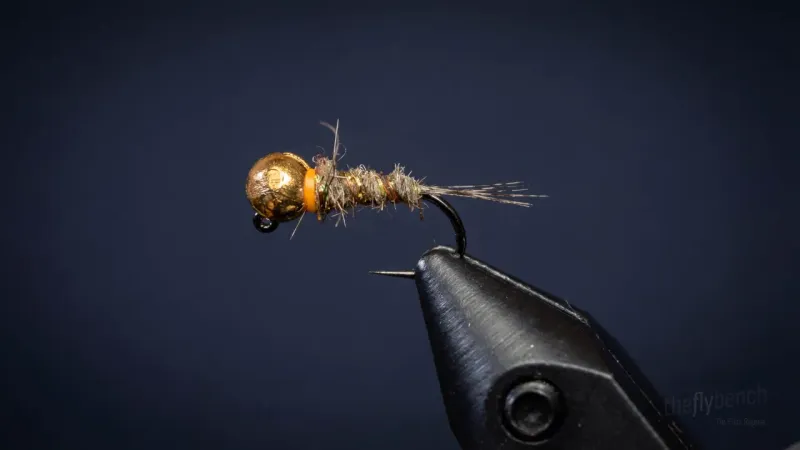
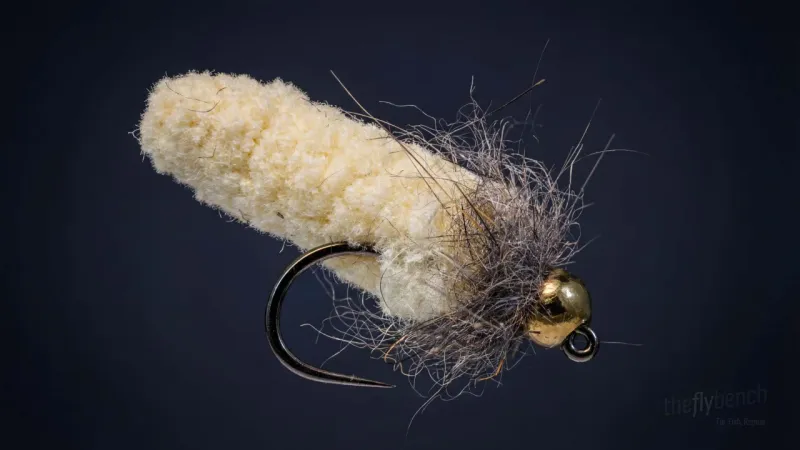
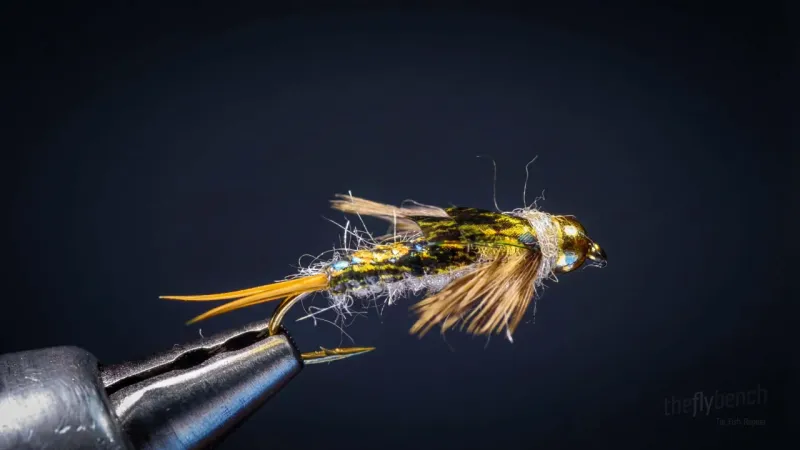
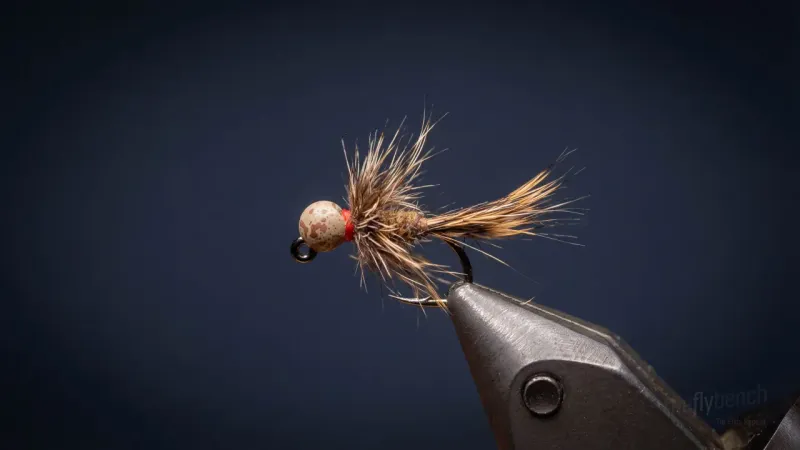
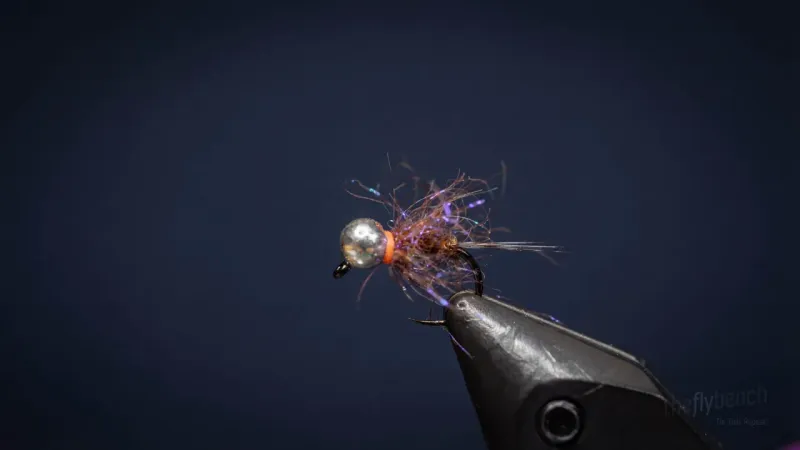
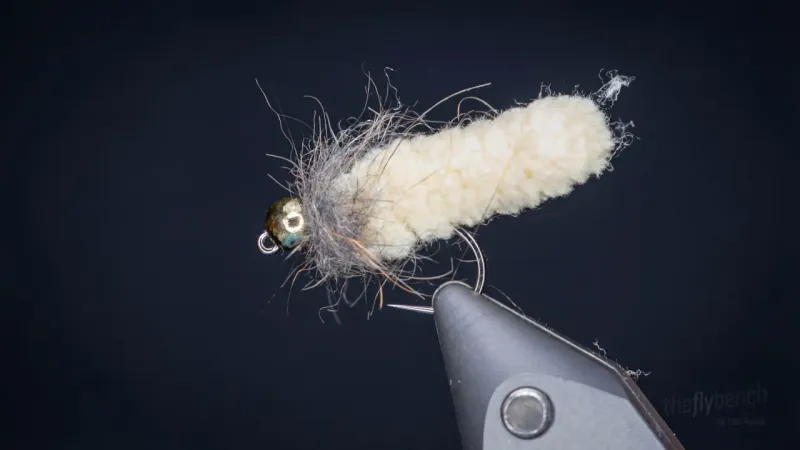
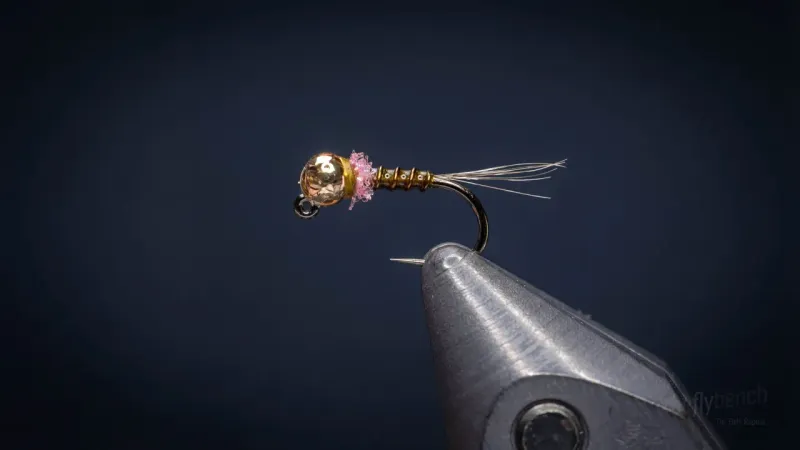
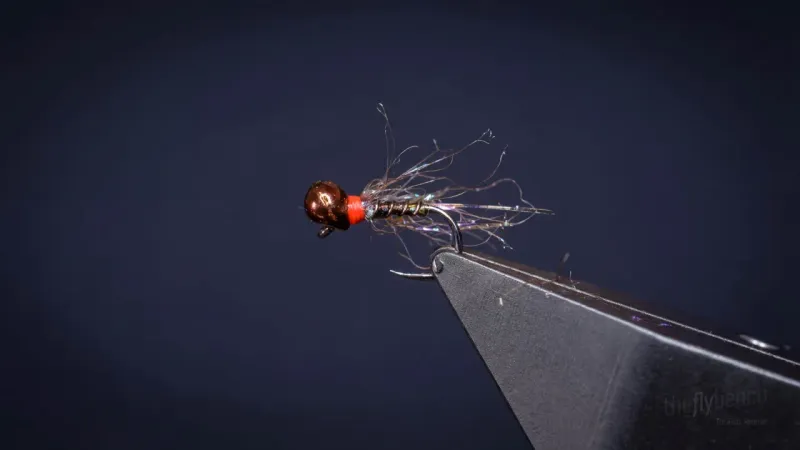
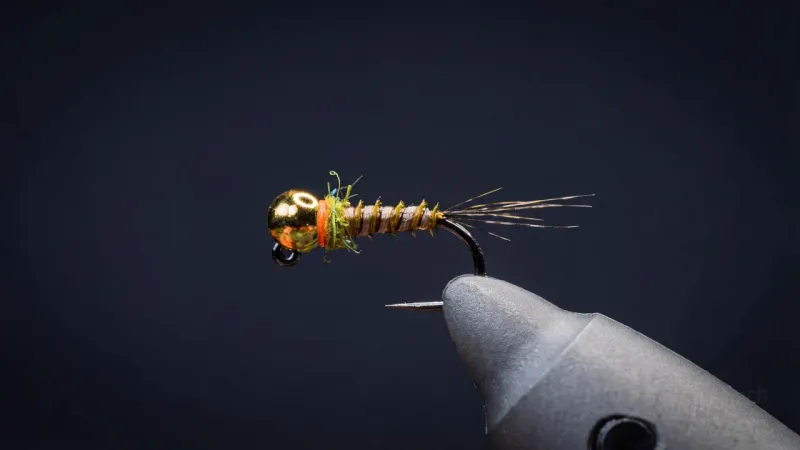
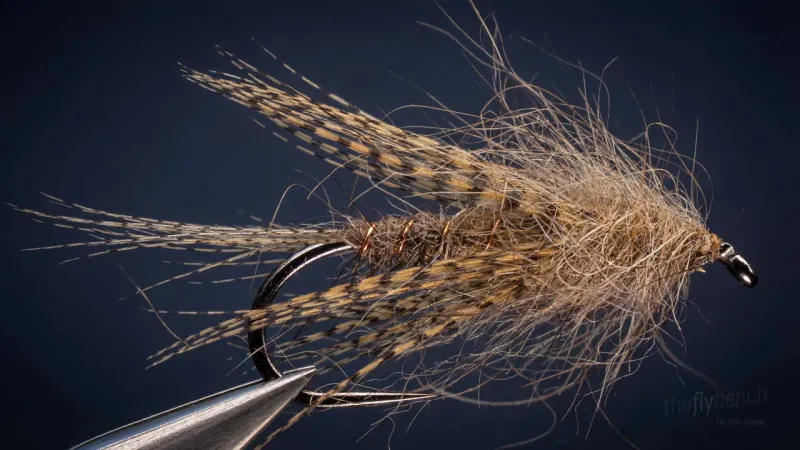
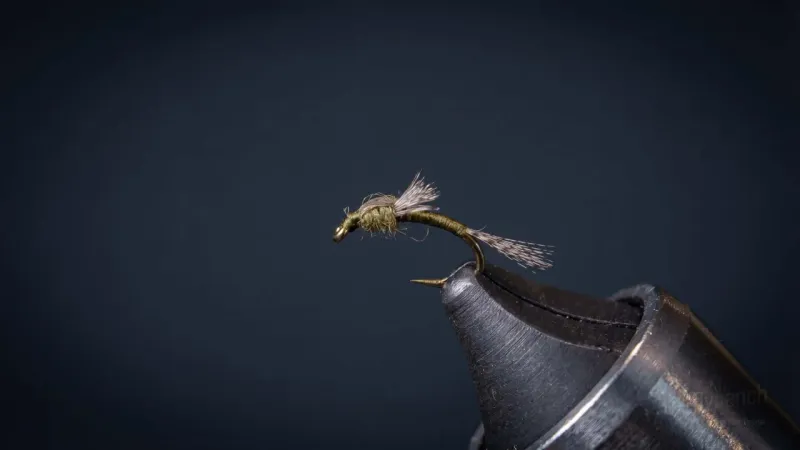
Developed by Fly Fish Food for euro nymphing applications where maximum weight and quick sink rate are essential. The hare's mask dubbing provides superior bugginess compared to standard hare's ear dubbing, with longer guard hairs that pulse in the current. Pick out the collar thoroughly after tying to maximize movement. Can be tied in multiple colors by substituting different dubbing shades while maintaining the natural hare's mask collar for texture.
Related patterns
Behavior & presentation
- Natural Behavior
- Case-building caddis larvae extend soft bodies from protective cases to add material, becoming vulnerable during behavioral drift events.
- Where Trout Eat It
- Fish hold near bottom in feeding lanes 4-6 feet deep, intercepting larvae tumbling through pocket water and channel swings.
- How to Fish It
- Dead drift with euro contact. Large tungsten bead cuts through swift current, reaching feeding depth rapidly in deep water.
- Best Water
- Focus on pocket water with depth, seams along fast current, and channel swings where larvae concentrate in drift.
- Strike Type
- Tick or sudden stop. Heavy bead provides excellent contact for detecting takes at depth on tight line.
Fishing strategy
- Rigging Suggestions
- Fish on 9-12 foot leader with 4X-5X fluorocarbon tippet for optimal turnover and presentation. Typically used as the point fly in a euro nymphing rig with lighter pattern as dropper 12-18 inches above.
- Seasonal Timing
- , particularly productive during spring mayfly emergences (March-May) and fall feeding periods (September-November). Works well in cold water conditions when trout hold deep in winter months.
- Pro Tips
- Sinks very fast due to large 4.0mm tungsten bead, reaching depths of 4-6 feet rapidly. The natural tan coloring blends with stream bottom while the gold bead and ribbing provide subtle attraction without spooking fish.
Entomology
Case-building caddis larvae incorporate materials specific to their habitat—mineral particles in faster water, organic debris in slow pools—creating species-specific architectural signatures. Larvae must periodically add new material to growing cases, requiring them to extend vulnerable soft abdomens into open water, and during behavioral drift events entire populations may release simultaneously, overwhelming trout feeding capacity and creating selective feeding frenzies.
- Order
- Trichoptera
- Common name
- Caddisfly
- Organism
- insect
- Life stage
- nymph
Pattern details
- Moving Water
- Europe
- tight-line-nymph
- competition
- dead-drift
- baetis-hatch
- caddis-hatch
- beginner-friendly
- searching-pattern
- high-water
- freestone