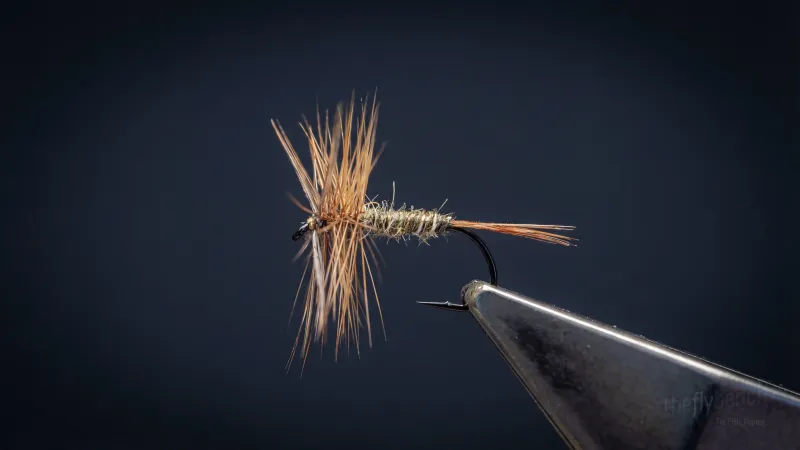
Dry FliesShade
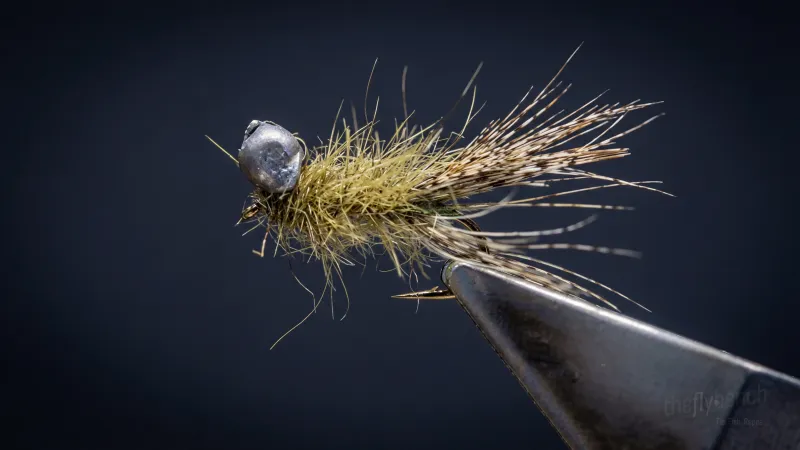
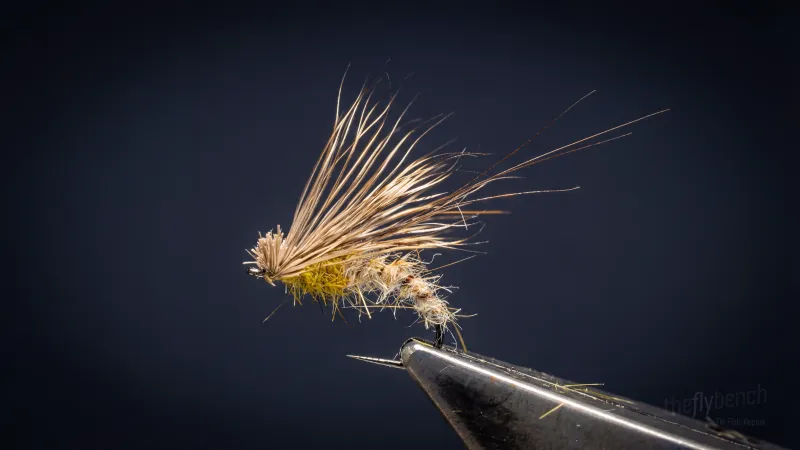
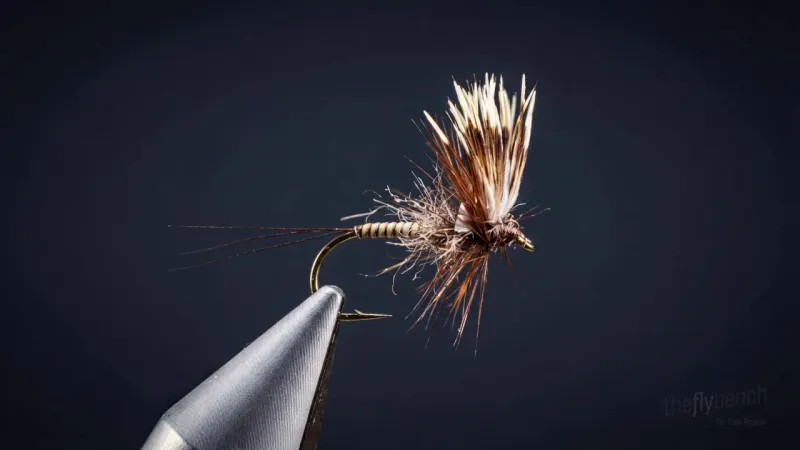
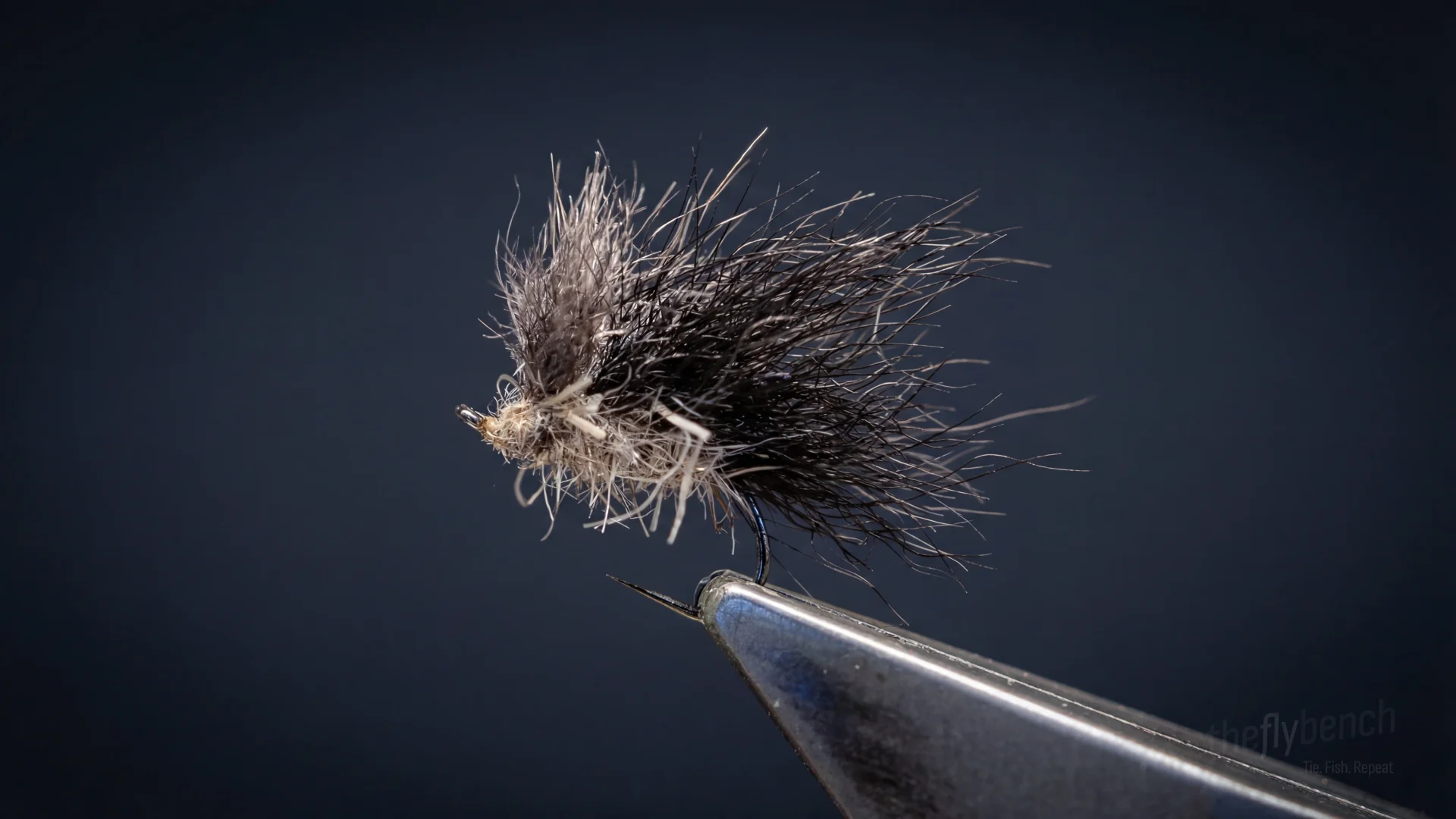
A snowshoe hare take on the old Hedgehog dry fly design, Shade uses dark brown snowshoe hare for both the tail and a full wing of two or three bunches, with an olive dubbing brush blended from natural and synthetic fibers, plus a touch of deer hair, forming the body and head.
Spring, Summer, Fall
Intermediate
Trout
Feb 2026
Overview
Hans Weilenmann built Shade as a variation on the Hedgehog pattern, substituting buoyant snowshoe hare for the original's more traditional wing material to keep the fly floating through repeated drifts. The dubbing brush body mixes natural and synthetic fibers with a small amount of deer hair for extra flotation and a slightly rough, buggy texture. It suits calmer water and shaded bank pockets where trout have time to study a lower-riding, natural-looking dry during mixed mayfly and caddis activity.
Where to Buy This Fly
We only link to fly shops we trust. Some links are referral links, which may earn us a commission at no extra cost to you.
Materials
- Hook:
- Grip 147323BL #14
- Thread:
- Benecchi 12/0, black
- Tail:
- Snowshoe hare, dyed dark brown
- Body/head:
- Dubbing brush, olive - mix of natural, synthetic and small quantity of deer hair (or dubbing of your choice)
- Wing:
- Snowshoe hare, dyed dark brown - two or three bunches, depending on shank length
Behavior & Presentation
Natural Behavior: Fish hold tight to shaded banks where insects drop from overhanging brush throughout the day. Anglers work dark patterns along protected lies because fish ambush prey in confined spaces with limited escape routes.
Where Trout Eat It: Fish intercept resting and fallen caddis at the surface in shaded streams, forested creek runs, protected banks, and near weed beds in lakes.
How to Fish It: Dead drift with drag-free presentation. The darker coloration excels in overcast conditions and shaded water where subtle patterns avoid spooking wary fish.
Best Water: Focus on shaded runs, heavily forested stream sections, undercut banks, protected pockets, and structure near weed beds in low-light zones.
Strike Type: Watch for visible rises, ranging from subtle sips in calm water to splashy eats in broken current.
Fishing Strategy
Rigging Suggestions: Use a 9-12 foot leader tapered to 4X-5X tippet (5-6 pound test). Apply quality floatant to maintain surface presentation. The darker profile requires good lighting for the angler to track the fly.
Seasonal Timing: Most productive from April through October with peak effectiveness during mayfly emergences in May through July and caddis activity from June through September. Fish during morning and evening when insect activity and trout feeding are most intense.
Pro Tips: The subdued coloration excels on pressured fish that refuse brighter attractor patterns. Sizes 12-16 cover most situations. Consider adding a small bright indicator material at the wing post to help track the fly in low light while maintaining the dark body profile that fish see from below.
Entomology
Caddis seek shaded areas along stream banks where they rest between egg-laying runs, occasionally falling from vegetation into protected pockets. Fish holding in these low-light zones ambush the vulnerable insects in confined spaces where escape routes are limited.
- Order
- Trichoptera
- Common Name
- Caddisfly
- Organism Type
- insect
- Life Stage
- adult