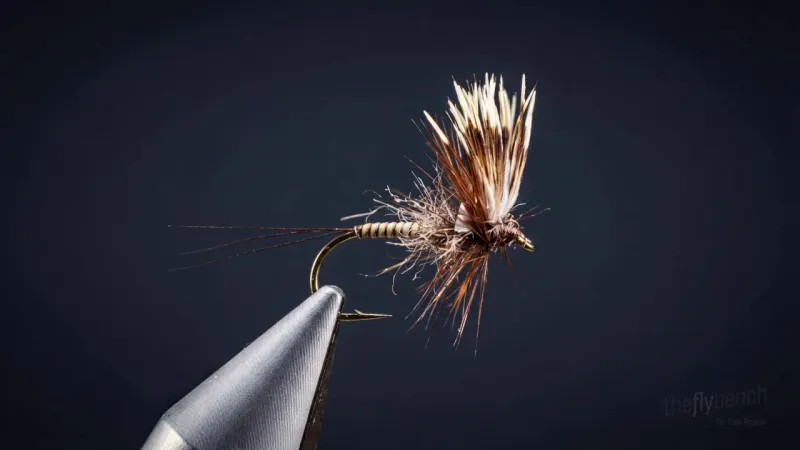
Dry FliesRoyal Coachman
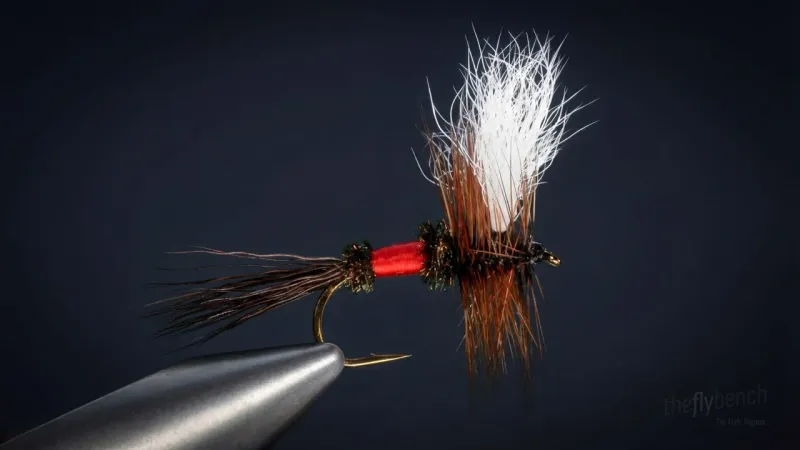
The Royal Coachman is an iconic dry fly pattern that's been used by fishermen for over a century. Its bright colors and distinctive pattern can be effective at attracting a variety of trout species. It can imitate a wide range of insects, from mayflies to caddisflies, making it a versatile fly to have in your box.
Spring, Summer, Fall
Advanced
Trout
Apr 2025
Overview
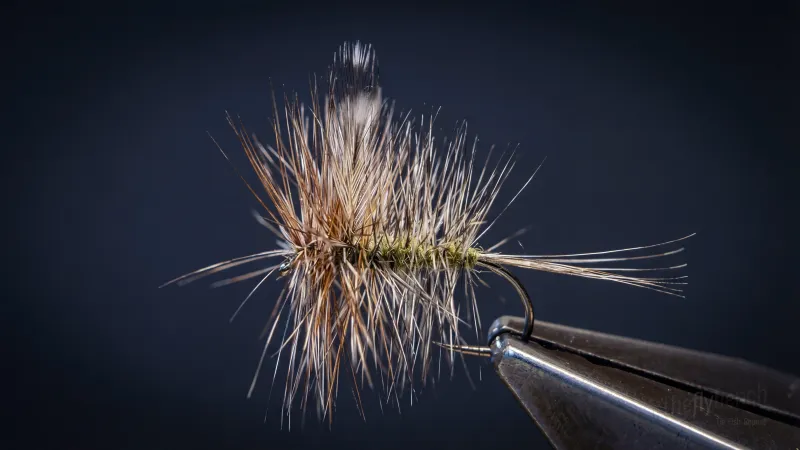
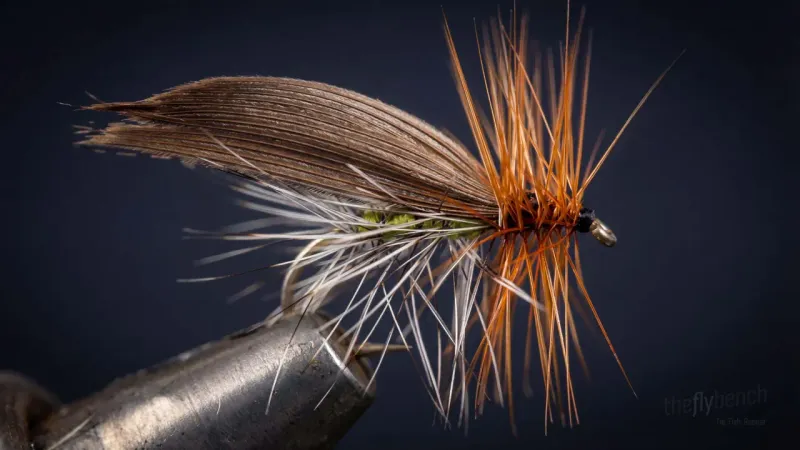
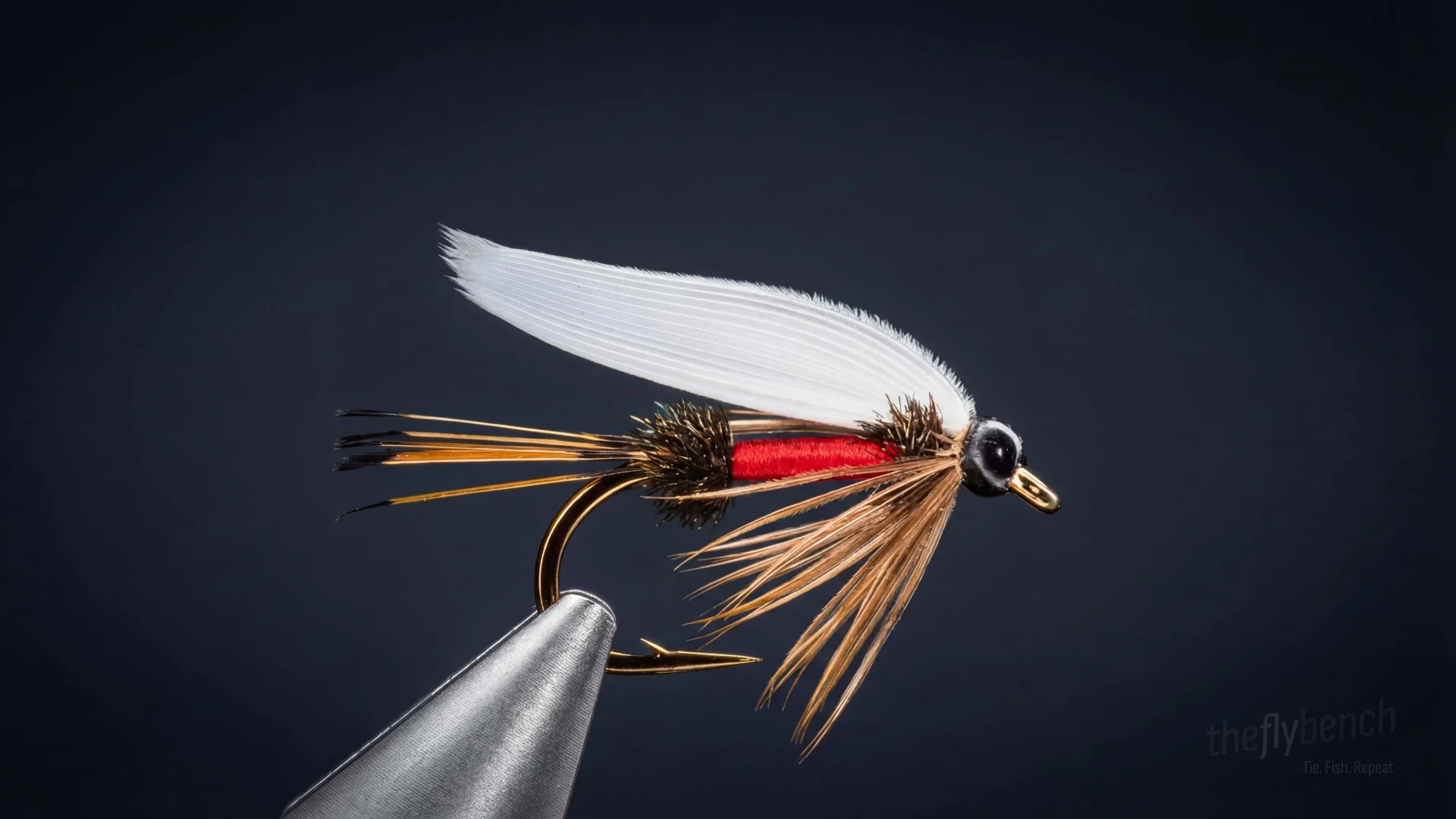
A historic attractor dry fly tied with a red floss waist, peacock herl fore and aft, white calf tail wings, and brown hackle. Traditional and flashy, it's a beautiful pattern requiring attention to symmetry and clean wing setting. Often fished in fast-moving streams.
Where to Buy This Fly
We only link to fly shops we trust. Some links are referral links, which may earn us a commission at no extra cost to you.
Materials
- Hook:
- Mustad R70 #10–14
- Tying thread:
- Sheer 14/0, black
- Tail:
- Golden pheasant tippet
- Body:
- Peacock herl and red floss
- Hackle:
- Brown hen hackle
- Wing:
- White duck quill slips
- Head:
- Black
Behavior & Presentation
Natural Behavior: Adult caddisflies skitter erratically across surface tension during egg-laying runs, creating distinctive V-wakes that telegraph their presence. The surface commotion during evening hours triggers aggressive feeding responses focused on movement patterns rather than exact imitation.
Where Trout Eat It: Fish hold in freestone pocket water and moderate-speed runs 1-4 feet deep where high-contrast triggers quick strikes in broken water.
How to Fish It: Dead drift with drag-free float through pocket water, or skate and twitch to create surface disturbance. Effective as lead fly in dry-dropper rigs.
Best Water: Tiny pockets behind boulders, small back eddies along banks, and classic freestone pocket water over rocky substrate.
Strike Type: The high-contrast pattern triggers quick reaction rises with fish striking decisively at the red and white. Expect splashy takes in pocket water or confident sips in smoother runs.
Fishing Strategy
Rigging Suggestions: Use 9-foot leaders tapered to 4X or 5X tippet. The robust hackle supports heavier tippet while maintaining flotation. Apply gel floatant to hackle and wing for extended float time.
Seasonal Timing: Most productive from May through October with peak effectiveness during months (June-August) when surface insect activity is highest.
Pro Tips: The high-contrast red and white colors create strong visibility for both angler and fish. White wing makes tracking the fly easy in broken water and low light. Effective as lead fly in dry-dropper rigs due to excellent buoyancy.
Entomology
Adult caddisflies skitter and flutter across the surface tension during egg-laying runs, creating distinctive V-wakes that telegraph their presence to opportunistic trout. The erratic surface commotion triggers aggressive feeding responses, especially during evening hours when caddis activity peaks and fish key on movement patterns rather than exact imitation.
- Order
- Trichoptera
- Common Name
- Caddisfly
- Organism Type
- insect
- Life Stage
- adult