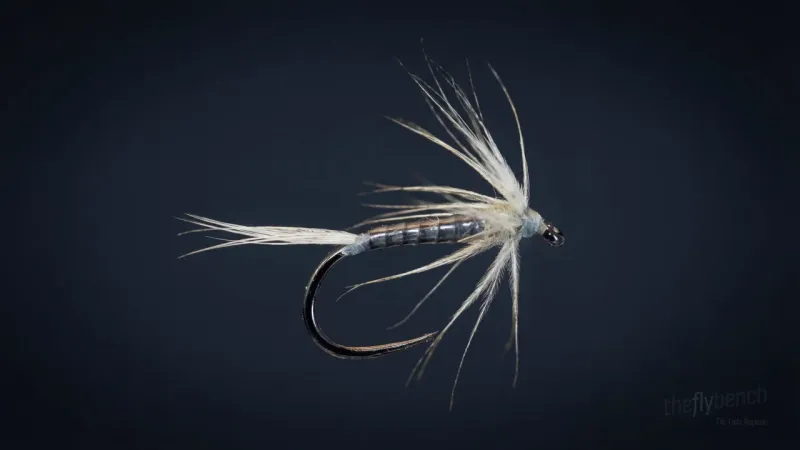
StreamersPlatte River Spider
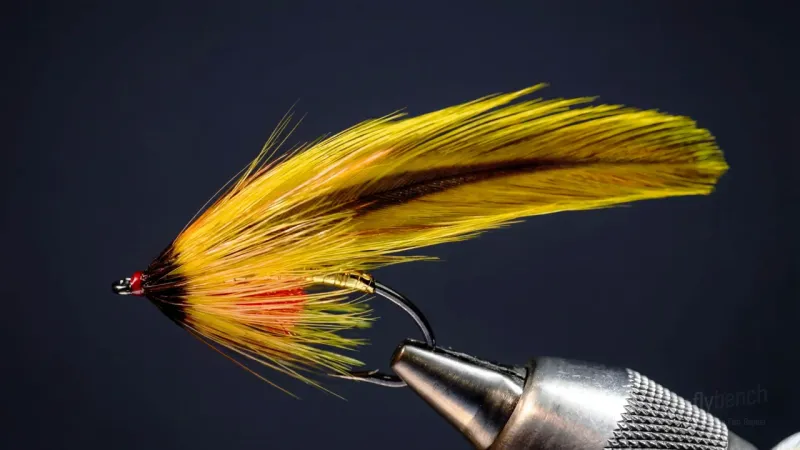
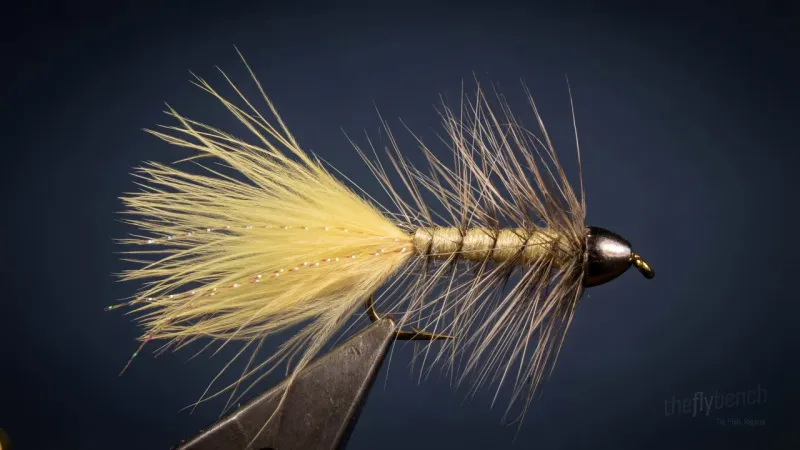
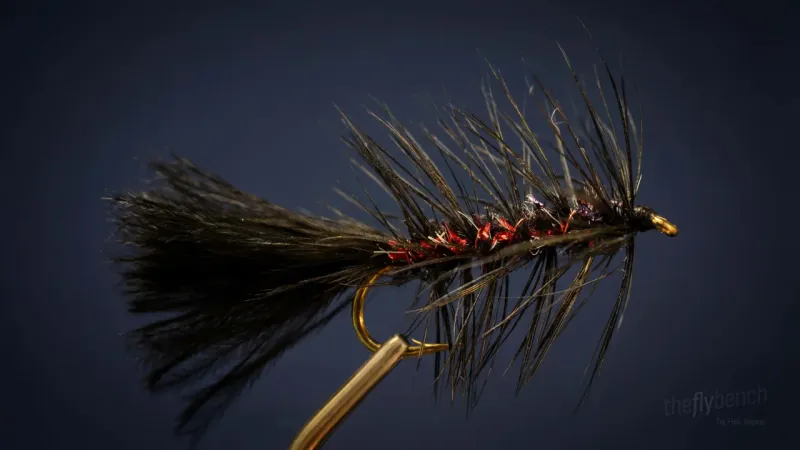
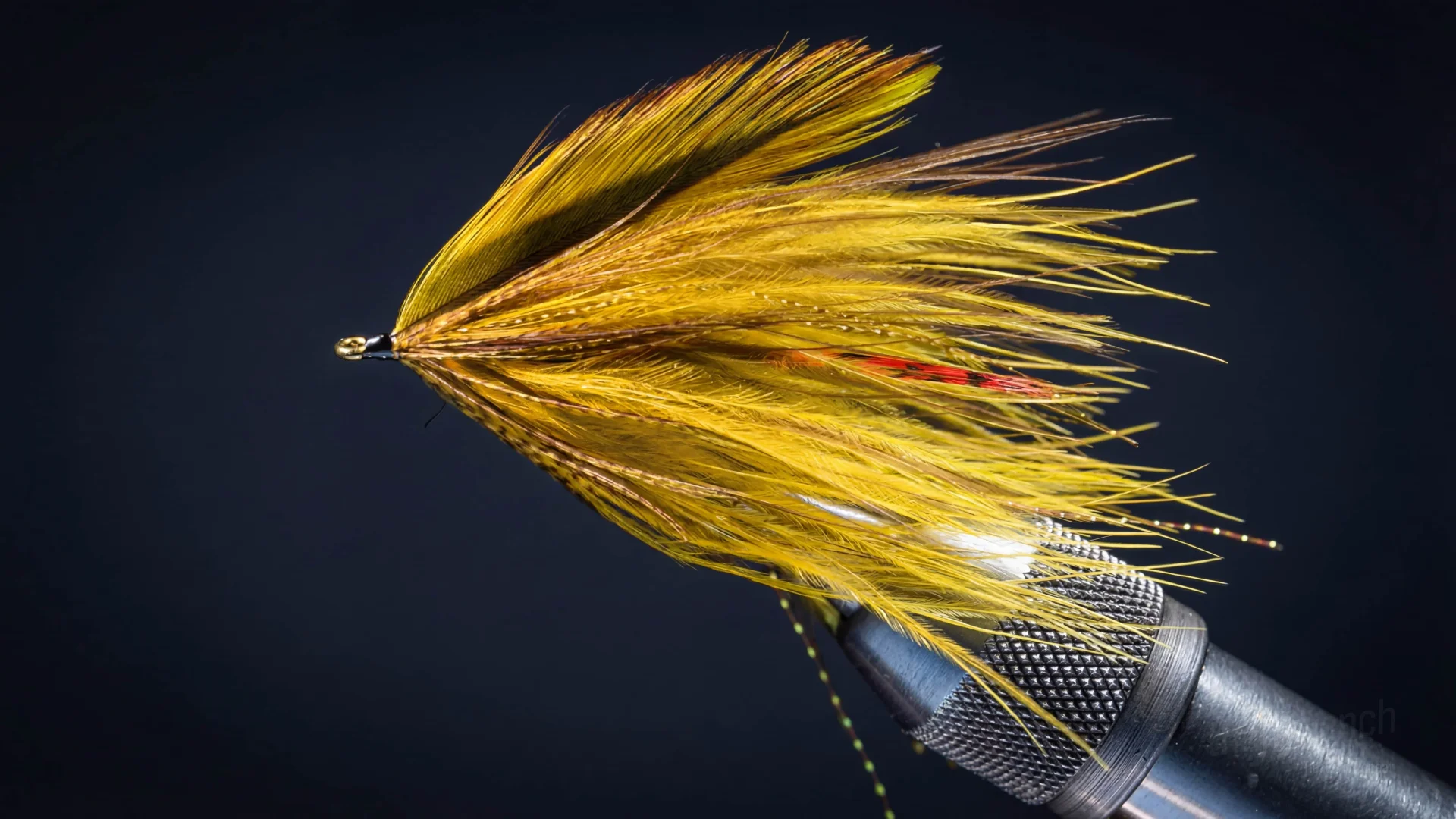
The Platte River Spider is a classic Western soft-hackle streamer designed for the famous South Platte River in Colorado. This pattern combines streamer and soft-hackle elements with a layered marabou body in yellow and brown, a woodduck mallard flank collar for movement, and a hen neck feather wing. The red Amherst pheasant tail hot spot adds a subtle trigger point, while rootbeer Krystal Flash provides flash. The result is a buggy, pulsating fly that suggests a variety of food sources.
Spring, Summer, Fall
Intermediate
Trout
Dec 2025
Overview
This Charlie Craven pattern from Charlie's Fly Box represents a regional classic developed for the diverse waters of Colorado's South Platte River system. The pattern draws on soft-hackle traditions while incorporating streamer elements for a versatile searching pattern. The layered marabou body creates remarkable movement in the water, while the woodduck mallard flank collar adds subtle barring and pulsation. The hen neck feather wing provides a more delicate profile than traditional streamer hackle, making it effective for wary trout in clear water. The red hot spot at the rear adds a trigger point that can provoke strikes from following fish.
Materials
Hook: Tiemco 200R, #4
Thread: Veevus 14/0, black
Hot Spot: Amherst Pheasant Tail, red
Body: Marabou, yellow and brown
Flash: Krystal Flash, rootbeer
Collar: Mallard Flank, woodduck
Wing: Hen Neck Feather, yellow and furnace
Glue: Solarez UV Resin, bone dry plus
Behavior & Presentation
Natural Behavior: Small baitfish tumble and pulse through current seams after being dislodged from structure, their bodies twisting chaotically as they struggle to escape the flow. The sparse marabou body and mallard flank collar create transparent, breathing movement that appears vulnerable and triggers predatory instincts.
Where Trout Eat It: Trout hold in moderate runs (2-4 feet) and respond to swung presentations in the first 18 inches. Fish take aggressively during low-light as sparse marabou creates transparent movement.
How to Fish It: Fish as classic swinging pattern—cast across and allow sparse marabou to pulse through the arc. Use sinking leaders—most effective in top 18 inches tied sparse.
Best Water: Focus on South Platte and Wyoming Platte runs with gravel substrate and tail-outs during low-light.
Strike Type: Swung flies generate aggressive strikes on or just after the swing; feel for the pull or grab and set hard with a strip or lift.
Fishing Strategy
Rigging Suggestions: Fish on a 9-foot leader tapering to 2X-3X tippet. Use a floating line in shallow water or a sink-tip when fishing deeper runs. Consider a two-fly rig with the Spider as the point fly and a smaller nymph dropper.
Seasonal Timing: Most effective during , , and when trout are actively feeding. Particularly productive during periods of high water when fish are looking for larger food items.
Pro Tips: This is a subsurface pattern designed to be fished actively. The yellow and brown marabou provides good visibility while the rootbeer flash adds subtle attraction.
Entomology
Disoriented baitfish tumble through complex currents after being flushed from cover, their bodies twisting and pulsing as they struggle to regain control. Fish attack these struggling prey because the chaotic movement indicates injury or weakness, signaling an opportunity for an effortless meal with minimal risk of the prey escaping.
- Organism Type
- baitfish
- Life Stage
- general