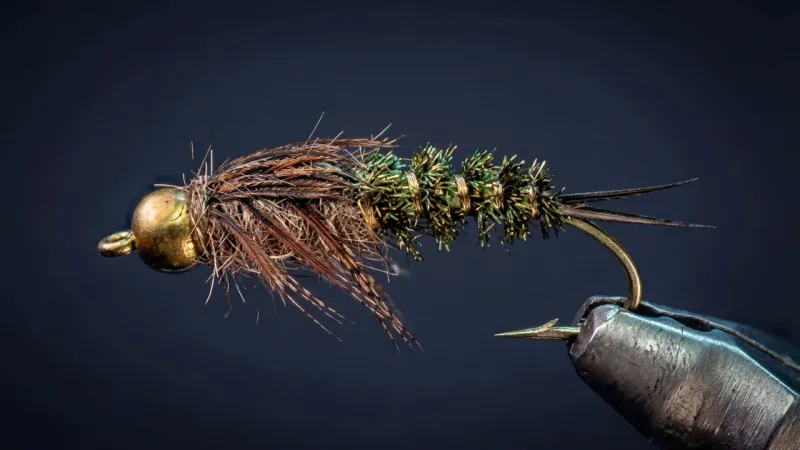
NymphPat's Rubberleg
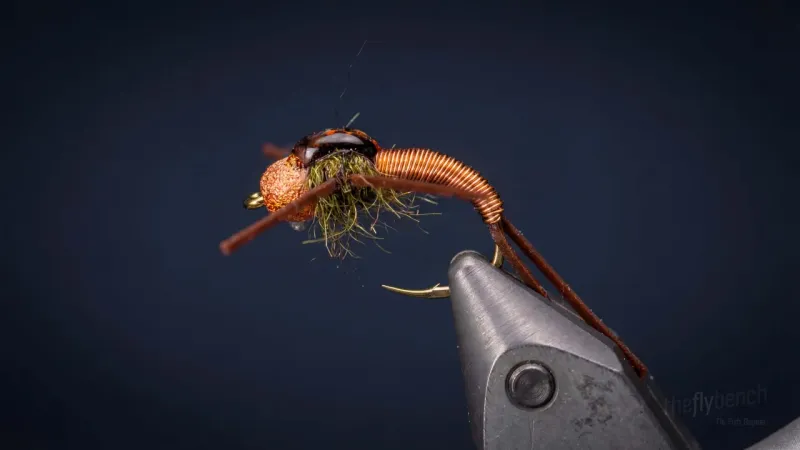
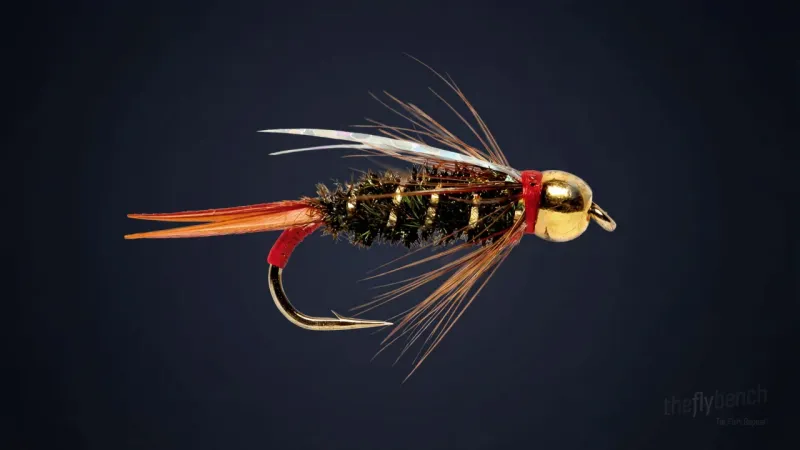
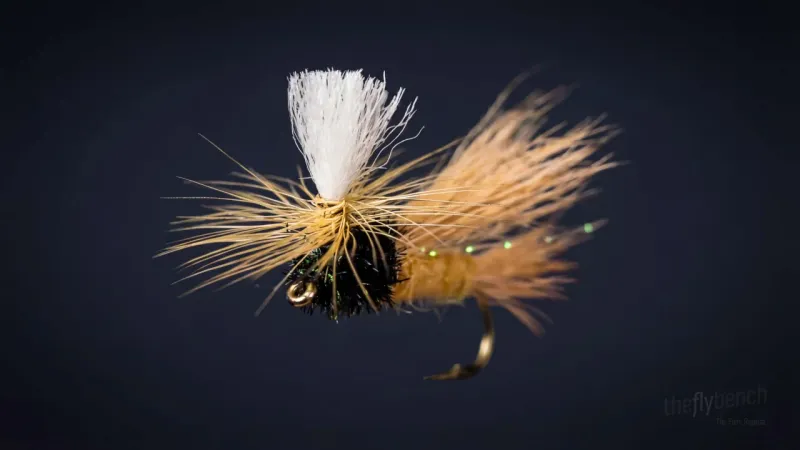
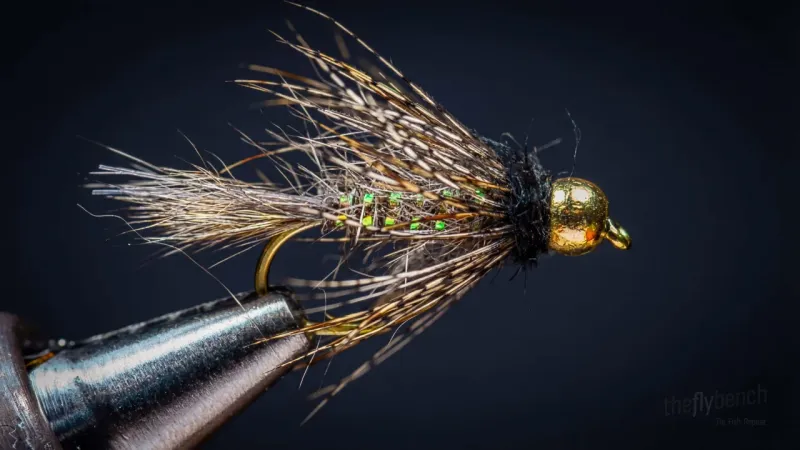
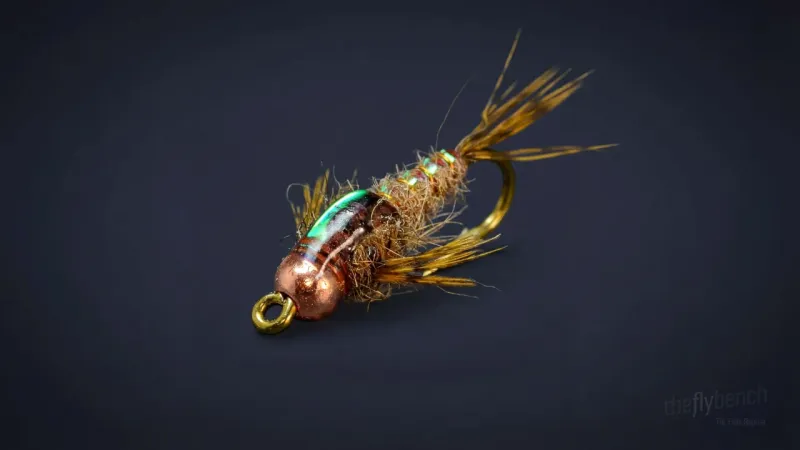
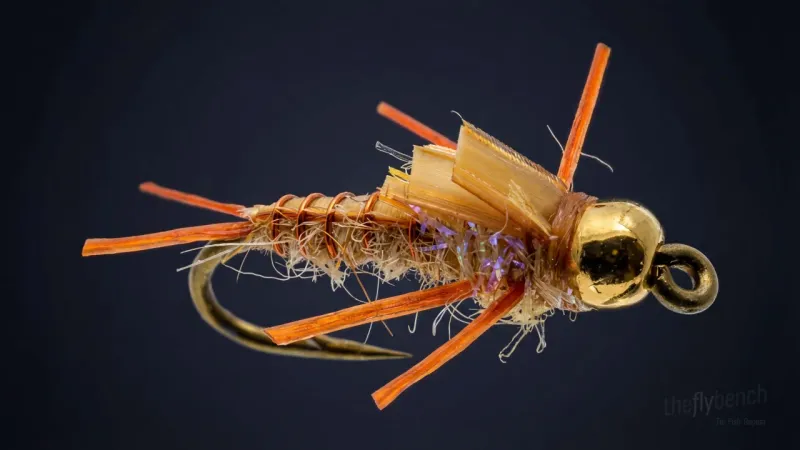
Pat's Rubberleg is a highly effective and popular nymph pattern that imitates a stonefly nymph. The rubber legs give it a lifelike movement in the water which drives fish crazy.
Year Round
Intermediate
Trout
Apr 2025
Overview
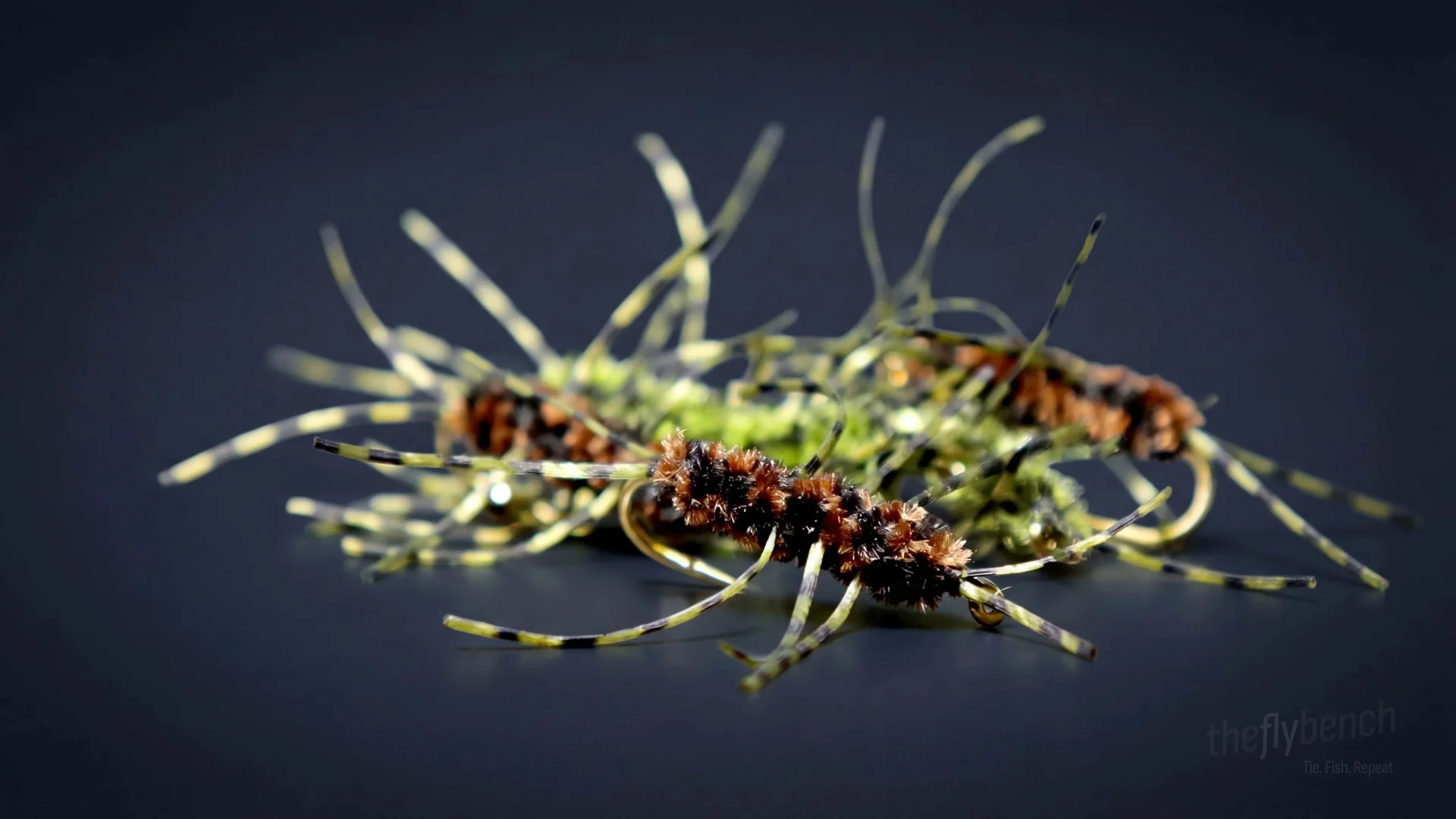
The key to the Pat's Rubberleg Stonefly is the rubber legs. They give the fly a lifelike movement in the water that fish can't resist. The chenille body is another attractive feature, giving the fly a realistic stonefly nymph profile.
Where to Buy This Fly
We only link to fly shops we trust. Some links are referral links, which may earn us a commission at no extra cost to you.
Materials
- Hook:
- Dai-Riki 710, sizes #4-#12
- Weight:
- .015 lead-free wire
- Thread:
- 6/0 or 140 Denier, black
- Tails and antennae:
- Black Spanflex or similar
- Body:
- Variegated Chenille, medium, black-and-coffee
- Legs:
- Black Spanflex or similar
Behavior & Presentation
Natural Behavior: Large stonefly nymphs crawl actively across bottom substrate while foraging, creating substantial movement with their powerful legs and segmented bodies. When dislodged during migration toward emergence sites or by high flows, these meaty nymphs tumble conspicuously along the streambed.
Where Trout Eat It: Trout intercept drifting stonefly nymphs in the lower to mid-water column along runs and pocket water, aggressively targeting the large profile during behavioral drift.
How to Fish It: Dead-drift through feeding zones using indicator or high-stick techniques, occasionally adding movement to imitate active crawling behavior of migrating nymphs.
Best Water: Focus on runs and pocket water with boulder and cobble substrate, targeting current breaks and channel swings where large stoneflies migrate.
Strike Type: Expect hard, aggressive strikes as trout react to the substantial nymph profile.
Fishing Strategy
Rigging Suggestions: Use a weighted leader to get the fly down to the bottom quickly.
Seasonal Timing: Effective during active feeding periods throughout the season. Fish morning and evening for best results.
Pro Tips: The dark colors of the fly provide good visibility in clear water and it is designed to sink quickly to where the fish are feeding.
Entomology
Large stonefly nymphs crawl actively along rocky bottoms, using powerful legs to cling to substrates in heavy currents while hunting smaller invertebrates and scavenging organic material. Their substantial size and meaty profile make them premium forage items for large trout, who track their movements and strike aggressively when these nymphs are swept downstream during high water events.
- Order
- Plecoptera
- Common Name
- Stonefly
- Organism Type
- insect
- Life Stage
- general