StreamersOlive Woolly Bugger
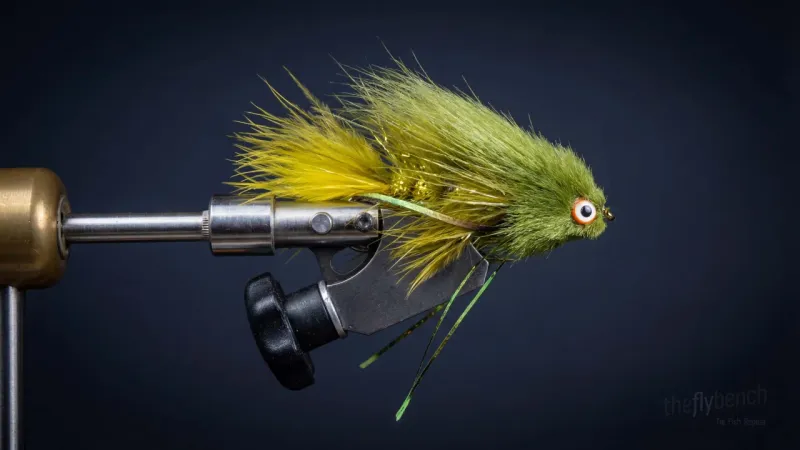
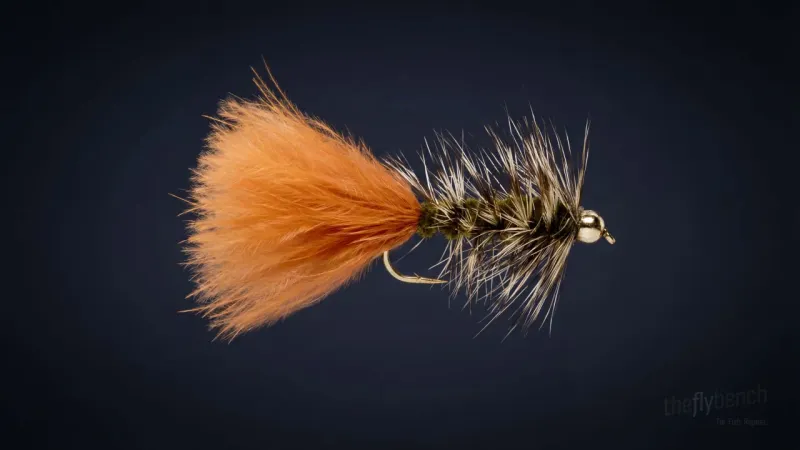
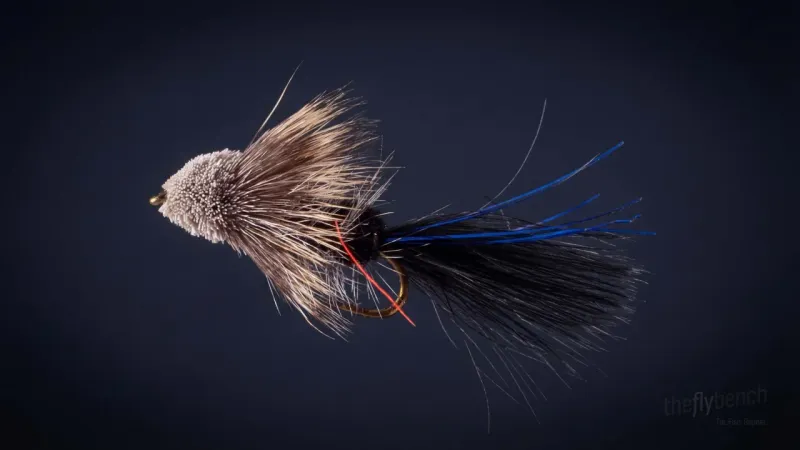
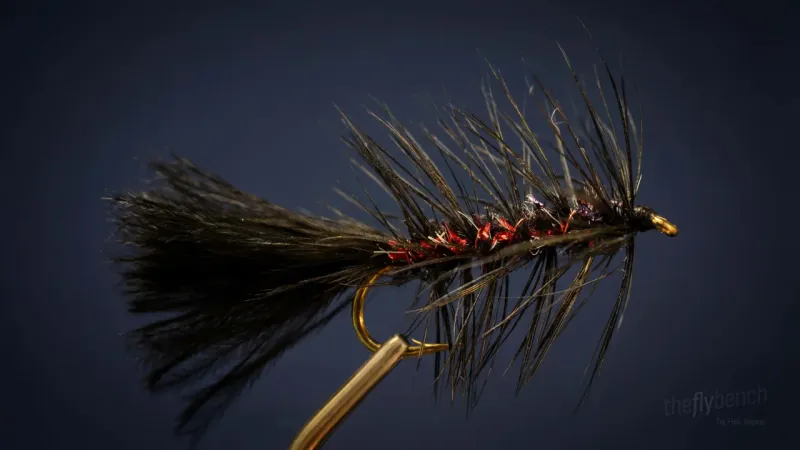
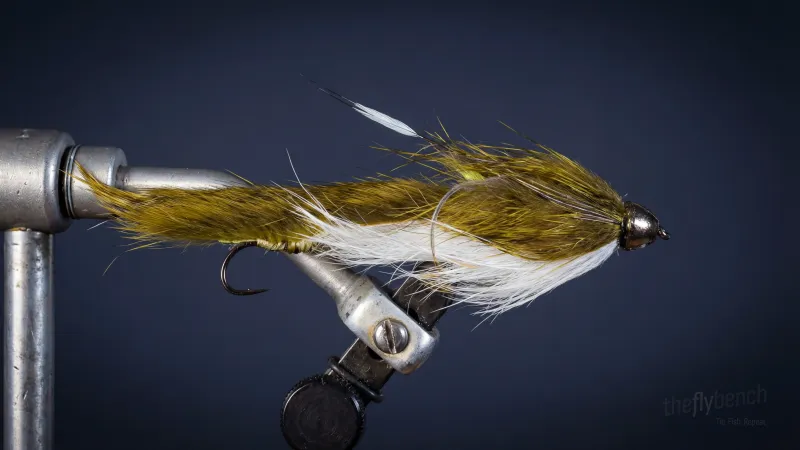
The Olive Woolly Bugger is a versatile streamer pattern that can imitate a wide range of prey, from baitfish to crayfish to leeches. Its marabou tail and hackle body give it a lifelike, undulating movement in the water that can entice strikes from a variety of fish species.
Year Round
Beginner
Trout, Bass
Apr 2025
Overview
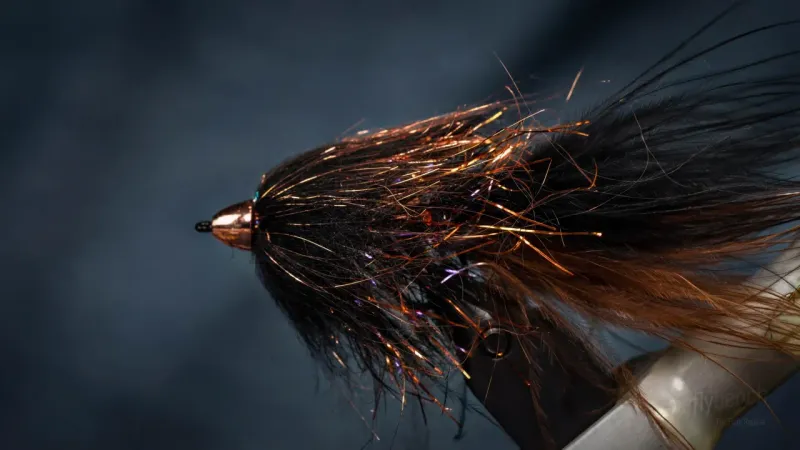
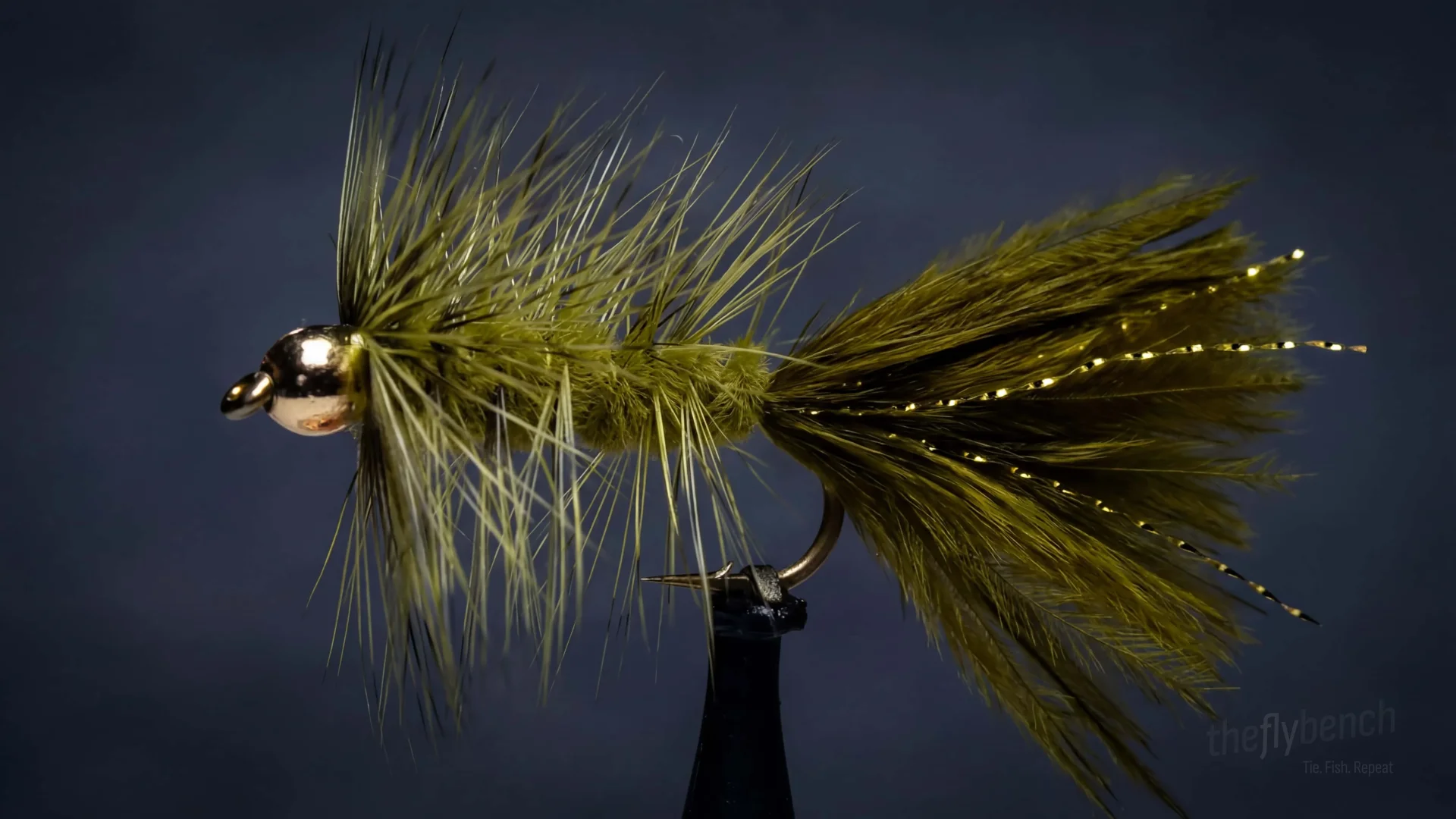
The Olive Woolly Bugger is a versatile streamer pattern tied with a marabou tail, chenille body, and palmered saddle hackle for movement and profile. Olive is a particularly effective color for imitating leeches, baitfish, or damselfly nymphs. Adding a bead head or lead wraps can help it sink, and flash in the tail can increase visibility. It's a go-to fly for both stillwater and moving water, and easy to tie in bulk.
Where to Buy This Fly
We only link to fly shops we trust. Some links are referral links, which may earn us a commission at no extra cost to you.
Materials
- Hook:
- 4X-long streamer hook (here a Dai-Riki 700), size #2-#12
- Bead:
- Gold, 5/32-inch
- Thread:
- 6/0 or 140 Denier, brown olive
- Weight:
- Lead-free wire, .02
- Tail:
- Olive marabou blood quill, tips removed
- Body:
- Olive chenille
- Hackle:
- Olive grizzly
Behavior & Presentation
Natural Behavior: From a fishing perspective, leeches swim in short bursts then pause, clinging briefly to vegetation before resuming their undulating journey across muddy flats and weed beds. Their stop-start swimming pattern exposes them as vulnerable prey during transitions between cover.
Where Trout Eat It: Target depths of 3-8 feet near weed edges, drop-offs, and undercut structure in lakes and slow runs where leeches migrate between resting spots.
How to Fish It: Strip in 4-6 inch pulls with 2-3 second pauses, allowing the fly to sink between retrieves to replicate natural swimming rhythms.
Best Water: Work weed edges, drop-offs, undercut banks, and channel swings where predatory fish intercept migrating leeches along structure transitions.
Strike Type: Feel for a steady pull or sudden stop during the pause; respond with a firm strip-set when the fish has fully committed.
Fishing Strategy
Rigging Suggestions: Can be fished alone or as part of a multi-fly rig. A sinking or sink-tip line can get the fly deeper.
Seasonal Timing: Effective during peak feeding periods when water temperatures and conditions support active feeding behavior.
Pro Tips: This fly sinks and is intended to be fished subsurface. The bead head and dark color make it highly visible in a variety of water conditions.
Entomology
Leeches elongate and contract their bodies while swimming, creating rhythmic pulsing motions as they navigate through vegetation and along muddy bottoms. They rest frequently between swimming bursts, clinging to submerged plants or lying on substrate surfaces. Fish hunt them because their slow, predictable movements make them easy to track and intercept, and they're particularly vulnerable when transitioning between resting spots in stillwater habitats.
- Organism Type
- baitfish
- Life Stage
- general