

Overview
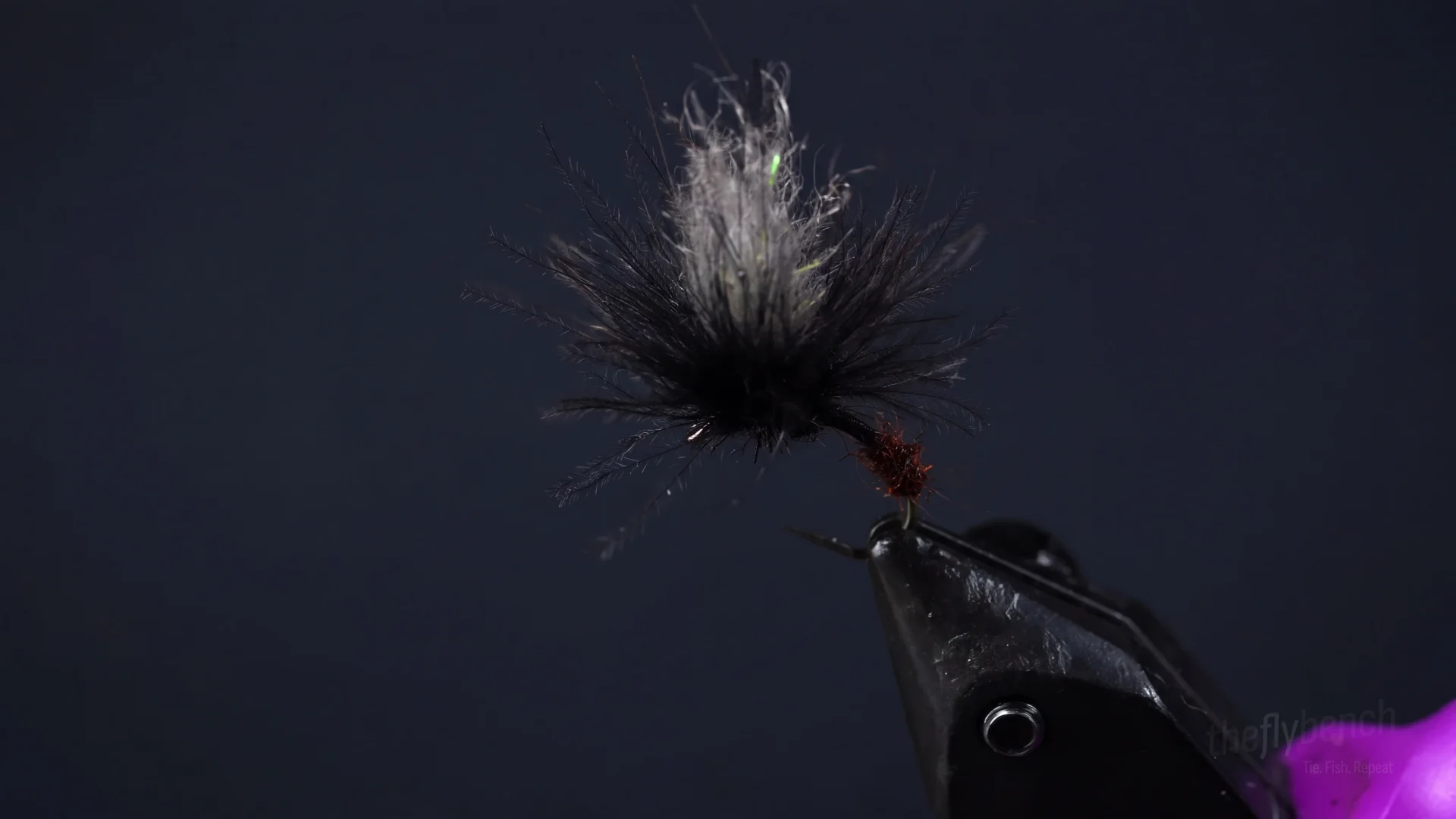
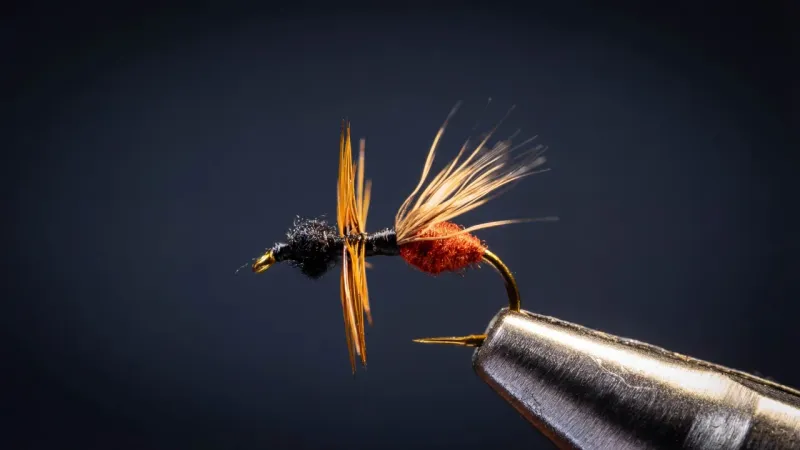
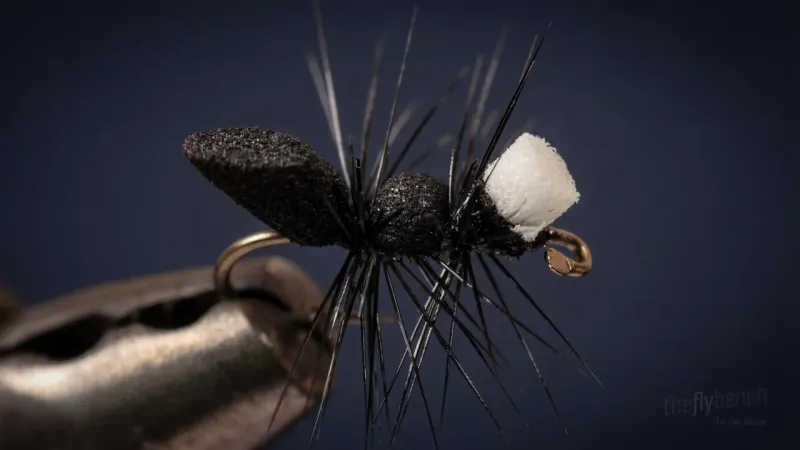
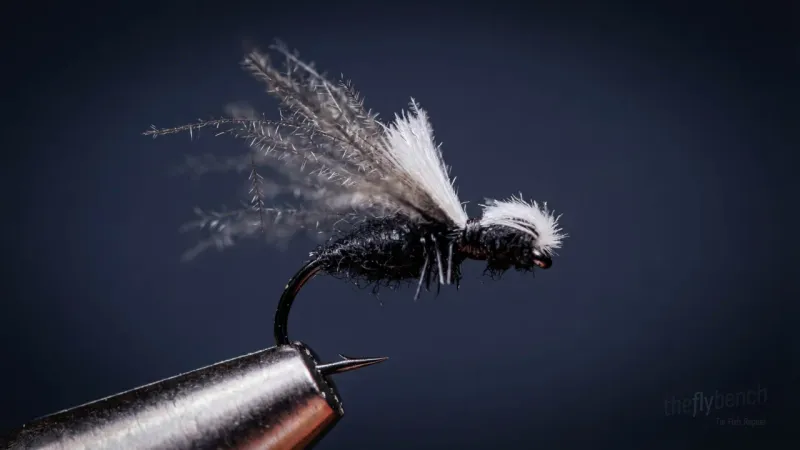
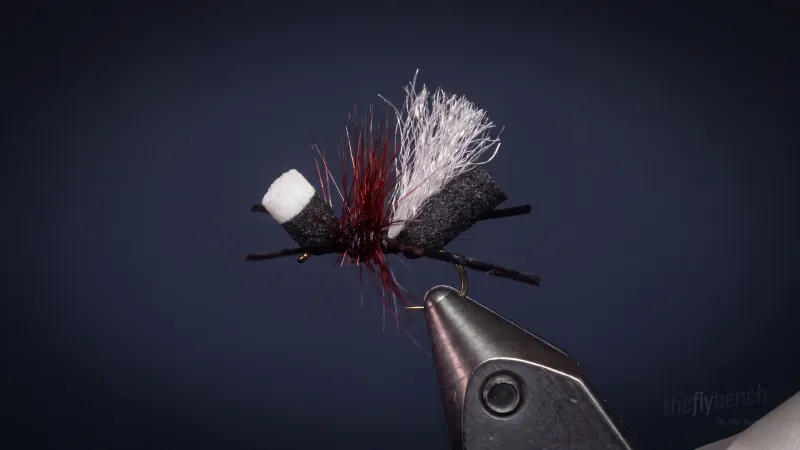
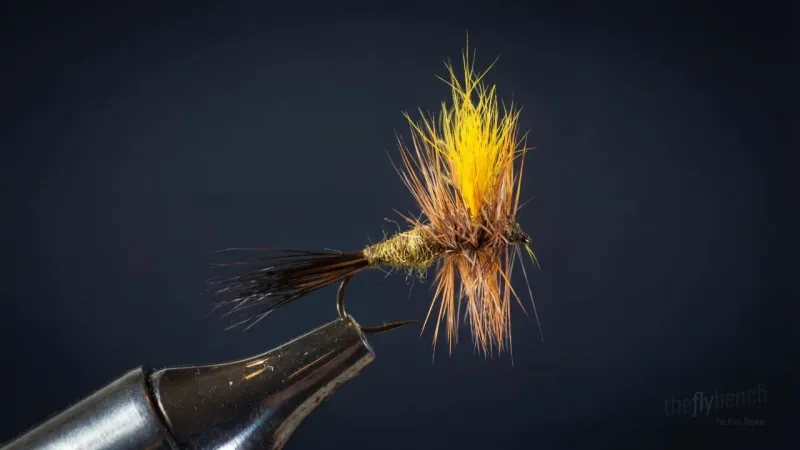
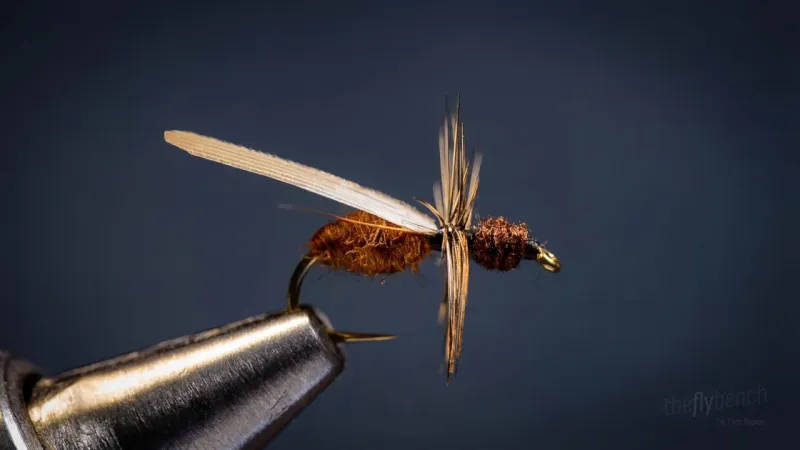
Cheech of Fly Fish Food released the Medusa Ant in June 2026 as a close cousin of his Medusa Green Drake. The wing blends cream sculpin wool, gunmetal Ice Dub and pearl Ripple Ice Hair, and black CDC forms the hackle. Treat it with floatant before fishing. He calls it his go-to summer trout fly and keeps it in his main box all season.
Related patterns
Behavior & presentation
- Natural Behavior
- Ants that drop or blow into the water can't climb back out, so they sit low in the film with legs splayed, often drifting a long way before a trout notices them.
- Where Trout Eat It
- Trout cruise the edges under trees and along grassy banks on warm afternoons, picking ants out of the surface where the current pushes them tight to shore.
- How to Fish It
- Dead drift it in the film with a reach or slack-line cast so the CDC and body sit flush. Let it ride well past the spot you expect a fish, because trout often follow an ant before eating it.
- Best Water
- Undercut banks, the soft seam below overhanging brush, foam lines collecting windblown insects, and slow slicks along shaded edges.
- Strike Type
- A quiet, unhurried sip that barely breaks the surface; watch the pale wing and lift when it disappears rather than waiting for a splash.
Fishing strategy
- Rigging Suggestions
- Fish it alone on a 9-foot leader tapered to 5X, lengthening to 6X for spooky fish on flat water. It also works as the second fly behind a larger hopper.
- Seasonal Timing
- Best from late June through September when ants are on the move, especially on hot, breezy afternoons and after summer storms.
- Pro Tips
- Dry the CDC with desiccant powder after each fish instead of gel floatant, which mats the fibers. Pull the dubbed body out lightly with a brush if you want a buggier outline.
Entomology
Ants fall onto the water from bankside grass and overhanging branches, and on hot or windy days they arrive in steady numbers. Once trapped in the surface film they ride low and struggle little, giving trout an easy, high-protein meal. Fish often key on them through the summer when aquatic hatches thin out.
- Order
- Hymenoptera
- Family
- Formicidae
- Common name
- Ant
- Organism
- terrestrial
- Life stage
- adult
Pattern details
- Moving Water
- Stillwater
- Worldwide
- dead-drift
- hopper-season
- modern
- searching-pattern
- low-clear-water