
Overview
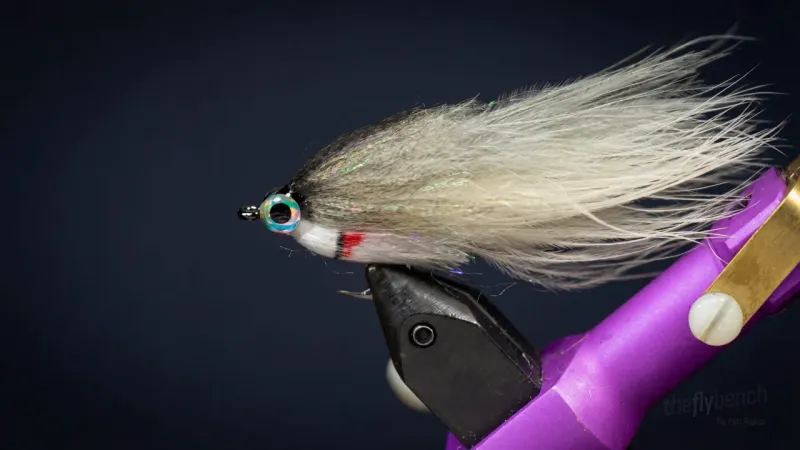
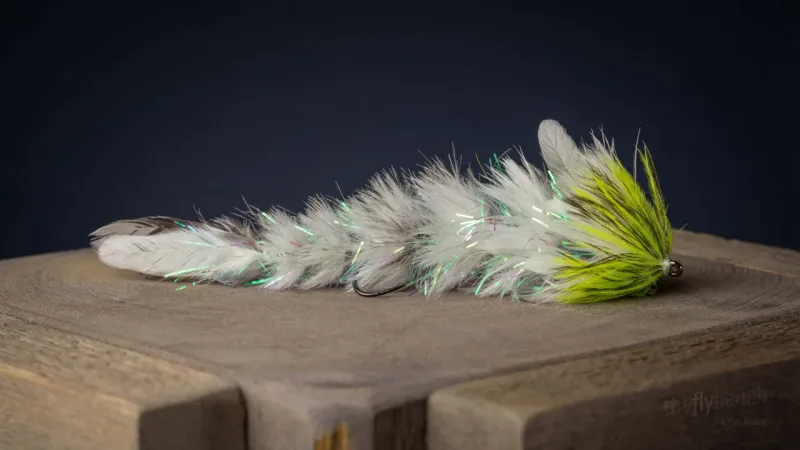
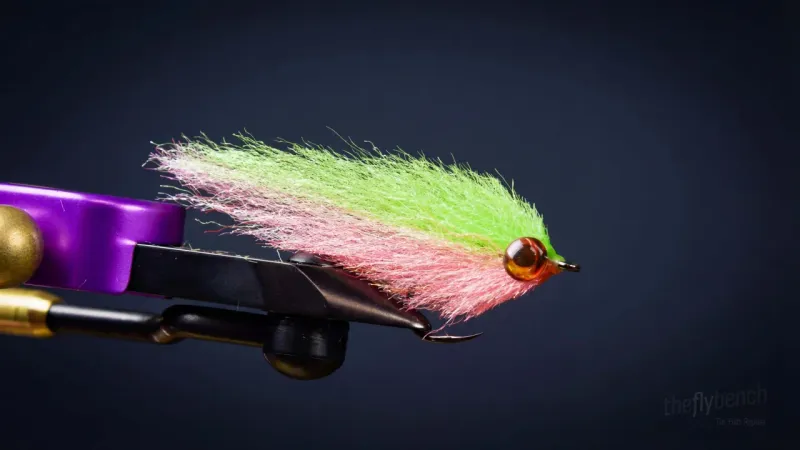
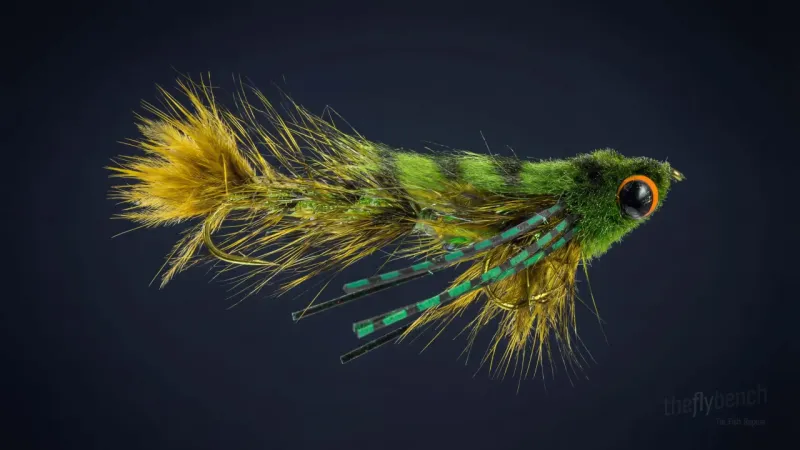
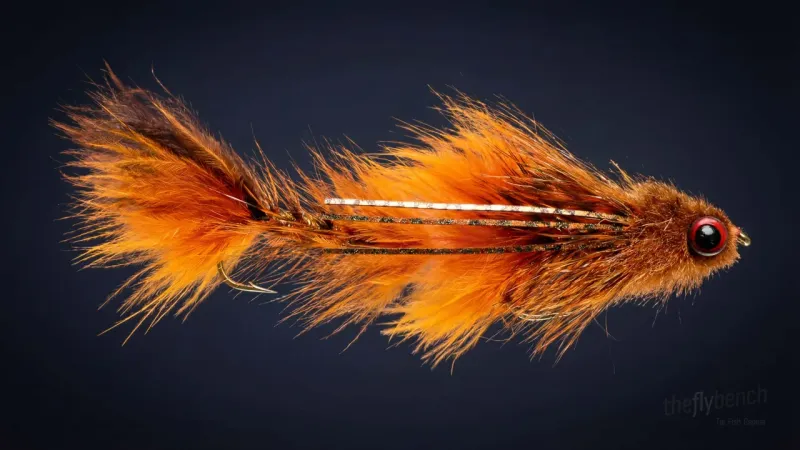
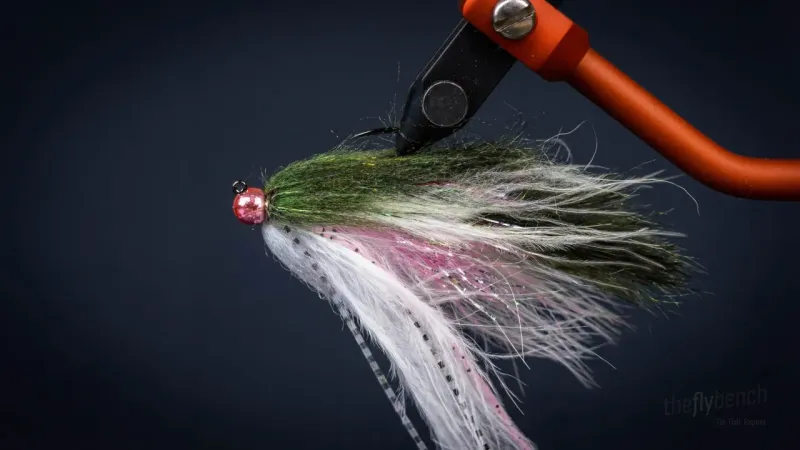
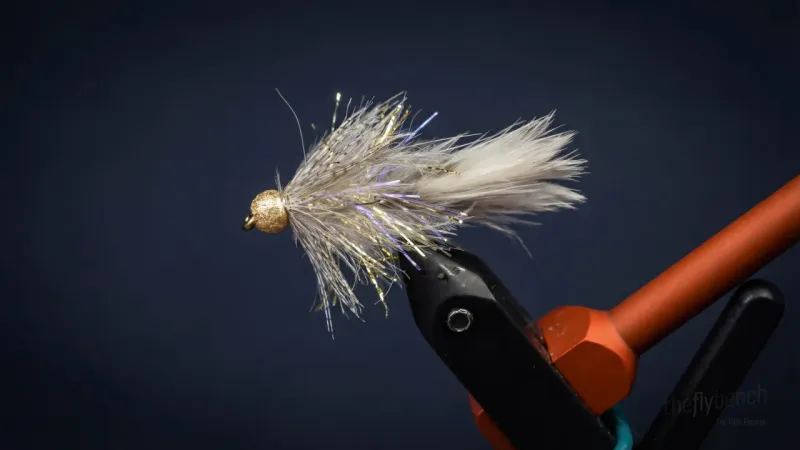
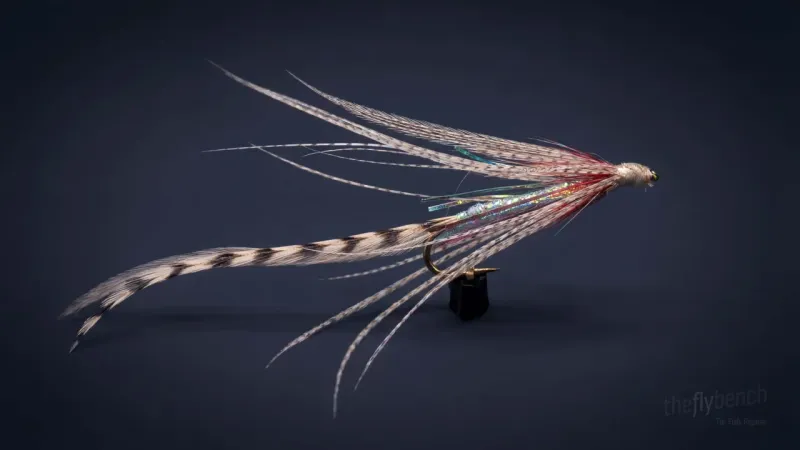
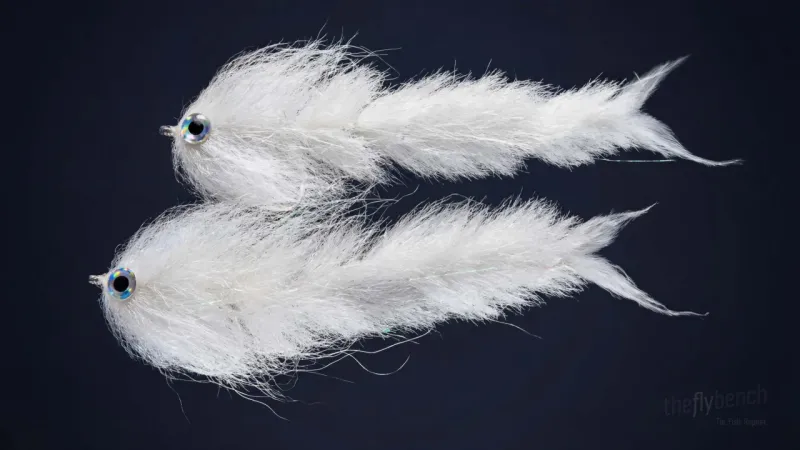
The Low Fat Minnow has evolved through numerous iterations over two years, becoming a highly effective cross-species pattern. This Ghost variant combines UV-reactive marabou tails with super pearl materials to create an ethereal, lifelike minnow profile. The pattern's simplified construction maintains maximum effectiveness while streamlining the tying process, making it accessible despite the material count.
Related patterns
Behavior & presentation
- Natural Behavior
- Baitfish flash silvery flanks while feeding near surface, creating intermittent reflections that betray presence to predators hunting from below. Wounded minnows swim with erratic labored movements and exaggerated body rolls signaling vulnerability.
- Where Trout Eat It
- Aggressive fish ambush from structure in transition zones between fast and slow water, along undercuts, drop-offs, and channel swings.
- How to Fish It
- Strip with varied retrieves from slow crawls to aggressive jerks, with pauses allowing marabou to pulse and breathe.
- Best Water
- Cover flats and pools methodically, focusing on depth transitions, current breaks, and structure where predators stage.
- Strike Type
- Expect jarring grab where line goes tight suddenly; strip-set firmly to drive hook home.
Fishing strategy
- Rigging Suggestions
- Use 0X-2X fluorocarbon leader for freshwater applications, 20-30lb for saltwater. Tie on a loop knot for maximum action. Add split shot or use sinking line to reach deeper water columns.
- Seasonal Timing
- pattern effective in all seasons, particularly productive during baitfish migrations and feeding frenzies. Excellent when fish are keying on baitfish, especially in low-light conditions or stained water where the pearl and UV materials create maximum visibility and flash.
- Pro Tips
- Sinks at a moderate rate due to the wide gap hook and marabou construction. The pearl body and UV-reactive materials provide excellent visibility in various light conditions and water clarities.
Entomology
Baitfish flash their silvery flanks while feeding near the surface, creating intermittent reflections that betray their presence to predators hunting from below. Gamefish strike at these visual cues because the flash indicates healthy, fat-rich prey that justify the energy expenditure of an attack, especially in clear water where stealth approaches fail.
- Organism
- baitfish
- Life stage
- general
Pattern details
- Moving Water
- Stillwater
- Saltwater
- Caribbean
- Gulf Coast
- Great Lakes
- Midwest
- active-retrieve
- strip-retrieve
- searching-pattern
- high-water
- flats