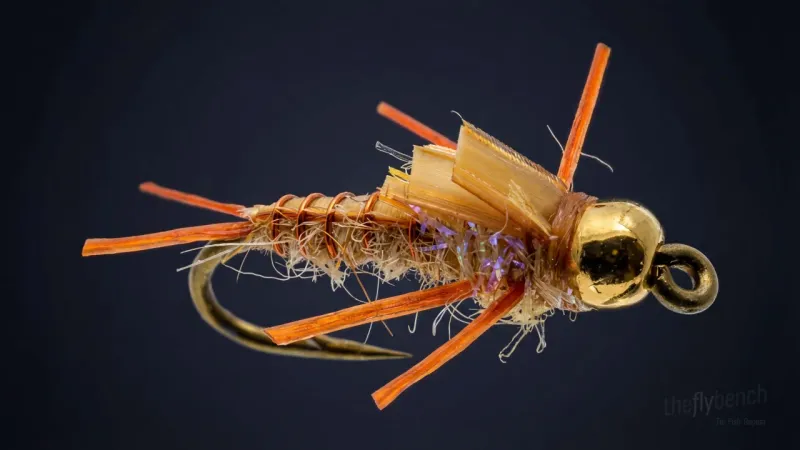
NymphLittle Black Stone Nymph
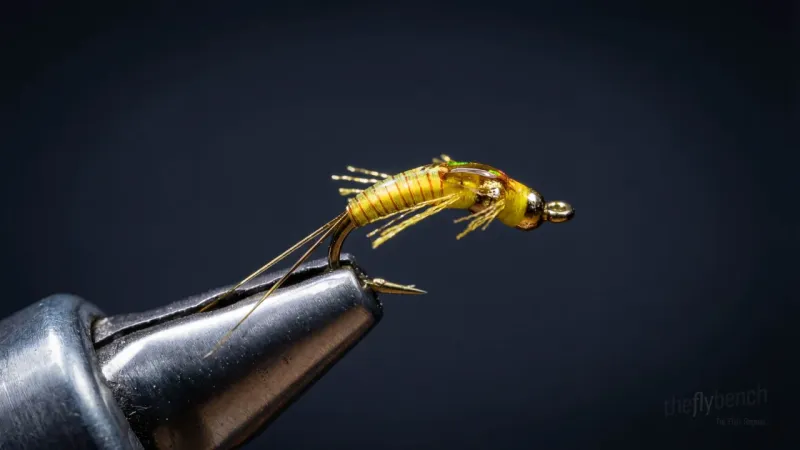
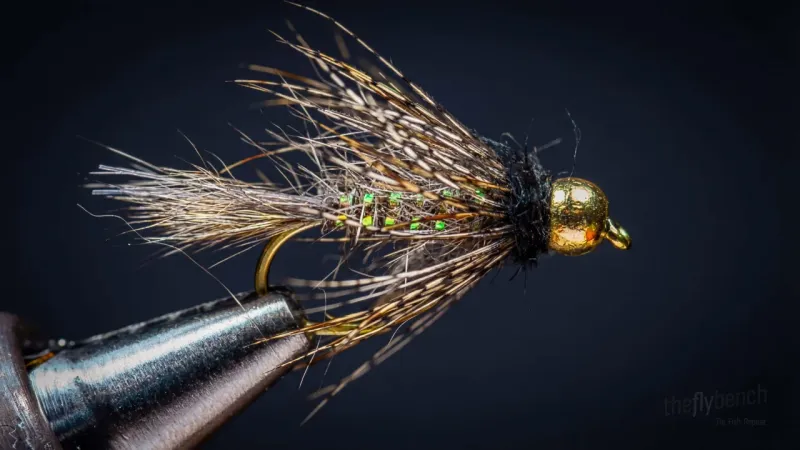
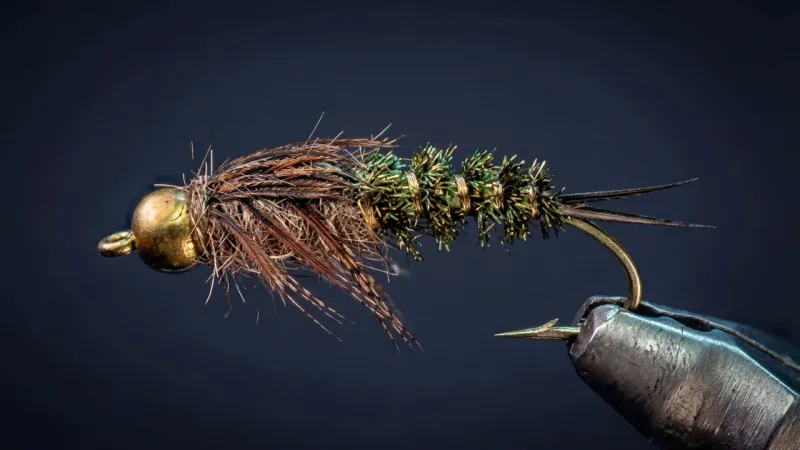
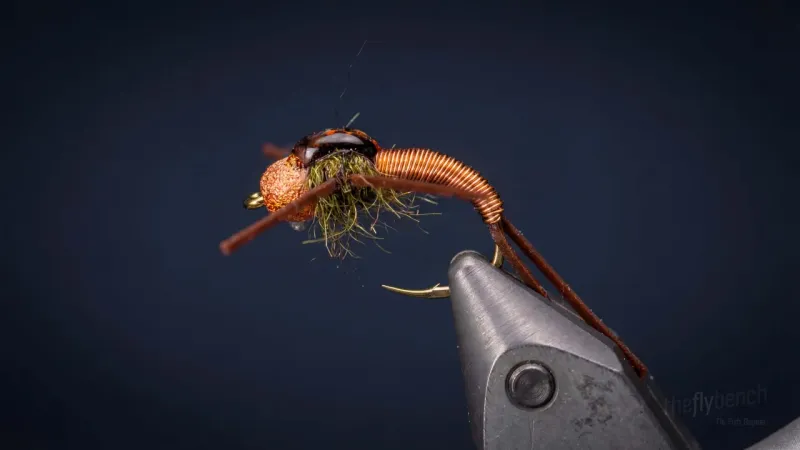
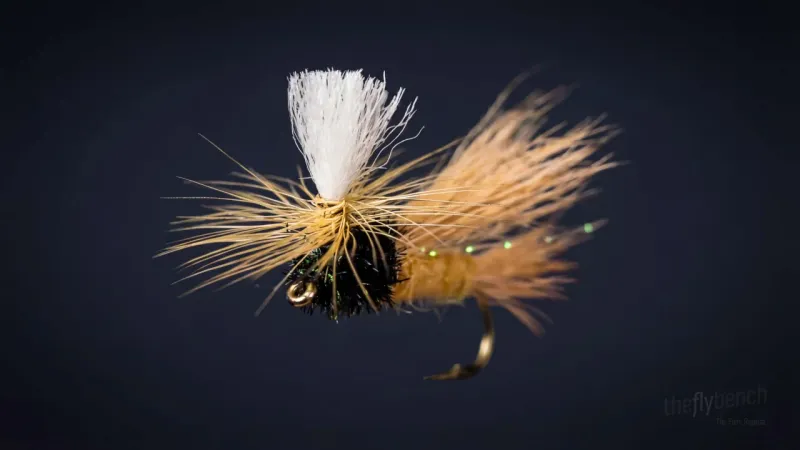
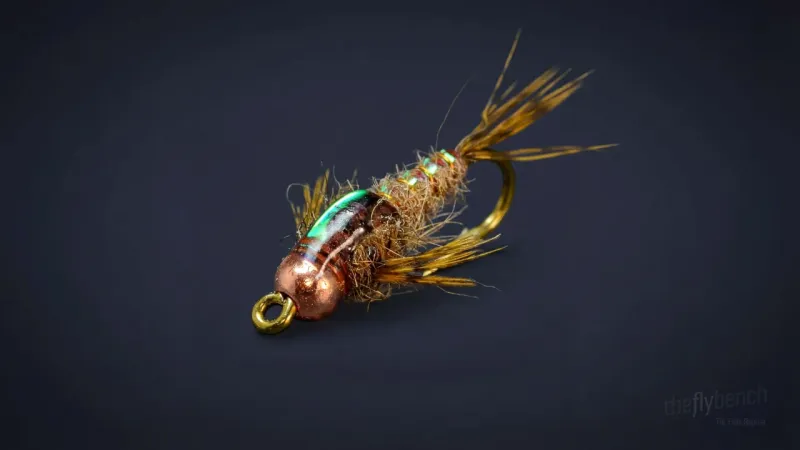
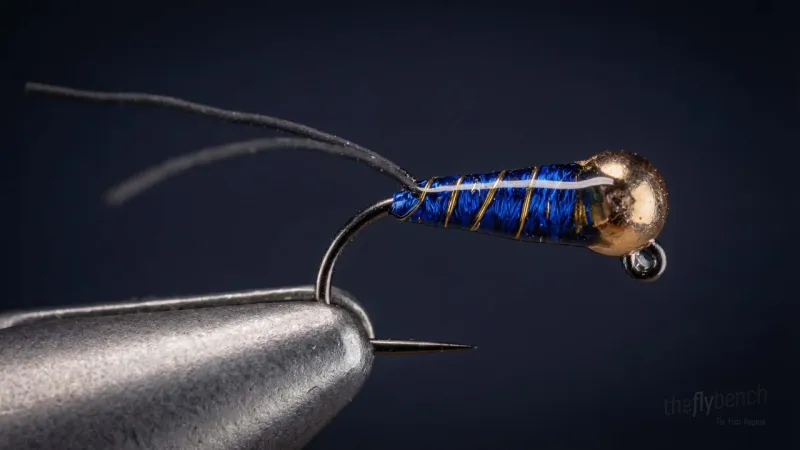
The Little Black Stone Nymph effectively imitates the small black stoneflies that hatch in cold weather, making it a go-to pattern for winter and early spring fishing. The dark body and realistic profile make it highly attractive to trout feeding on these insects.
Winter, Spring
Beginner
Trout
Apr 2025
Overview
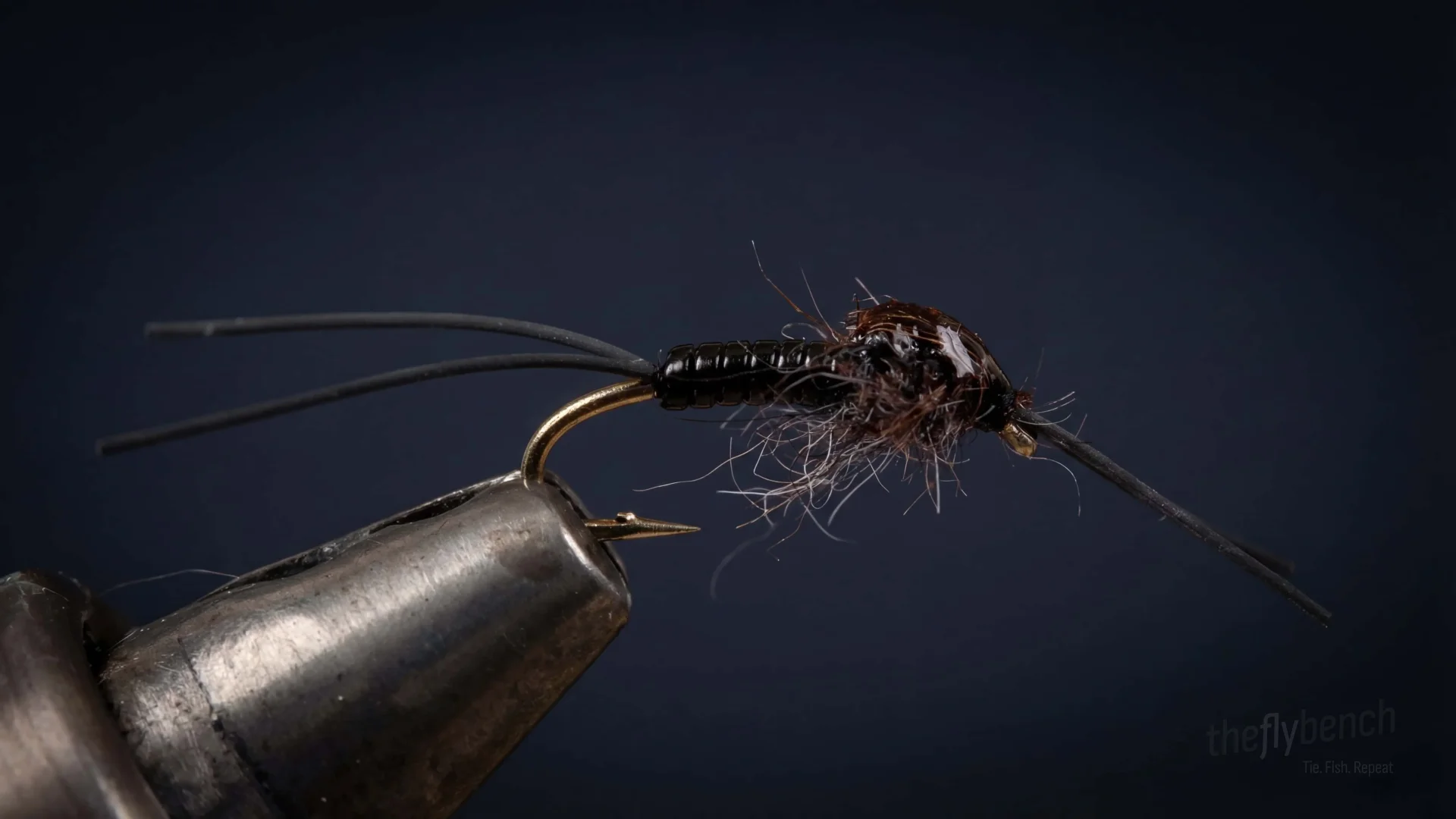
This variation emphasizes segmentation with thin black wire over a dark dubbed body and often includes a flashback or hot spot thorax. It's designed to sink quickly and match the small stonefly nymph profile.
Where to Buy This Fly
We only link to fly shops we trust. Some links are referral links, which may earn us a commission at no extra cost to you.
Materials
- Hook:
- Dai-Riki 285, size #14-#20
- Thread:
- 8/0 or 70 Denier, black
- Antennae/Legs:
- Centipede Legs, mini, black
- Abdomen:
- Stretch Tubing, micro, black
- Wingcase:
- 6-8 natural pheasant-tail fibers
- Thorax:
- Dark hare's mask
Behavior & Presentation
Natural Behavior: Diminutive stonefly nymphs inhabit interstitial spaces between rocks in riffles and runs, periodically venturing into open water to feed on algae and organic matter. During late winter emergence periods, nymphs migrate toward banks and become vulnerable to drift when dislodged.
Where Trout Eat It: Trout feed on drifting nymphs in the lower to mid-water column along runs and riffles with cobble substrate, particularly during midday warmth in cold weather.
How to Fish It: Use tight-line Euro nymphing or indicator rigs for dead-drift presentations along bottom, maintaining contact to detect subtle strikes from lethargic winter fish.
Best Water: Target runs and pocket water with gravel and cobble substrate, focusing on seams and current breaks that funnel drifting nymphs through feeding zones.
Strike Type: Trout take with subtle taps or brief pauses detectable through indicator movement or line tension.
Fishing Strategy
Rigging Suggestions: Fish under yarn indicator with 4X or 5X tippet, or use as point fly in Euro rig. Add micro split shot if needed. Pair with trailing midge pattern 18-24 inches behind.
Seasonal Timing: Prime fishing from December through March during peak stonefly activity, with best results when water temperatures are 33-42°F on tailwaters and creeks.
Pro Tips: The dark profile provides excellent visibility in clear winter water. When trout are lethargic in cold temperatures, the compact profile and natural presentation trigger strikes from fish feeding on limited winter food sources.
Entomology
Diminutive stonefly nymphs inhabit the interstitial spaces between rocks in riffles and runs, periodically venturing into open water to feed on algae and organic matter. Fish eagerly consume these nymphs year-round because their compact size and frequent availability make them efficient prey items, especially during late winter and early spring emergence periods.
- Order
- Plecoptera
- Common Name
- Stonefly
- Organism Type
- insect
- Life Stage
- general