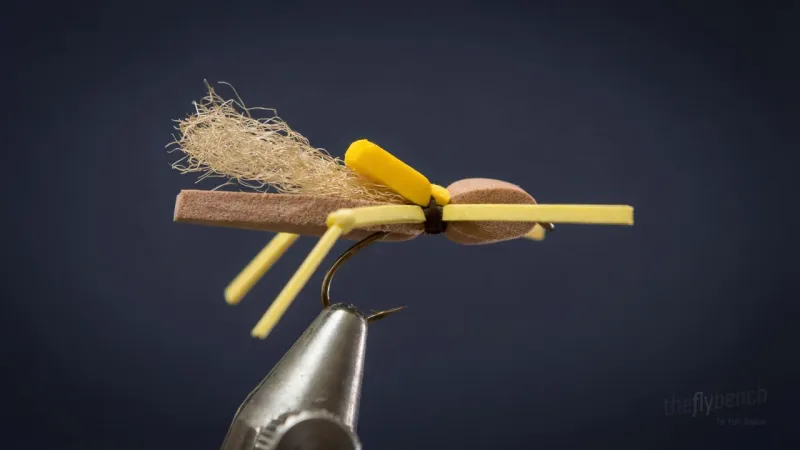
Dry FliesLetort Hopper
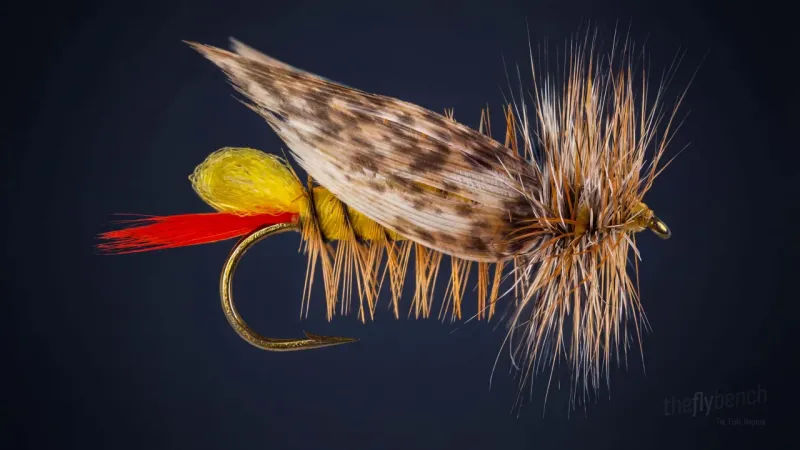
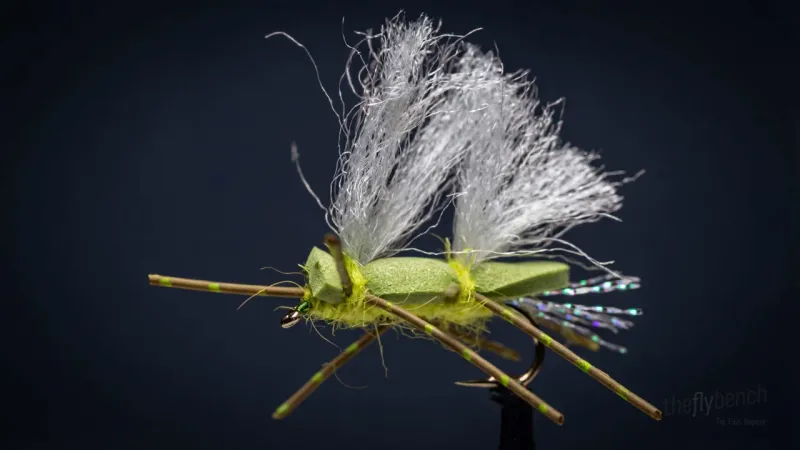
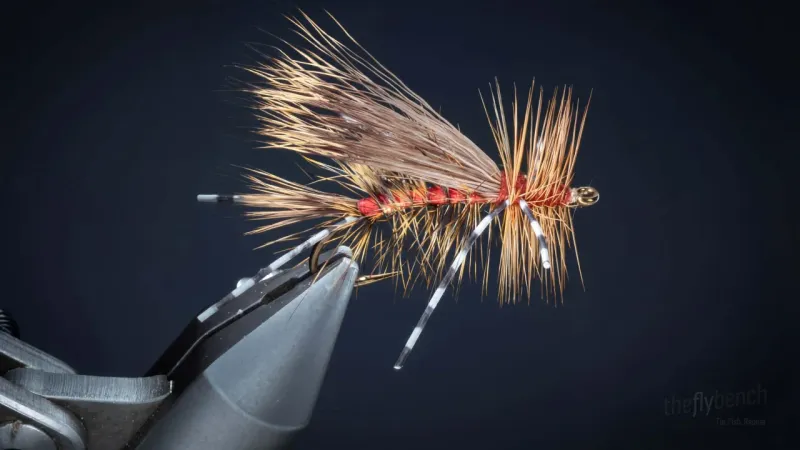
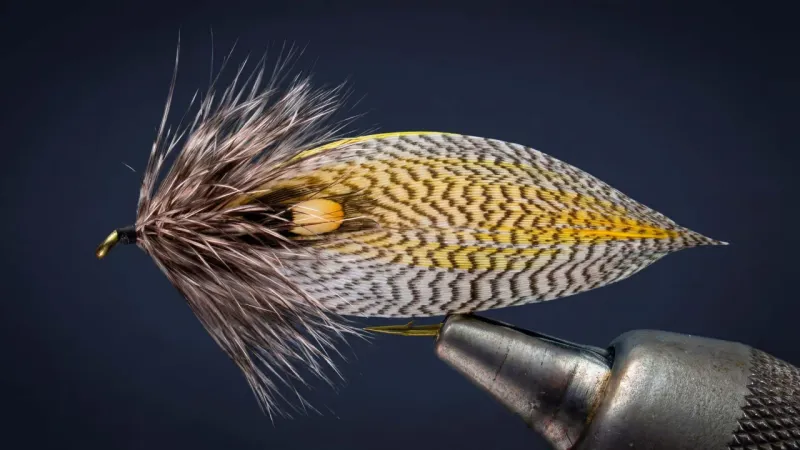
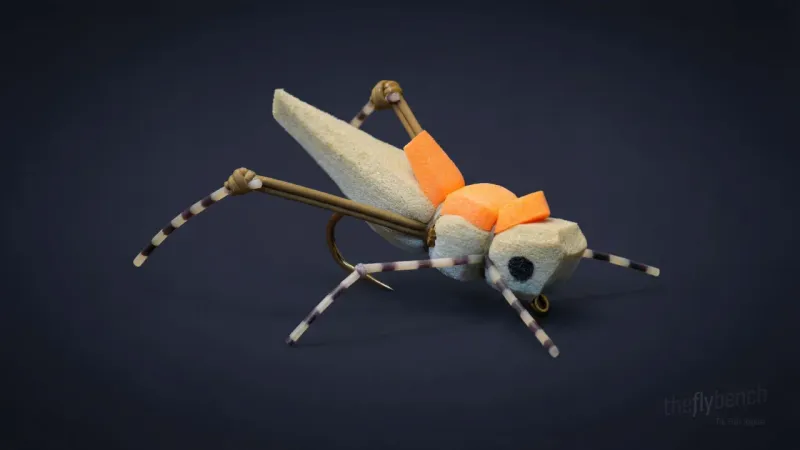
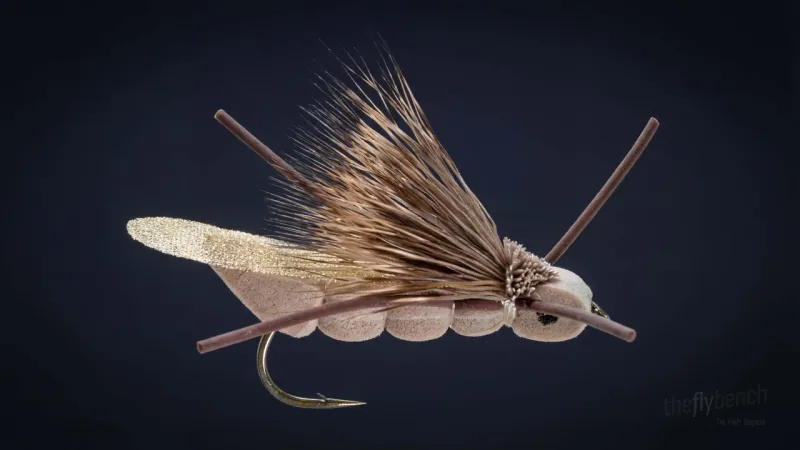
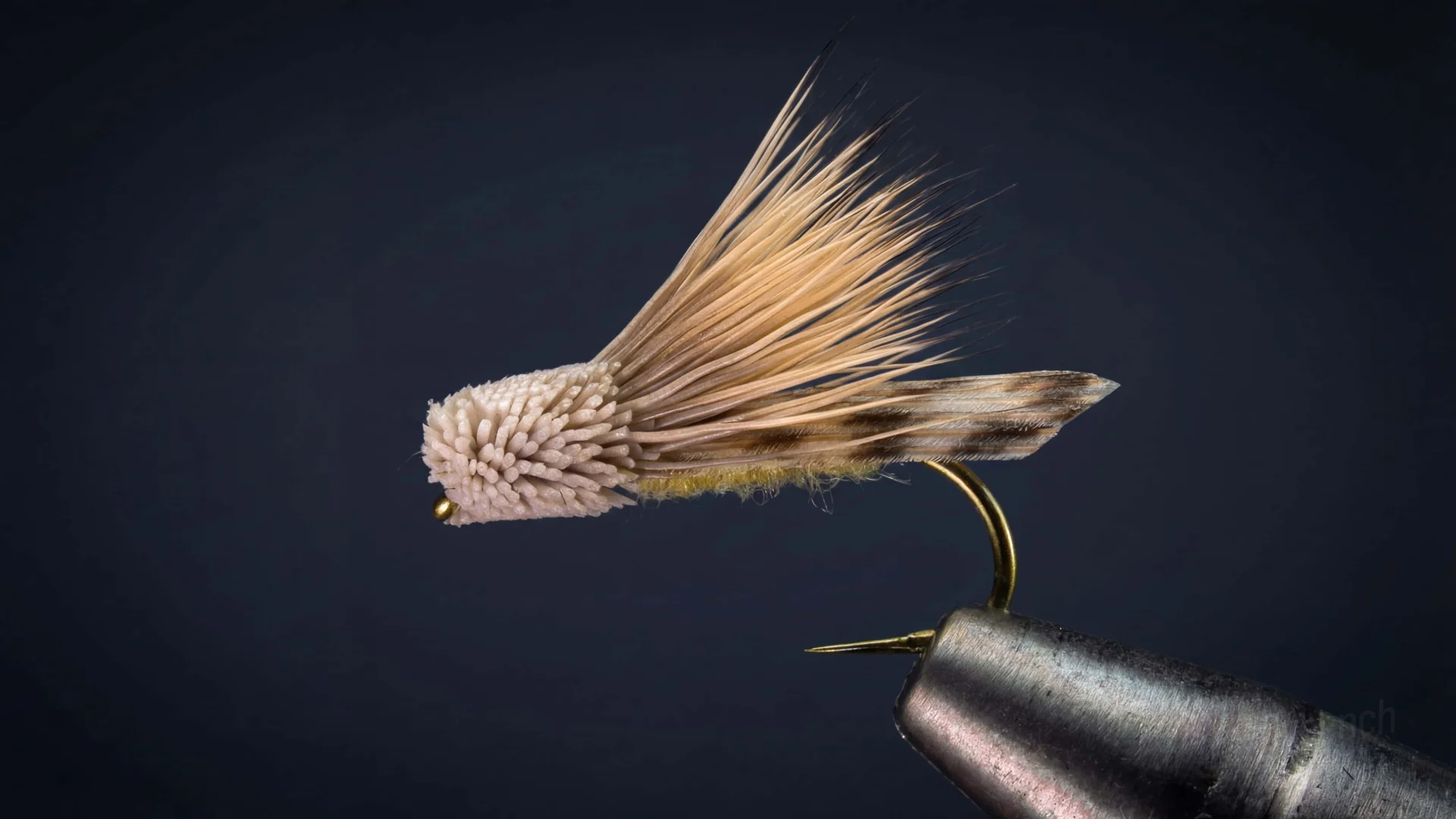
A classic terrestrial pattern, the Letort Hopper is designed to imitate a grasshopper on the water surface. This fly is extremely effective in late summer when hoppers are plentiful and fish are looking up for a hearty meal.
Summer
Advanced
Trout
Apr 2025
Overview
A classic terrestrial tied with a dubbed body, spun and clipped deer hair head, and turkey quill wing. The hackle-free construction makes it sit low in the film, imitating a struggling grasshopper with subtle realism.
Where to Buy This Fly
We only link to fly shops we trust. Some links are referral links, which may earn us a commission at no extra cost to you.
Materials
- Hook:
- Tiemco 100SP-BL, sizes #10-#16
- Thread:
- Yellow Danville 3/0
- Body:
- Pale Yellow Superfine Dubbing
- Wing:
- Mottled Ozark Turkey Wing
- Head:
- Natural Deer Hair
- Blade:
- Double Edge Razor Blade
Behavior & Presentation
Natural Behavior: Terrestrial grasshoppers land on water accidentally during flight or when blown from streamside vegetation, their legs kicking desperately as they attempt to swim. These sudden food bonanzas trigger opportunistic feeding from bank-holding trout during mid-summer.
Where Trout Eat It: Surface near banks where hoppers naturally fall, along undercuts, beneath overhanging vegetation, and in grass-lined runs.
How to Fish It: Cast near banks where hoppers naturally fall into the water, using a splashy landing to attract attention because this mimics the audible disturbance hoppers create. Allow the fly to drift naturally along undercuts and beneath overhanging vegetation. Occasional twitches imitate struggling hoppers and trigger strikes because this reproduces their desperate swimming attempts.
Best Water: Grassy banks, undercut banks, grass-lined runs, areas with overhanging vegetation in freestone streams, meadow sections, and pastoral rivers.
Strike Type: Aggressive eat with visible surface disturbance as bank-holding trout leave cover to intercept the struggling hopper. Watch for explosive takes.
Fishing Strategy
Rigging Suggestions: Use 7.5-9ft 3X-4X tippet with standard dry fly setup. The deer hair wing and hackle provide excellent flotation for drag-free drifts along structure. Excellent for hopper-dropper rigs—add a beadhead nymph 18-24 inches below to cover both surface and subsurface feeding.
Seasonal Timing: Prime effectiveness during summer (July-August) with extended productivity into early fall (September) when grasshoppers reach peak abundance because this is when hoppers are largest and most active. Best fishing occurs when water temperatures range from 60-72°F and hoppers are active in streamside grasses. Target late morning through afternoon when terrestrial activity peaks and sun warms the grasses. Windy days blow hoppers onto the water, creating exceptional opportunities.
Pro Tips: This classic Pennsylvania limestone stream pattern has proven effective across North America. Its natural coloration and realistic profile fool selective trout in clear water. The size and buoyancy make it excellent for hopper-dropper rigs.
Entomology
Terrestrial grasshoppers land on water accidentally during flight or when blown from streamside vegetation, their legs kicking desperately as they attempt to swim. These sudden food bonanzas trigger opportunistic feeding from bank-holding trout during mid-summer. The Letort's low-floating profile and realistic silhouette create a convincing struggling hopper that draws fish from cover.
- Order
- Orthoptera
- Family
- Acrididae
- Common Name
- Grasshopper
- Organism Type
- terrestrial
- Life Stage
- adult