



Overview
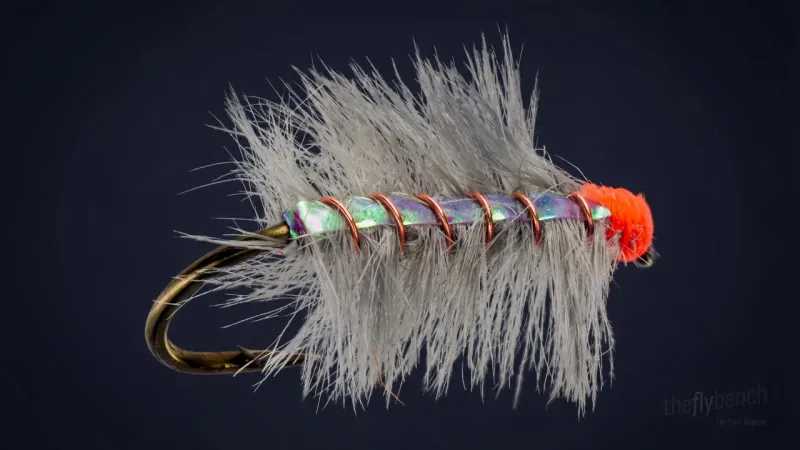
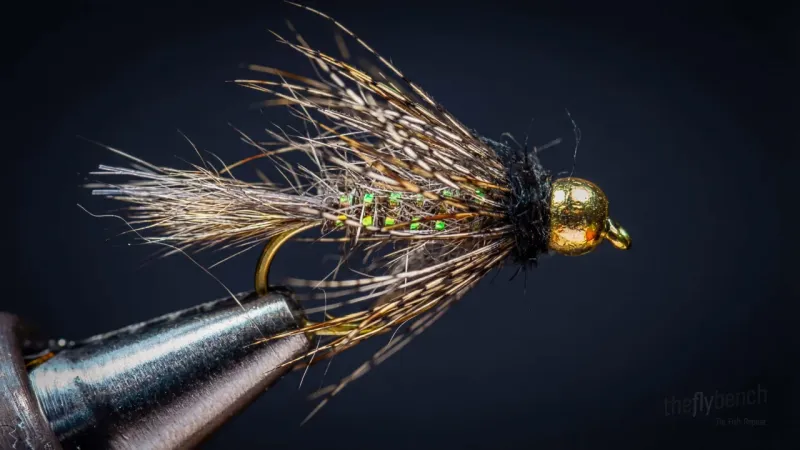
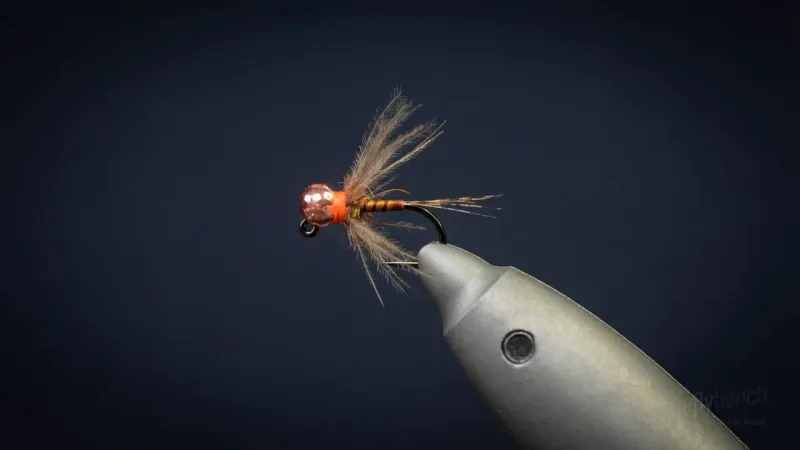
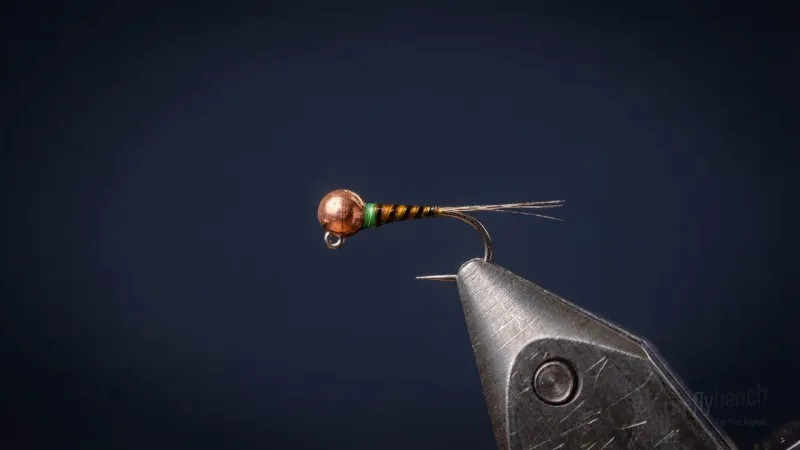
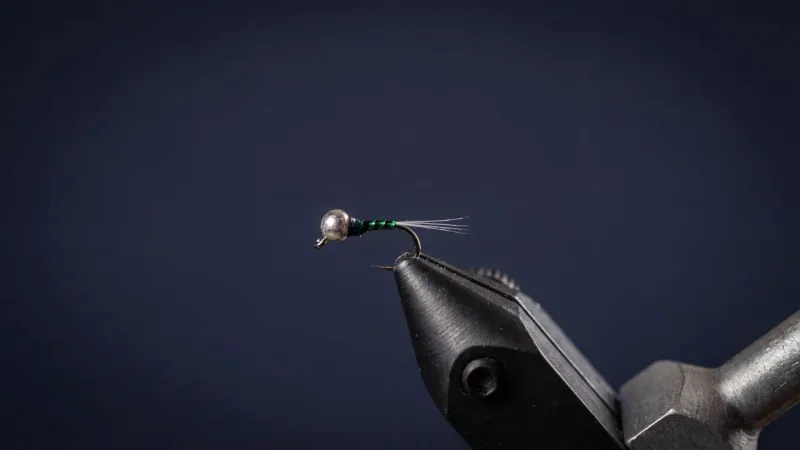
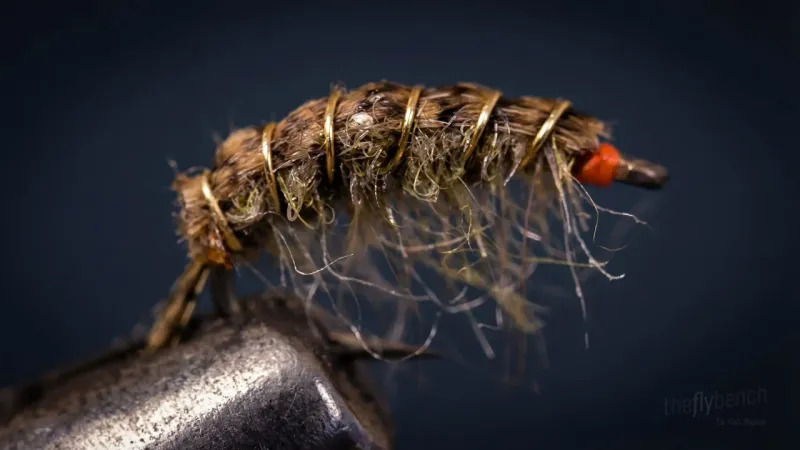
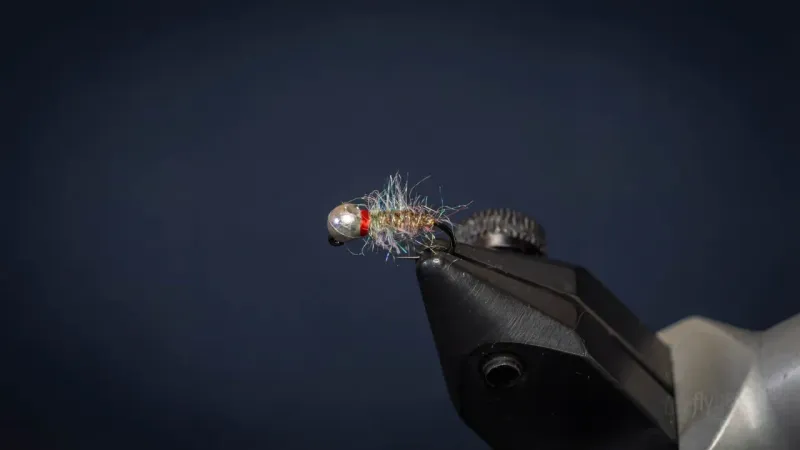
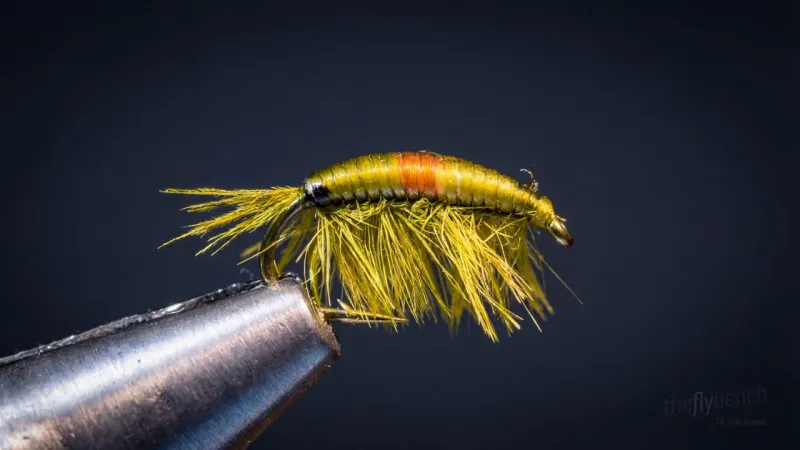
The Jigged Garbage Sow Bug creates a realistic crustacean imitation through a simple but effective custom dubbing blend. The combination of natural hare's ear style dubbing with trilobal flash dubbing creates both a buggy texture and subtle sparkle that mimics the translucent appearance of natural sowbugs. The jig hook ensures proper hook orientation for better hookups and fewer snags when bouncing along the bottom.
Related patterns
Behavior & presentation
- Natural Behavior
- Sowbugs tumble end-over-end through riffles when dislodged, curved bodies and multiple legs creating distinctive silhouettes as they struggle to regain substrate. Soft shells after molting provide easily accessible nutrition with worthwhile caloric returns.
- Where Trout Eat It
- Fish hold near bottom intercepting tumbling sowbugs in weed edges, drop-offs, and shoals at 2-6 foot depths.
- How to Fish It
- Dead drift along bottom near structure where sowbugs congregate, allowing jig hook to ride point-up reducing snags.
- Best Water
- Work weed edges where isopods hide, target drop-offs at depth transitions, and fish shoals near rocky structure.
- Strike Type
- Subtle sag or tick indicates fish grabbing tumbling isopods during bottom drift near structure.
Fishing strategy
- Rigging Suggestions
- Fish on 5X-6X fluorocarbon as part of a two-fly nymphing rig or solo on a euro setup. Add weight as needed to maintain bottom contact where sowbugs live.
- Seasonal Timing
- Effective , particularly productive during months when sowbugs remain active while aquatic insects are dormant. Deploy on tailwaters and creeks with established sowbug populations.
- Pro Tips
- The tungsten bead provides quick sink to reach the bottom zone. The blood red bead adds a subtle hotspot while the natural dubbing blend creates realistic translucency.
Where to fish it
Rivers anglers pair with this fly, with local shops that stock it.
River details and fly shops from River & Run, our sister site.
Entomology
Sowbugs tumble end-over-end through riffles when dislodged, their curved bodies and multiple legs creating distinctive silhouettes as they struggle to regain substrate contact. Fish consume these isopods eagerly because their soft shells after molting provide easily accessible nutrition, while hard-shelled individuals still offer worthwhile caloric returns for minimal hunting effort.
- Organism
- crustacean
- Life stage
- general
Pattern details
- Moving Water
- Rocky Mountain
- tight-line-nymph
- competition
- dead-drift
- baetis-hatch
- low-clear-water
- tailwater
- spring-creek