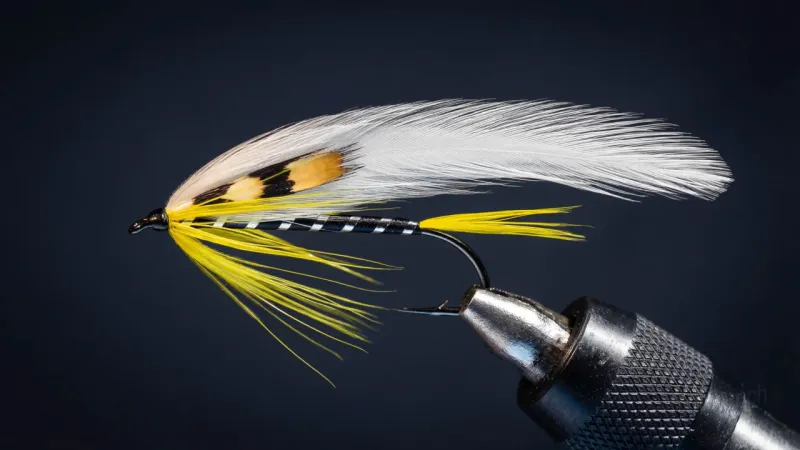
StreamersHareball Leech
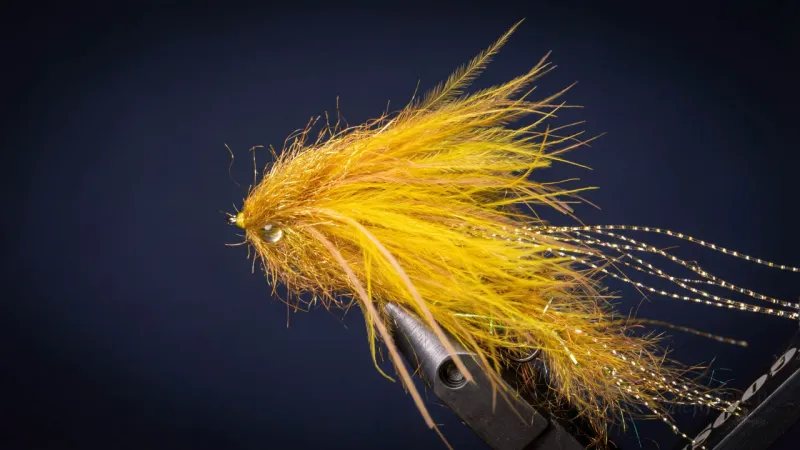
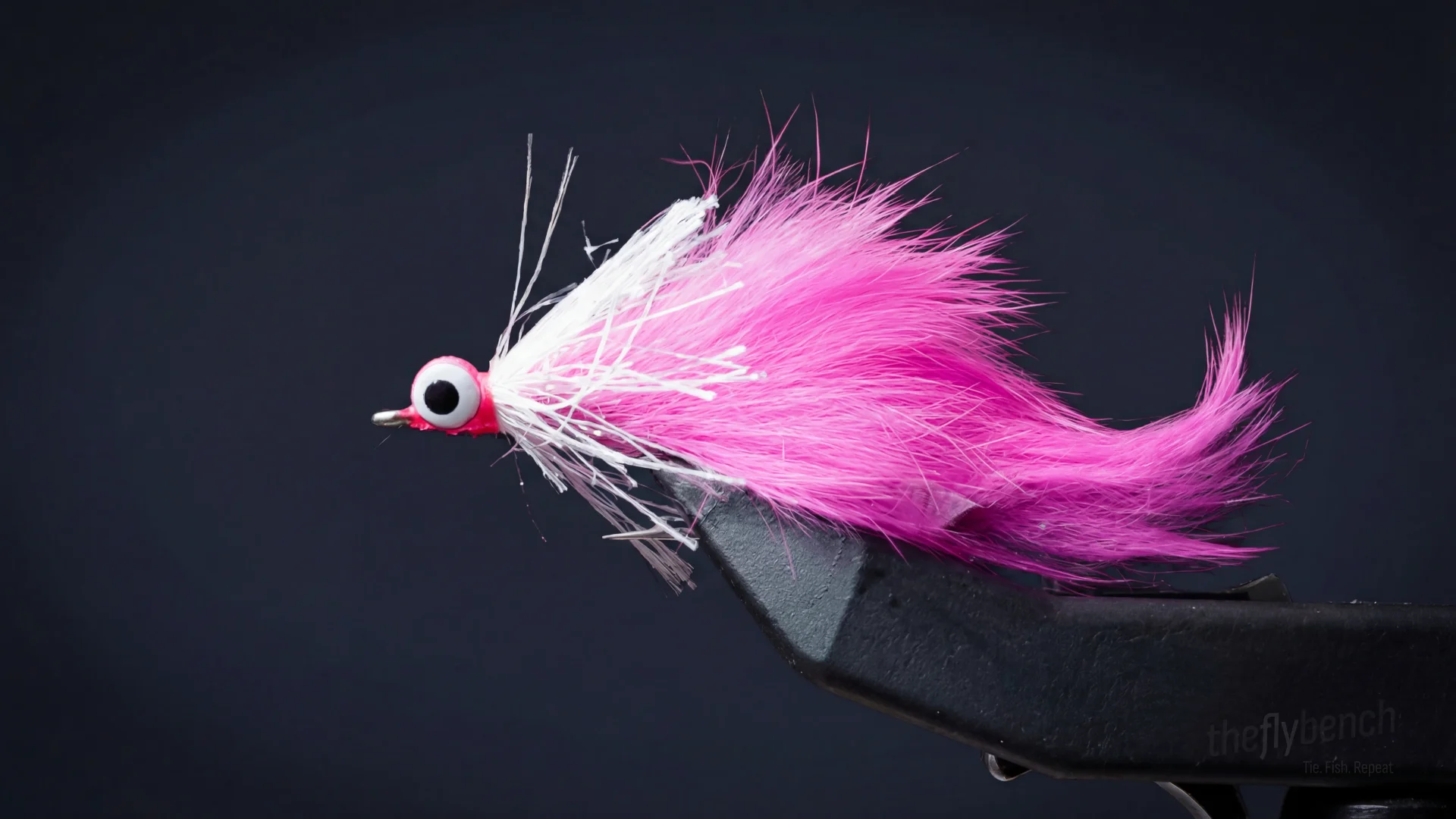
The Hareball Leech is a heavy, high-movement streamer designed for targeting king salmon in Alaska's rivers. Its palmered rabbit strip body and cactus chenille create an irresistible undulating action in the current. The bright pink head and nickel eyes add visibility and weight for getting deep in heavy flows.
Summer, Fall
Intermediate
King Salmon, Steelhead
Feb 2026
Overview
The Hareball Leech is an Alaskan pattern built for swinging through deep runs where king salmon hold. The combination of rabbit strip and cactus chenille produces maximum movement even in slow currents. Tiers often experiment with color combinations beyond the standard purple, including black/chartreuse and pink/white variations to match local water conditions.
Where to Buy This Fly
We only link to fly shops we trust. Some links are referral links, which may earn us a commission at no extra cost to you.
Materials
- Hook:
- Standard salmon hook, size #2–#4
- Thread:
- Black Flymaster Plus
- Weight:
- .030–.035 lead wraps
- Tail:
- Purple rabbit strip with grey ghost Krystal Flash and purple Sparkleflash
- Body:
- Purple cactus chenille (large), palmered with purple rabbit strip
- Collar:
- Purple schlappen
- Eyes:
- Nickel bright eyes, 7/32"
- Head:
- Hot pink Flymaster Plus
Behavior & Presentation
Natural Behavior: Leeches undulate through the water column with characteristic pulsing motions, alternating between active swimming bursts and passive gliding as they move between feeding areas. Trout pursue these high-calorie prey items aggressively because their serpentine movements trigger predatory strikes.
Where Trout Eat It: King salmon and resident trout attack this pattern in deep holding pools where large schools concentrate during spawning runs.
How to Fish It: Quick strip-strip-pause retrieve creates jigging motion. Spot cast to salmon schools and strip aggressively through slack water.
Best Water: Most productive in deep channel swings and slack water eddies behind structure in 6-15 foot bottom channels.
Strike Type: Feel violent thumps mid-strip as aggressive fish slam the pattern. King salmon often grab and hold, creating sudden heavy weight that loads the rod deeply.
Fishing Strategy
Rigging Suggestions: Fish on a 7–9 weight rod with a sink-tip or full sinking line. Use a short, stout leader of 0X–2X fluorocarbon, 3–4 feet long. No additional weight needed due to the lead wraps and nickel eyes.
Seasonal Timing: Most productive during the king salmon runs from June through August. Also effective during coho and steelhead runs in September and October.
Pro Tips: Sinks quickly due to lead wraps and heavy eyes. The purple body and pink head provide excellent contrast in off-color water.
Entomology
Large leeches propel themselves through salmon-holding pools with powerful muscular contractions, their bodies extending and compressing as they cross open water between feeding stations. The distinctive pulsing rhythm of leech movement creates pressure waves that predatory fish detect with their lateral line systems. King salmon and resident trout attack these organisms because leeches' slow swimming speed and predictable movement patterns make them vulnerable targets that require minimal chase effort.
- Organism Type
- baitfish
- Life Stage
- general