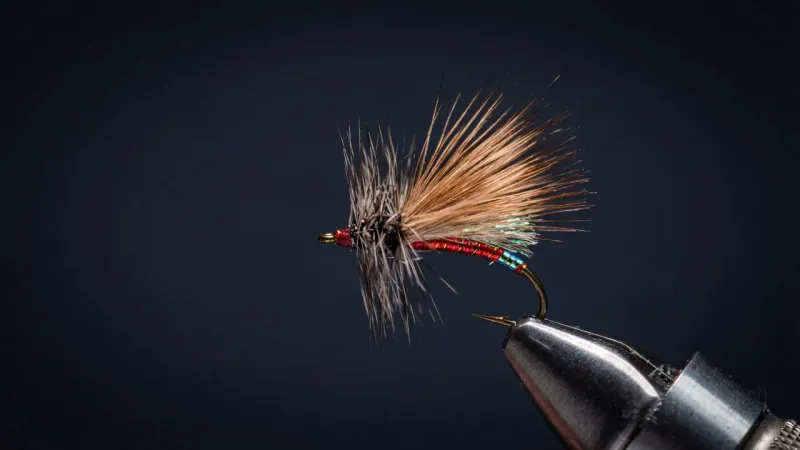
NymphEgg
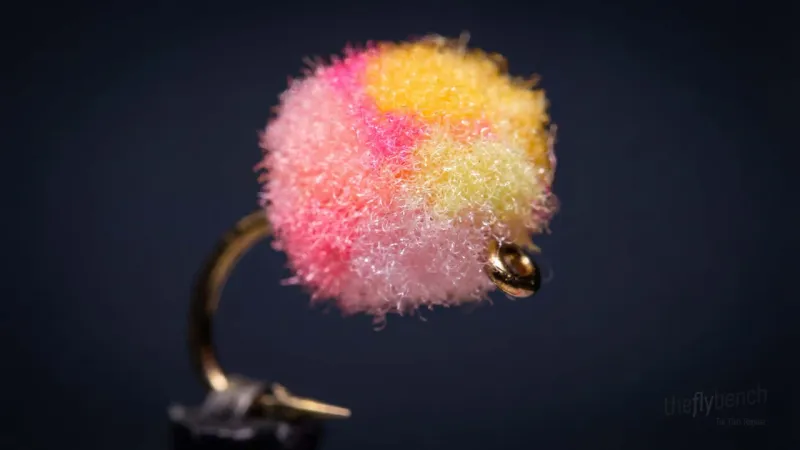
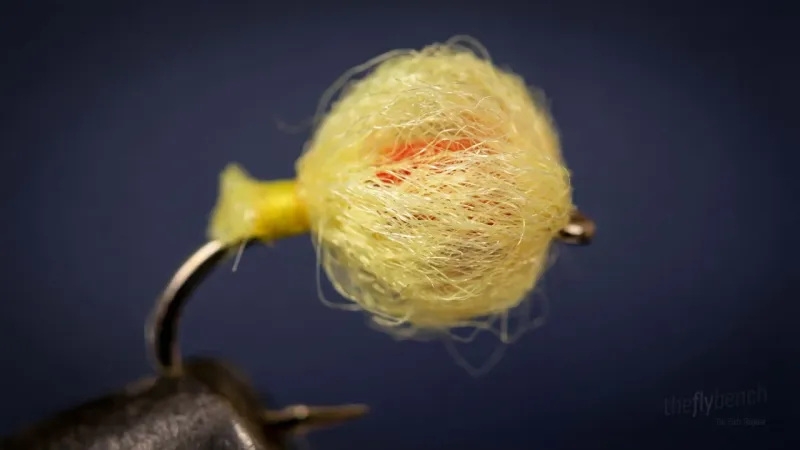
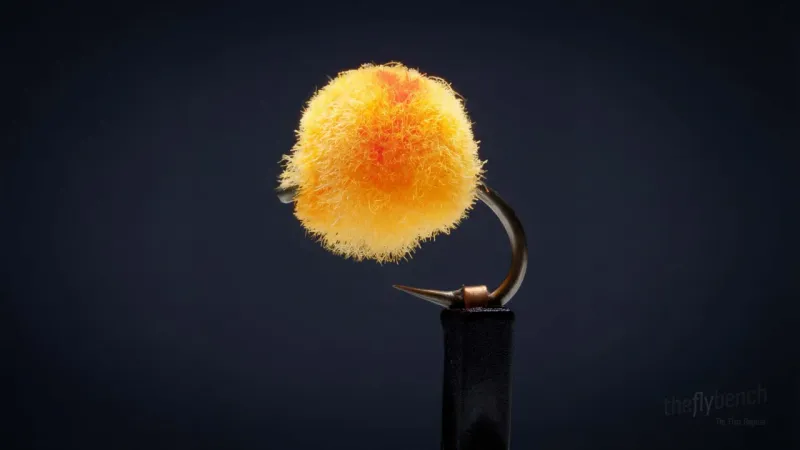
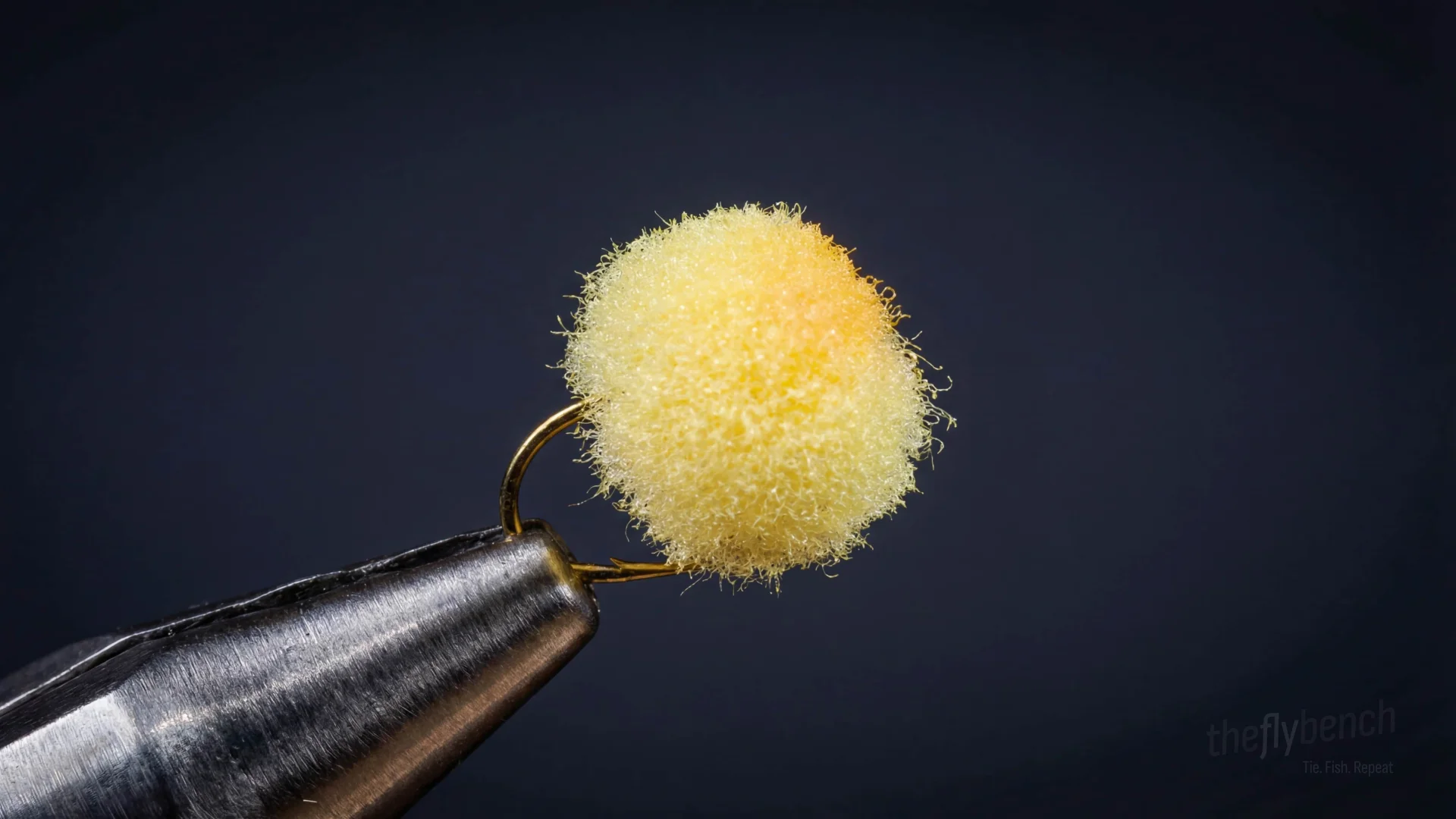
The Egg fly is one of the simplest yet most effective patterns in any angler's arsenal. This minimalist design uses just McFlyfoam wrapped on a curved hook to create a remarkably realistic fish egg imitation. The semi-translucent McFlyfoam material captures light and provides the natural glow that makes real eggs so appealing to trout, steelhead, and salmon feeding in spawning waters.
Fall, Winter, Spring
Beginner
Trout, Steelhead, Salmon
Dec 2025
Overview
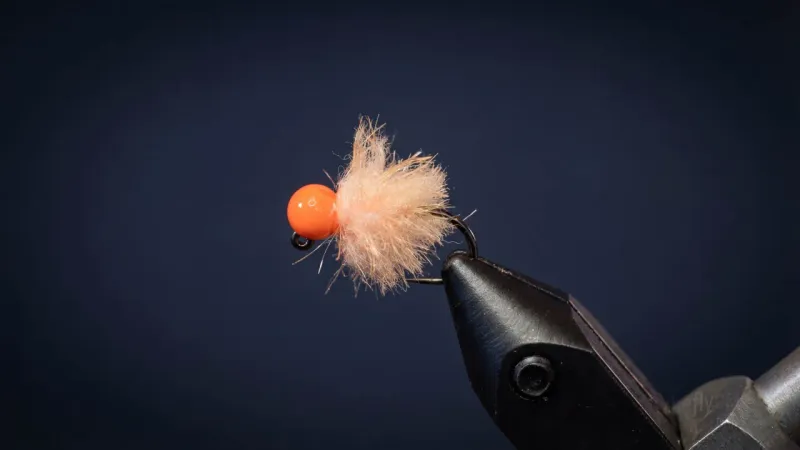
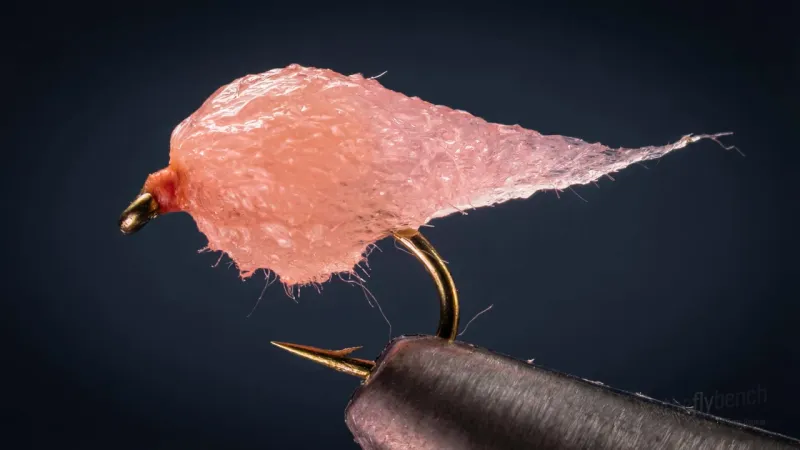
This Charlie Craven pattern from Charlie's Fly Box demonstrates the elegantly simple egg fly construction. The pattern's beauty lies in its simplicity - McFlyfoam provides the perfect translucent, glowing appearance of a natural fish egg while being easy to tie and extremely durable. The curved caddis hook (2488H) helps the egg maintain a round shape and provides excellent hooking characteristics. Tied in various colors to match salmon, steelhead, or trout eggs, this pattern is a must-have for fishing below spawning fish.
Materials
Hook: Tiemco 2488H, #14-16
Thread: Semperfli Nano Silk, 30 denier
Body: McFlyfoam
Behavior & Presentation
Natural Behavior: Dislodged fish eggs tumble helplessly downstream through spawning gravel without any escape ability. Their concentrated protein and fat content provides exceptional nutrition without requiring chase effort. Trout gorge on these nutrient-dense morsels during spawning runs.
Where Trout Eat It: Fish hold near bottom in tail-outs, runs, and riffle edges below spawning redds where current delivers drifting eggs through feeding zones.
How to Fish It: Dead drift along the bottom maintaining drag-free presentation. The slow-sinking McFlyfoam requires proper weighting to reach bottom where fish feed.
Best Water: Target tail-outs, riffle edges, seams, and pocket water below spawning activity where eggs concentrate.
Strike Type: Indicator dips, slight hesitations, or subtle line tightening signal takes.
Fishing Strategy
Rigging Suggestions: Fish under a strike indicator with split shot to achieve proper depth. Use 4X-5X fluorocarbon tippet for invisibility. Excellent as part of a two-fly rig with a stonefly or attractor nymph as the point fly.
Seasonal Timing: Most effective during through spawning seasons when trout, salmon, and steelhead are actively spawning. Becomes a primary food source in rivers with salmon and steelhead runs from September through April.
Pro Tips: The McFlyfoam body provides a natural translucency that mimics real eggs. Common colors include pale orange, apricot, peach, and chartreuse.
Entomology
Dislodged fish eggs tumble downstream through spawning gravel, drifting helplessly in the current with no ability to escape predators. Trout gorge on these nutrient-dense morsels during spawning runs because a single egg provides concentrated protein and fat without the energy expenditure required to chase active prey.
- Organism Type
- egg
- Life Stage
- egg