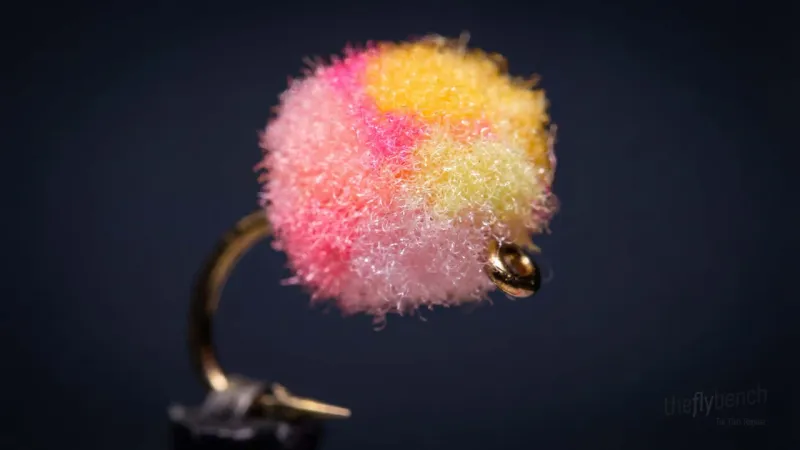
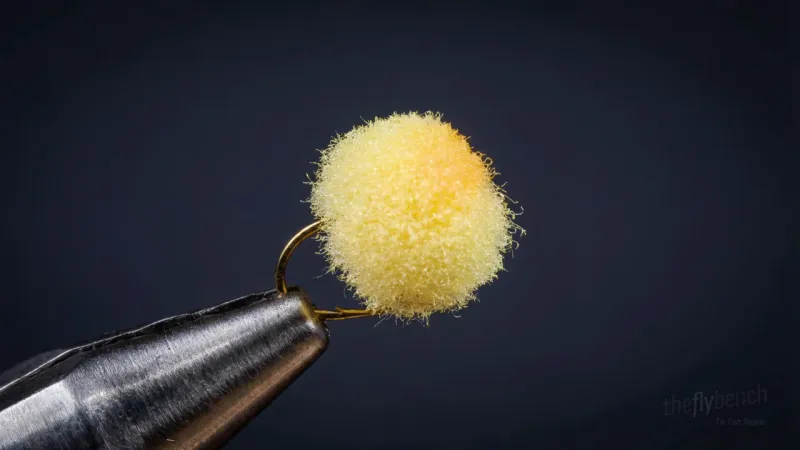
NymphVeiled Egg
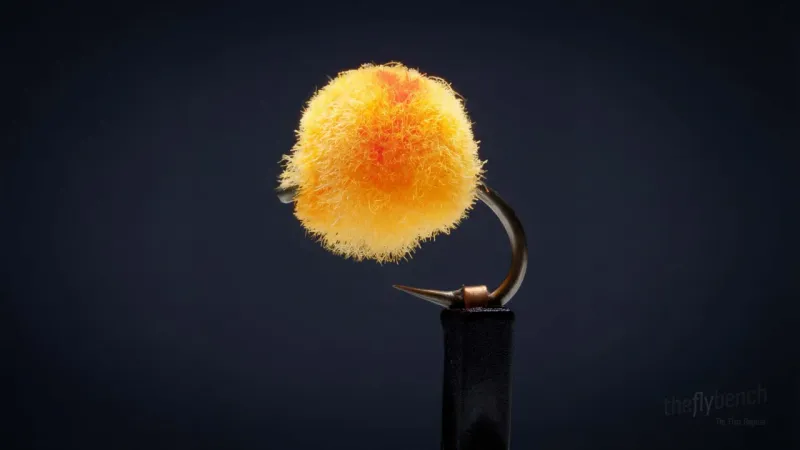
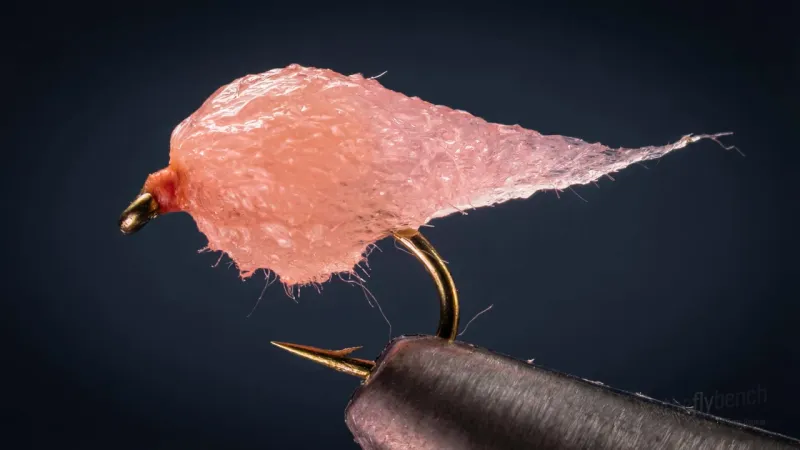
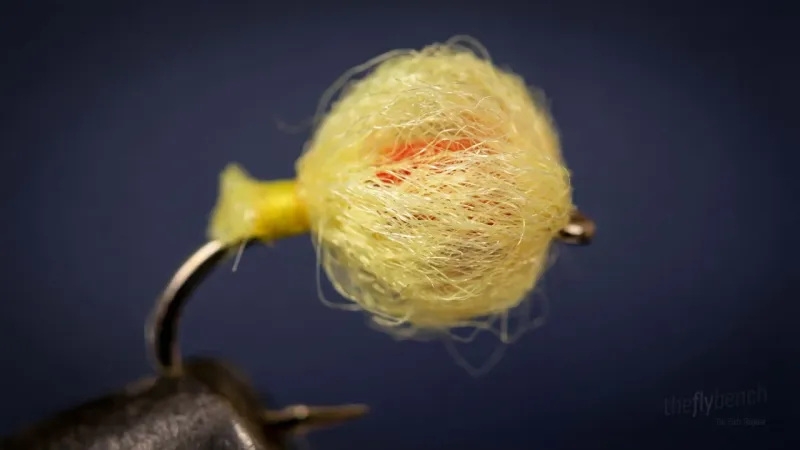
The Veiled Egg imitates a salmon egg coated in fungus, a common food source in rivers with active spawning runs. Its translucent Glo-bug yarn veil over a pink chenille core creates the distinctive appearance of a deteriorating egg. When wet, the veil becomes nearly transparent, revealing the inner body for a remarkably realistic presentation.
Fall, Winter
Beginner
Trout, Steelhead
Feb 2026
Overview
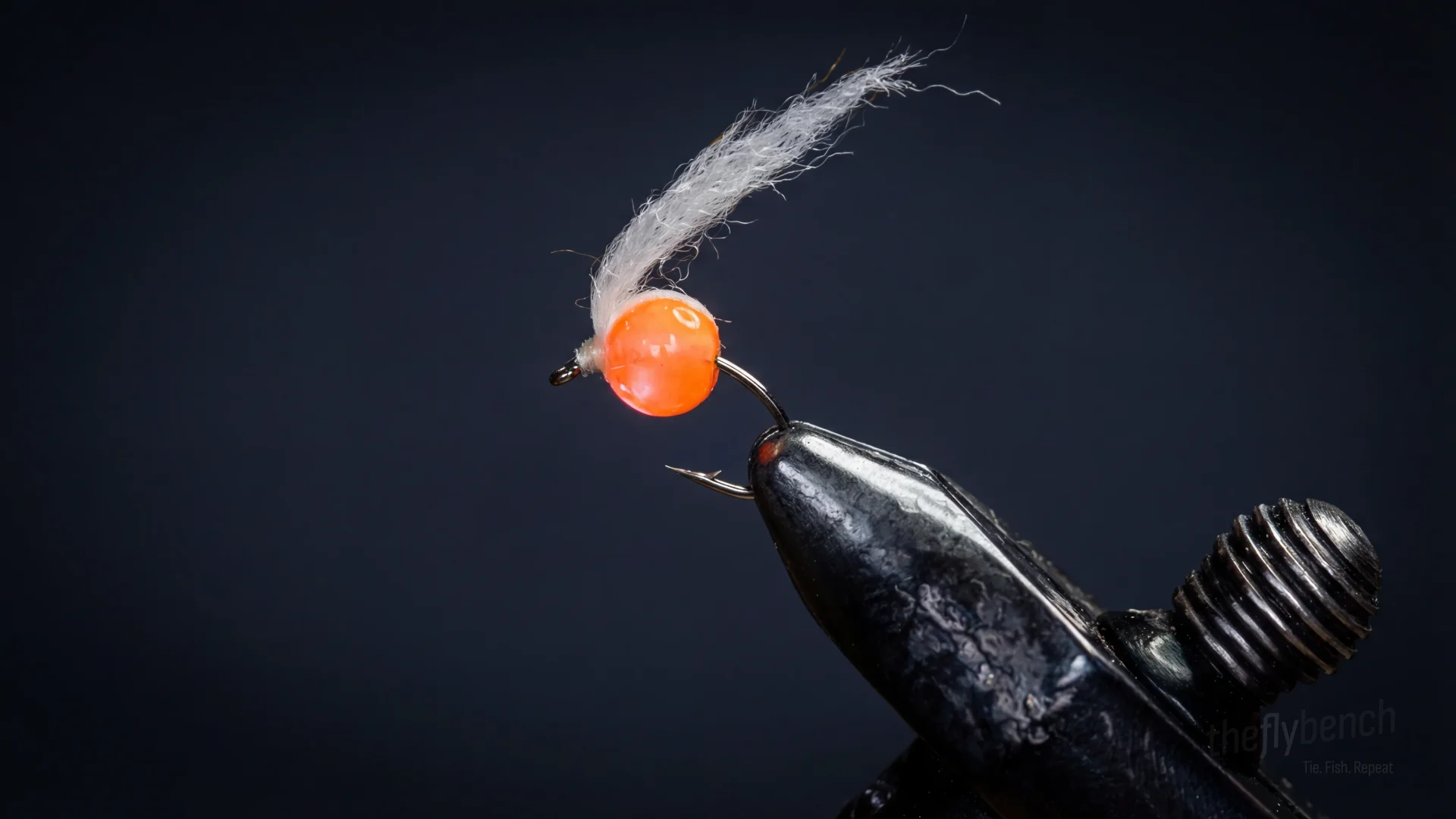
The Veiled Egg originated from Great Lakes steelhead fishing, where anglers noticed trout and steelhead preferring fungus-coated eggs over fresh ones during late-season spawning. The key to this pattern is the translucent veil effect—when wet, the outer Glo-bug yarn becomes nearly see-through, revealing the pink body beneath. Color variations include substituting the veil color (white, pale yellow, or cream) and the body color (peach, orange, or chartreuse) to match local egg conditions.
Where to Buy This Fly
We only link to fly shops we trust. Some links are referral links, which may earn us a commission at no extra cost to you.
Materials
- Hook:
- Dai-Riki #135 or similar scud/egg hook, size #8–#12
- Thread:
- White 6/0 Flymaster
- Veil:
- Cream or yellow Glo-bug yarn, half thickness
- Body:
- Shell pink chenille
Behavior & Presentation
Natural Behavior: Dead salmon eggs tumble along river bottoms in the current, rolling and bouncing as they dislodge from redds and drift downstream. As eggs age, fungal growth creates pale cloudy coatings that increase visibility while the eggs continue their slow tumbling journey through spawning areas.
Where Trout Eat It: Bouncing along the bottom through tail-outs below spawning redds, settling briefly in pocket water before continuing downstream through runs where egg-feeding trout stage.
How to Fish It: Dead drift along the bottom with natural tumbling motion, maintaining contact while allowing the unweighted design to achieve the slow sink rate matching real drifting eggs through spawning zones.
Best Water: Tail-outs directly below active spawning redds, pocket water and current breaks where tumbling eggs pause briefly, and deeper runs where trout hold while feeding on drifting spawn.
Strike Type: Subtle resistance or line tightening as trout intercept drifting eggs with gentle takes, requiring close indicator watching to detect the brief take window.
Fishing Strategy
Rigging Suggestions: Fish under a strike indicator on a 7-9ft 4X-5X fluorocarbon tippet. Set the indicator depth to keep the fly bouncing along the bottom. Add split shot 12-18 inches above the fly to maintain bottom contact. Can also be fished as a dropper below a larger egg pattern or stonefly nymph.
Seasonal Timing: Most productive during fall and winter when salmon spawning activity fills rivers with drifting eggs because this is peak egg availability. Particularly effective in late fall when older eggs have begun to deteriorate and develop the characteristic fungal coating. Best when salmon are actively spawning or have recently finished, leaving deteriorating eggs in the drift.
Pro Tips: The unweighted construction gives a natural, slow sink rate similar to a real drifting egg. The veil creates a subtle, muted appearance that doesn't spook wary fish. When wet, the translucent outer layer produces a remarkably realistic fungal egg appearance that outperforms brighter egg patterns in pressured water.
Entomology
Dead or dislodged salmon eggs tumble along river bottoms, rolling and bouncing in the current until they lodge behind rocks or settle in slack water eddies. As eggs deteriorate, fungus colonizes their membranes, creating a pale, cloudy coating that makes them even more visible to feeding fish. Trout and char relentlessly hunt these nutrient-packed orbs during spawning season, as a single egg delivers concentrated fats and proteins with minimal effort compared to chasing active prey.
- Organism Type
- egg
- Life Stage
- egg