


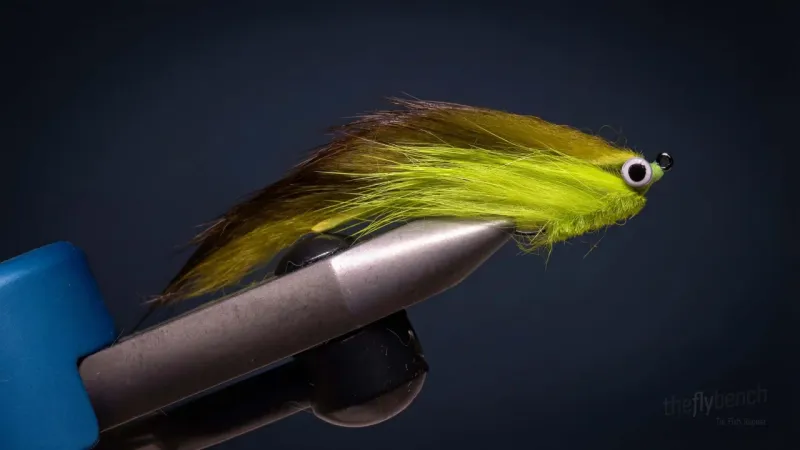


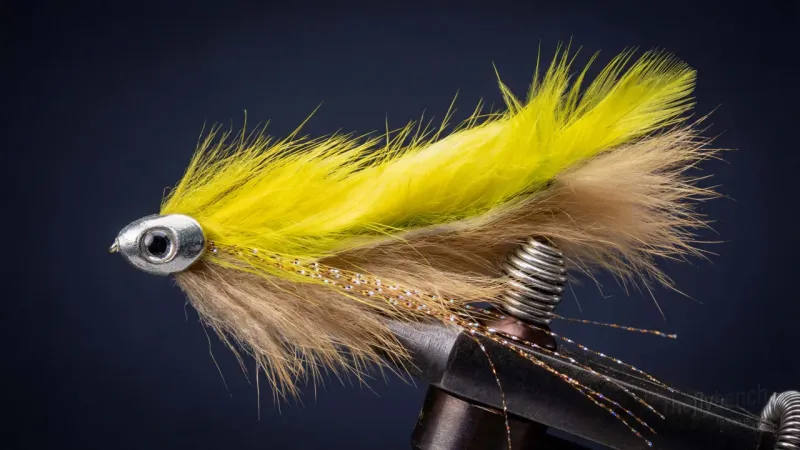
Overview
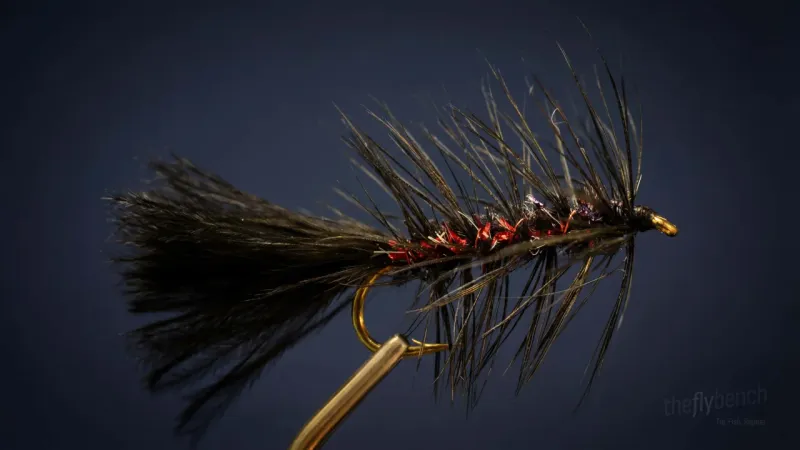
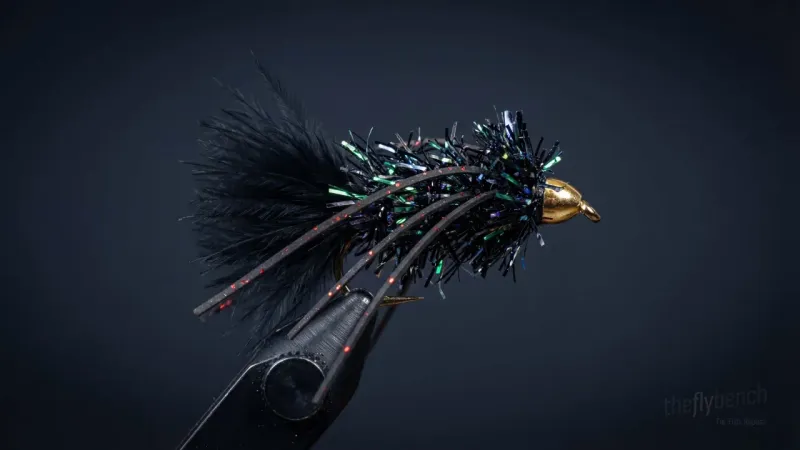
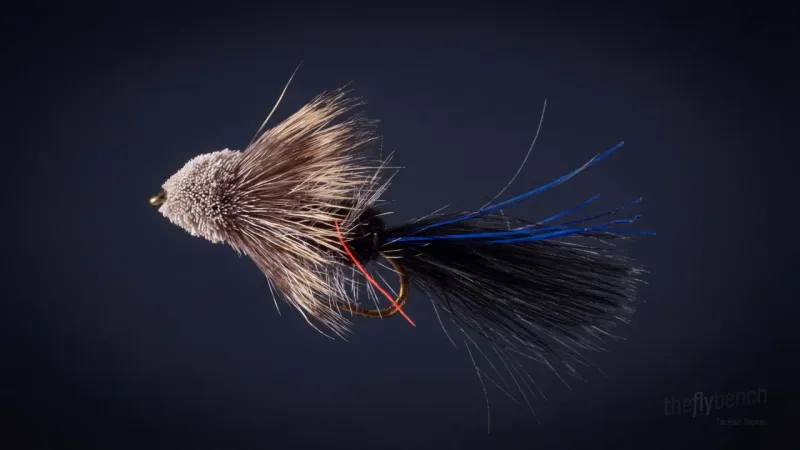
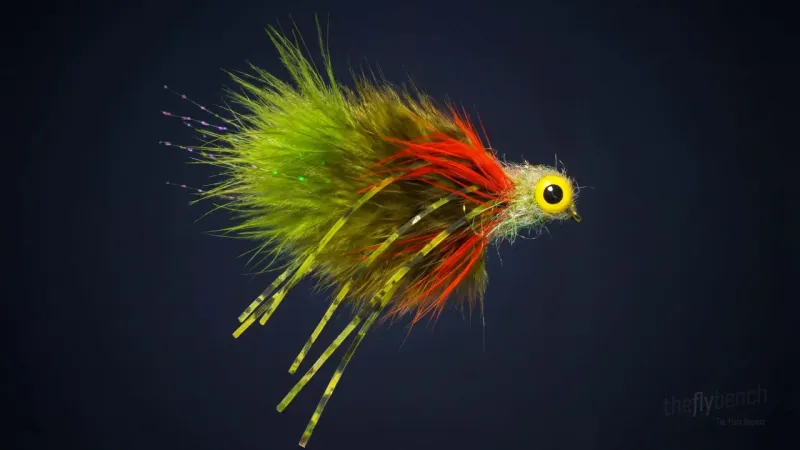
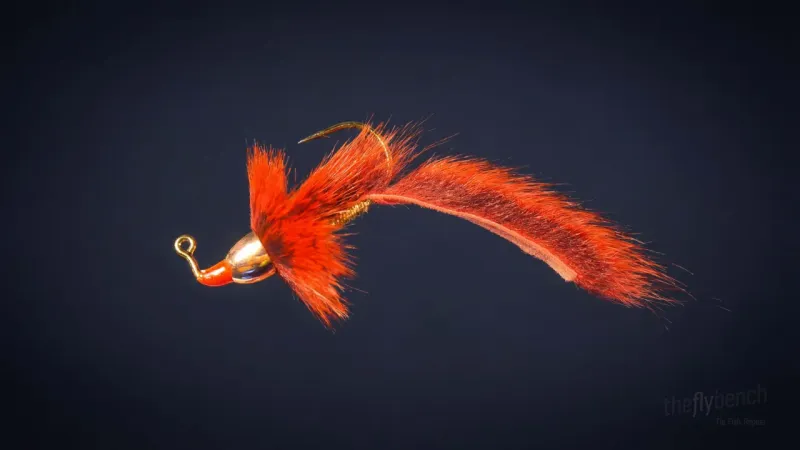
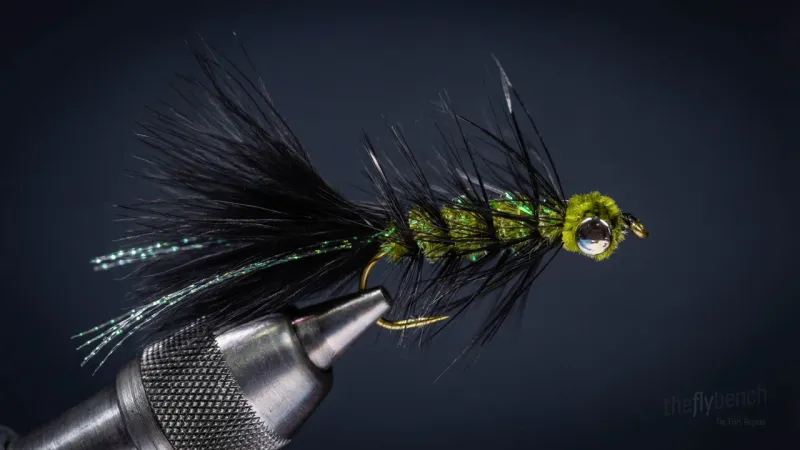
The Fish Skull gives this fly a realistic baitfish profile and the extra weight helps it get down in the water column. It's a versatile pattern that can be tied in many colors to match local baitfish.
Related patterns
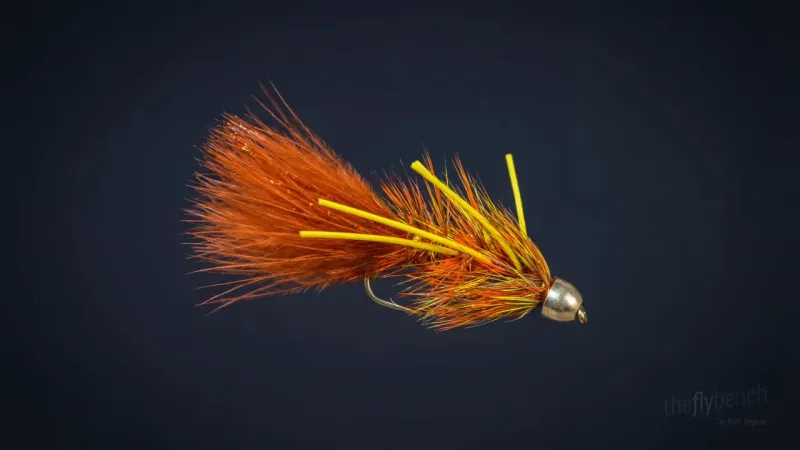
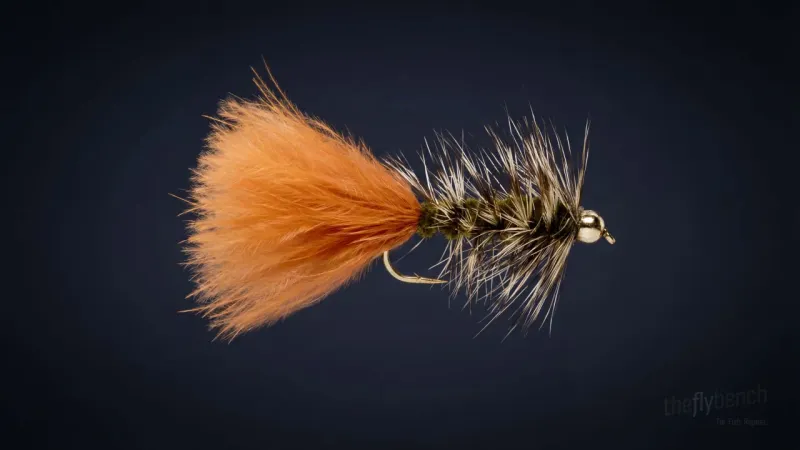
Behavior & presentation
- Natural Behavior
- Sculpins dart between rock crevices in quick bursts while crayfish scuttle backward defensively when disturbed, both exhibiting bottom-oriented movements that predators recognize as vulnerable feeding opportunities. These protein-rich prey become especially available when current dislodges them.
- Where Trout Eat It
- Hugging bottom structure in runs, pools, and along undercut banks where sculpins and crayfish inhabit rocky substrates.
- How to Fish It
- Strip erratically with pauses to mimic the burst-and-rest movement of bottom-dwelling prey attempting escape.
- Best Water
- Work pocket water, drop-offs, and current breaks where sculpins hide and crayfish navigate between cover.
- Strike Type
- Feel aggressive grabs as predators pin the fly against structure or strike during vulnerable movement phases.
Fishing strategy
- Rigging Suggestions
- Fish this fly on a sinking line or with a sink-tip to get it down in the water column. It can also be rigged as the lead fly in a two-fly setup.
- Seasonal Timing
- Effective during peak feeding periods when water temperatures and conditions support active feeding behavior.
- Pro Tips
- The Fish Skull Super Bugger is a sinking fly. Its dark coloration makes it highly visible against lighter backgrounds, and the Fish Skull adds significant weight to the fly, helping it sink quickly.
Where to fish it
Rivers anglers pair with this fly, with local shops that stock it.
River details and fly shops from River & Run, our sister site.
Entomology
Sculpins hug the bottom and dart between rocks in short bursts, while crayfish move backward in defensive postures when disturbed, both presenting erratic, bottom-oriented movement that predators recognize as easy targets. These bottom-dwelling creatures are rich in protein and fat, with soft bodies under their armor that make them worth the effort for trout and bass to pursue. Their vulnerability increases during molting periods and when dislodged by current, when they tumble helplessly through the water column and become especially visible to opportunistic feeders.
- Organism
- baitfish
- Life stage
- general
Pattern details
- Stillwater
- Moving Water
- Rocky Mountain
- Northeast
- active-retrieve
- strip-retrieve
- woolly-bugger-family
- classic
- searching-pattern