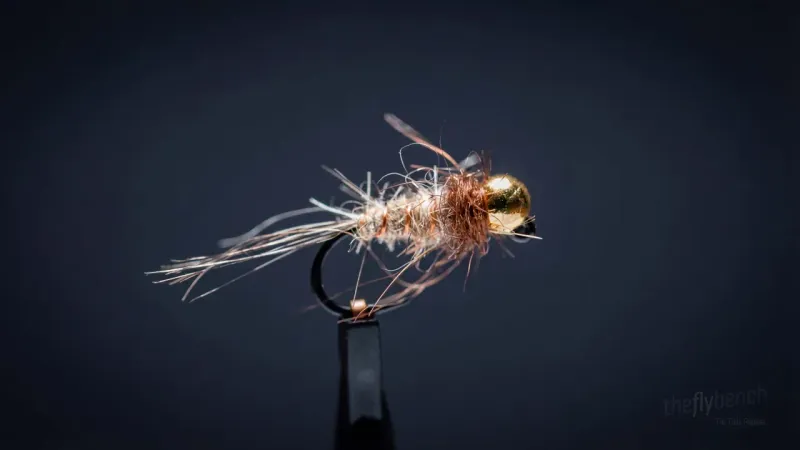
Overview
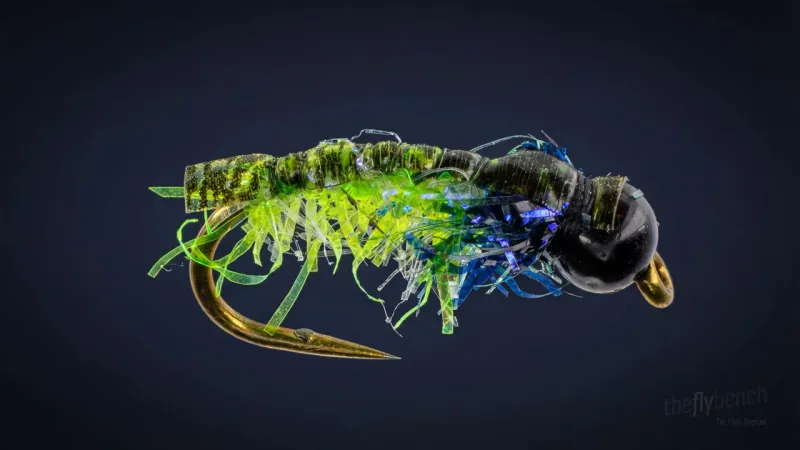
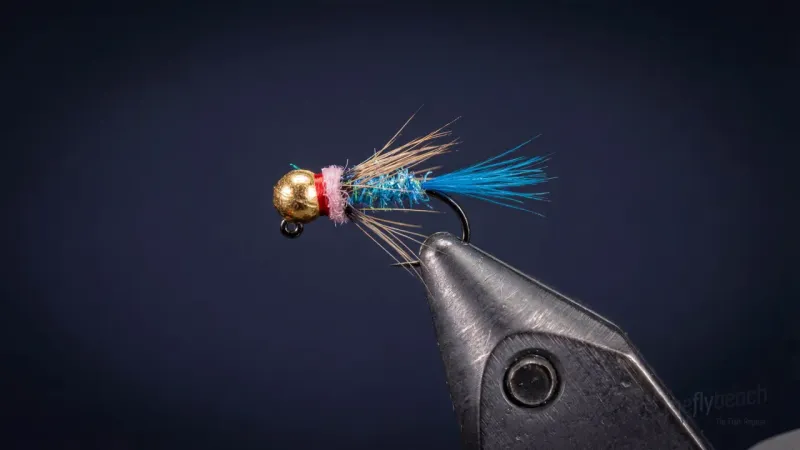
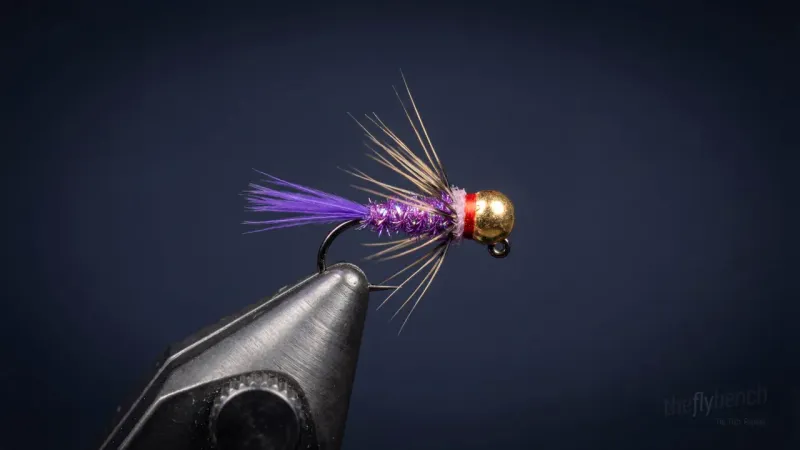
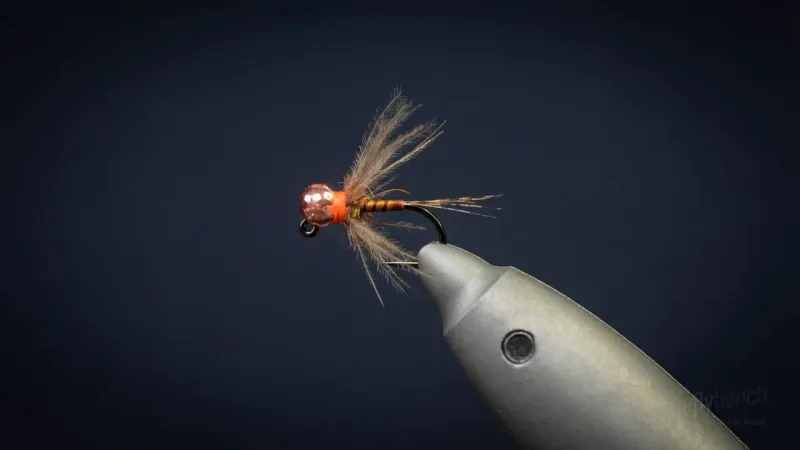
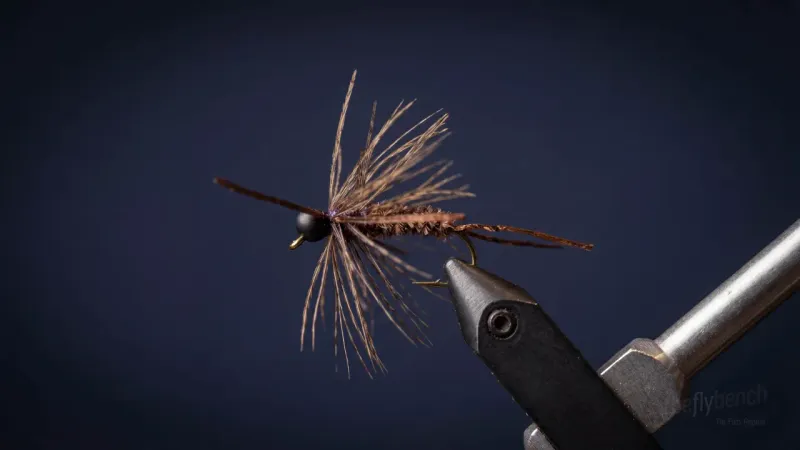
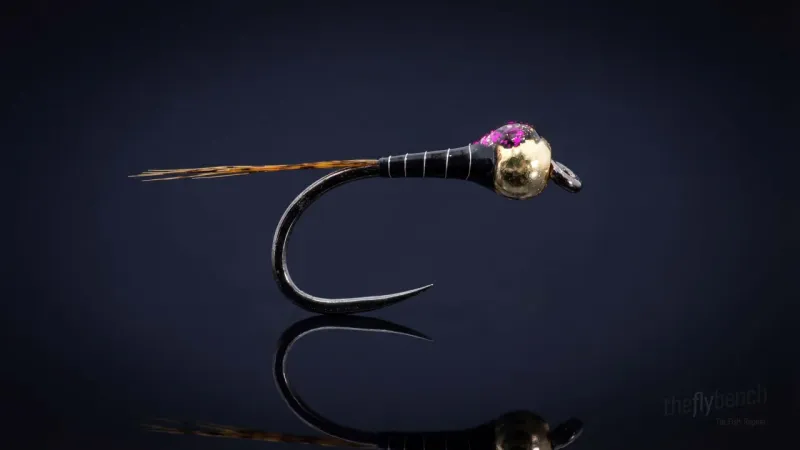
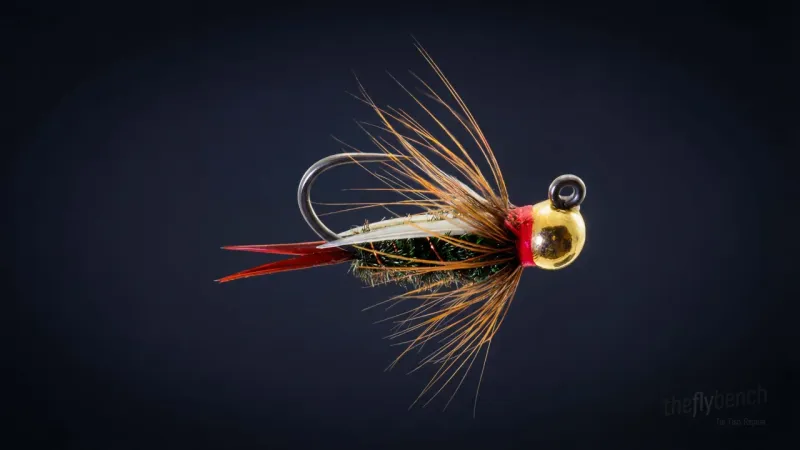
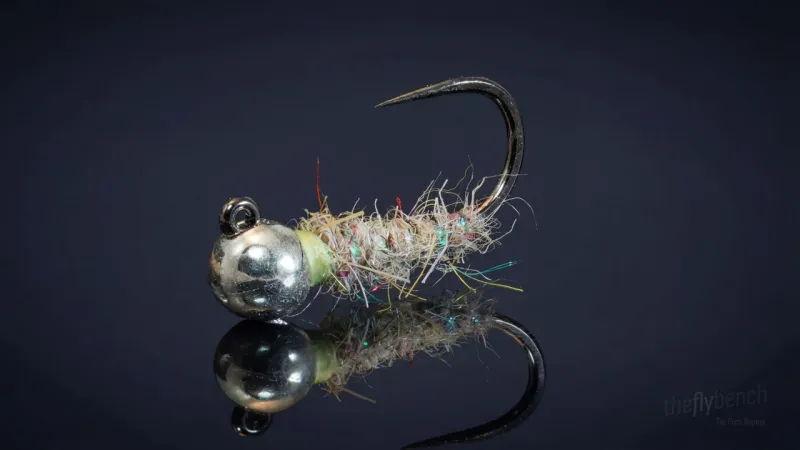
A Euro-nymphing staple, it's tied with a slim profile, heavy tungsten bead, dubbed body (usually in shades like olive or brown), and sparse CDC collar or partridge soft hackle. Designed to get down fast and imitate scuds or caddis larvae.
Related patterns
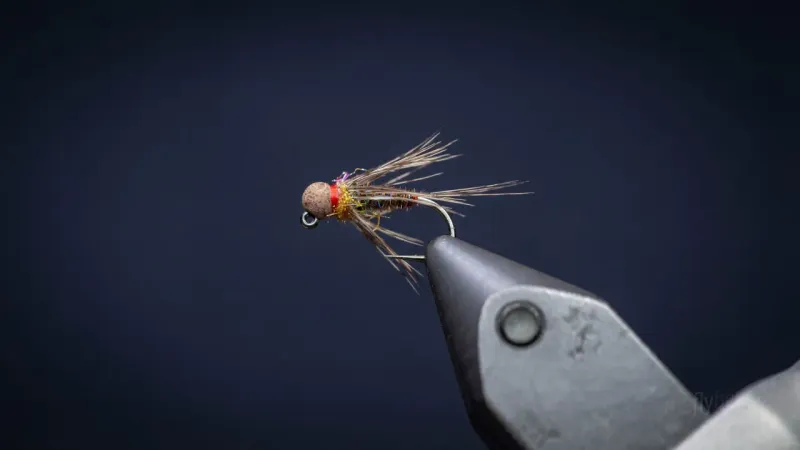
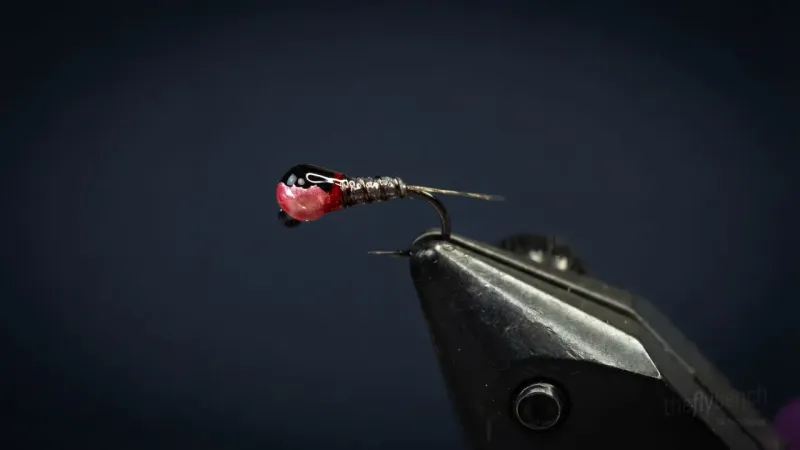
Behavior & presentation
- Natural Behavior
- The heavy bead sinks rapidly to bounce along bottom where dislodged mayfly nymphs cartwheel through fast pocket water. Trout hold in hydraulic cushions, intercepting tumbling nymphs swept from feeding stations.
- Where Trout Eat It
- Trout intercept this in hydraulic cushions behind boulders where dislodged mayfly nymphs tumble through turbulent flow. Fish hold tight to bottom in productive drift lanes.
- How to Fish It
- Use Czech nymphing with rod tip high and tight line. Lob flies upstream, lower tip to 1-2 feet above water leading flies downstream. Allow current to impart natural bottom-bouncing action.
- Best Water
- Focus on boulder pocket water 2-5 feet deep, tight current seams, and hydraulic cushions behind structure.
- Strike Type
- Feel ticks or watch sighter sag. Subtle pauses in drift often indicate takes.
Fishing strategy
- Rigging Suggestions
- Use a heavier nymph as an anchor and tie the Czech Catnip as a dropper. This allows the fly to drift naturally in the current.
- Seasonal Timing
- Best during May-July emergence windows. Fish morning and evening when hatches occur and water temps are 55-68°F.
- Pro Tips
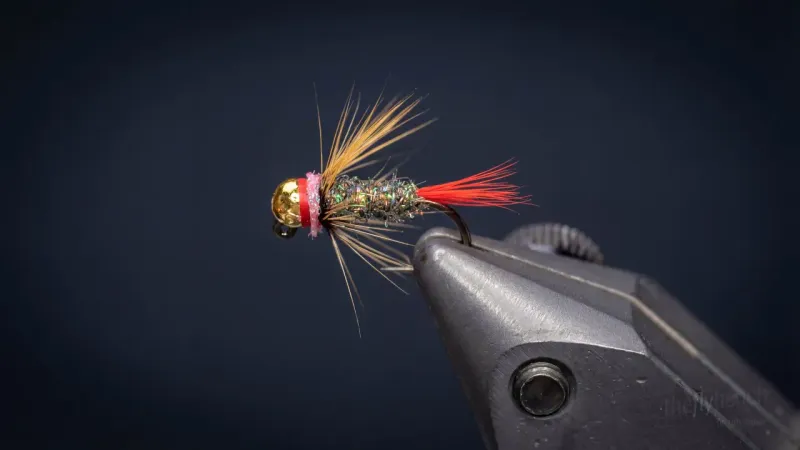
- The Czech Catnip is a sinking fly. The gold bead head helps it get down quickly in the water column and adds a bit of flash to attract fish. The Solarez Bone Dry UV resin coating adds shine and durability to the fly.
Entomology
This Euro-nymph pattern sinks rapidly to dead-drift through the strike zone at nymph-level, imitating mayfly nymphs that tumble helplessly in the current after being swept from feeding stations. The heavy tungsten bead allows it to probe the deepest slots in pocket water where trout hold tight to structure, intercepting it as it bounces along the bottom contour where natural nymphs concentrate in the current seam.
- Order
- Ephemeroptera
- Common name
- Mayfly
- Organism
- insect
- Life stage
- nymph
Pattern details
- Moving Water
- Europe
- tight-line-nymph
- competition
- dead-drift
- baetis-hatch
- caddis-hatch
- classic
- guide-fly
- searching-pattern
- swing