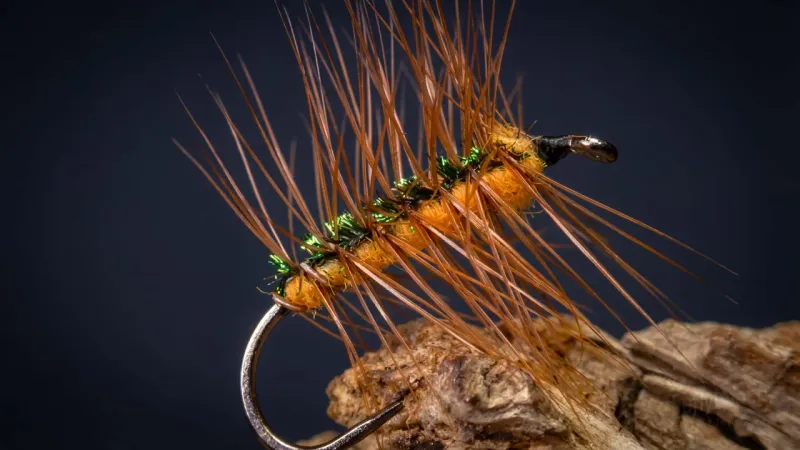
NymphClouser Swimming Nymph
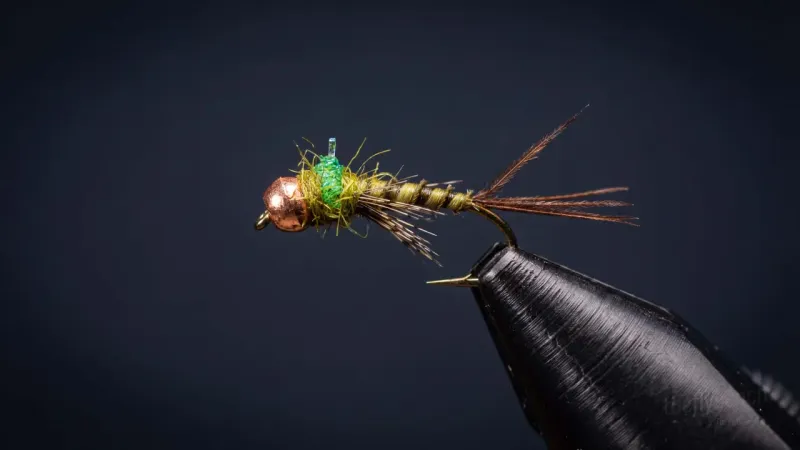
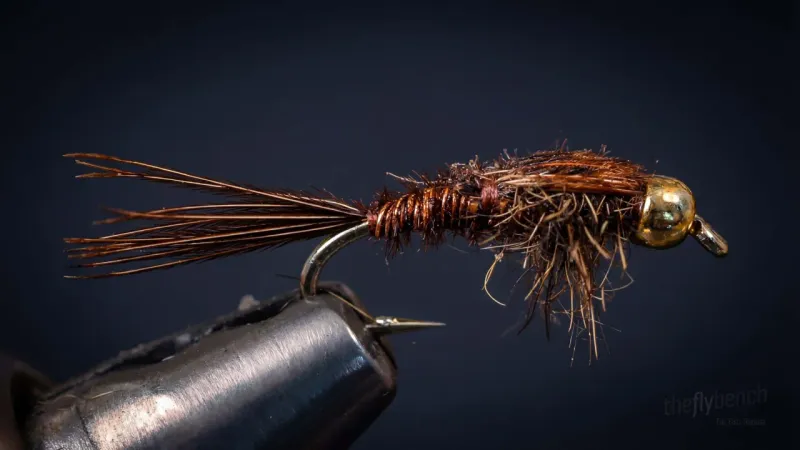
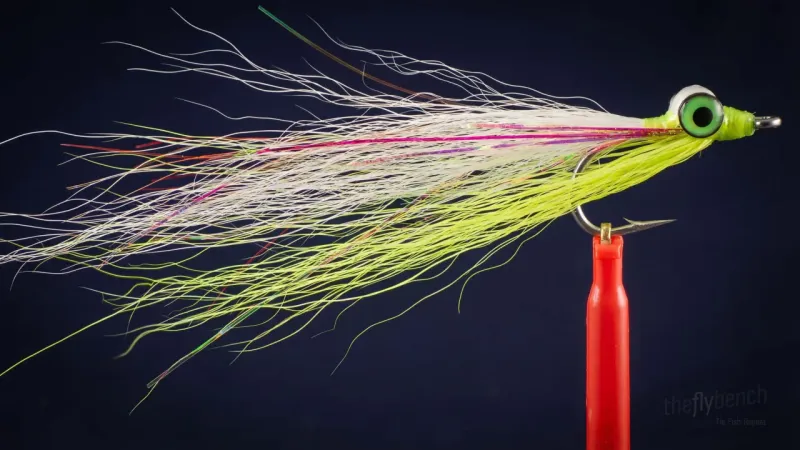
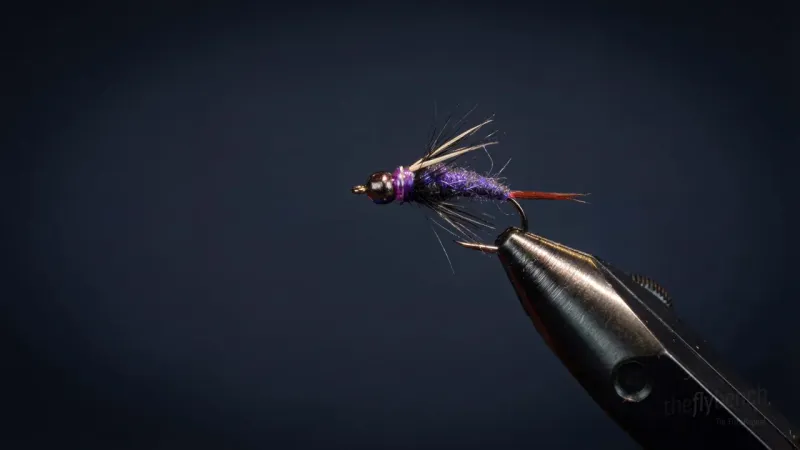
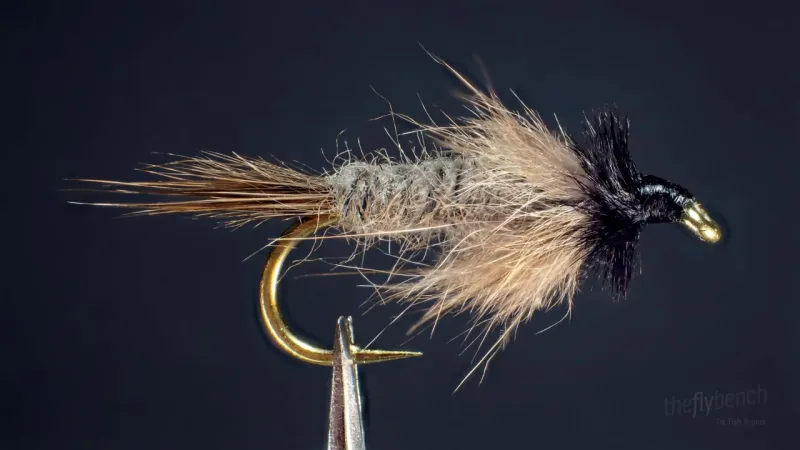
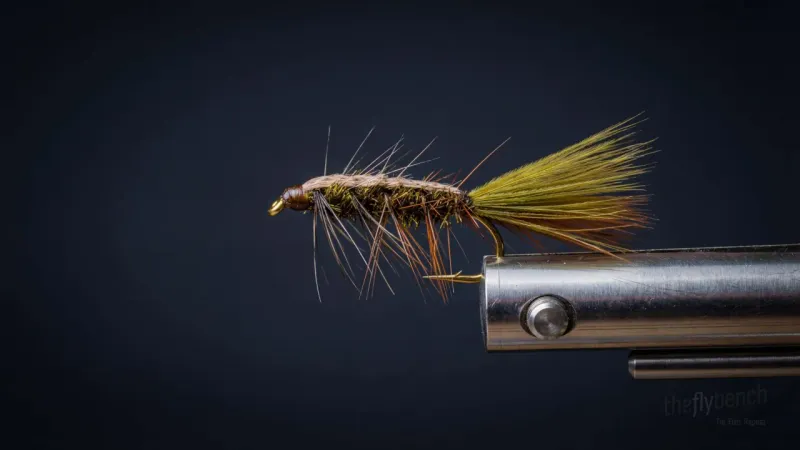
The Clouser Swimming Nymph blends nymph and streamer design, built to imitate a swimming nymph darting through the current. A lead wire underbody adds weight while an olive marabou tail and partridge legs give it constant motion, making it convincing when stripped or swung.
Spring, Summer, Fall
Intermediate
Trout
Apr 2025
Overview
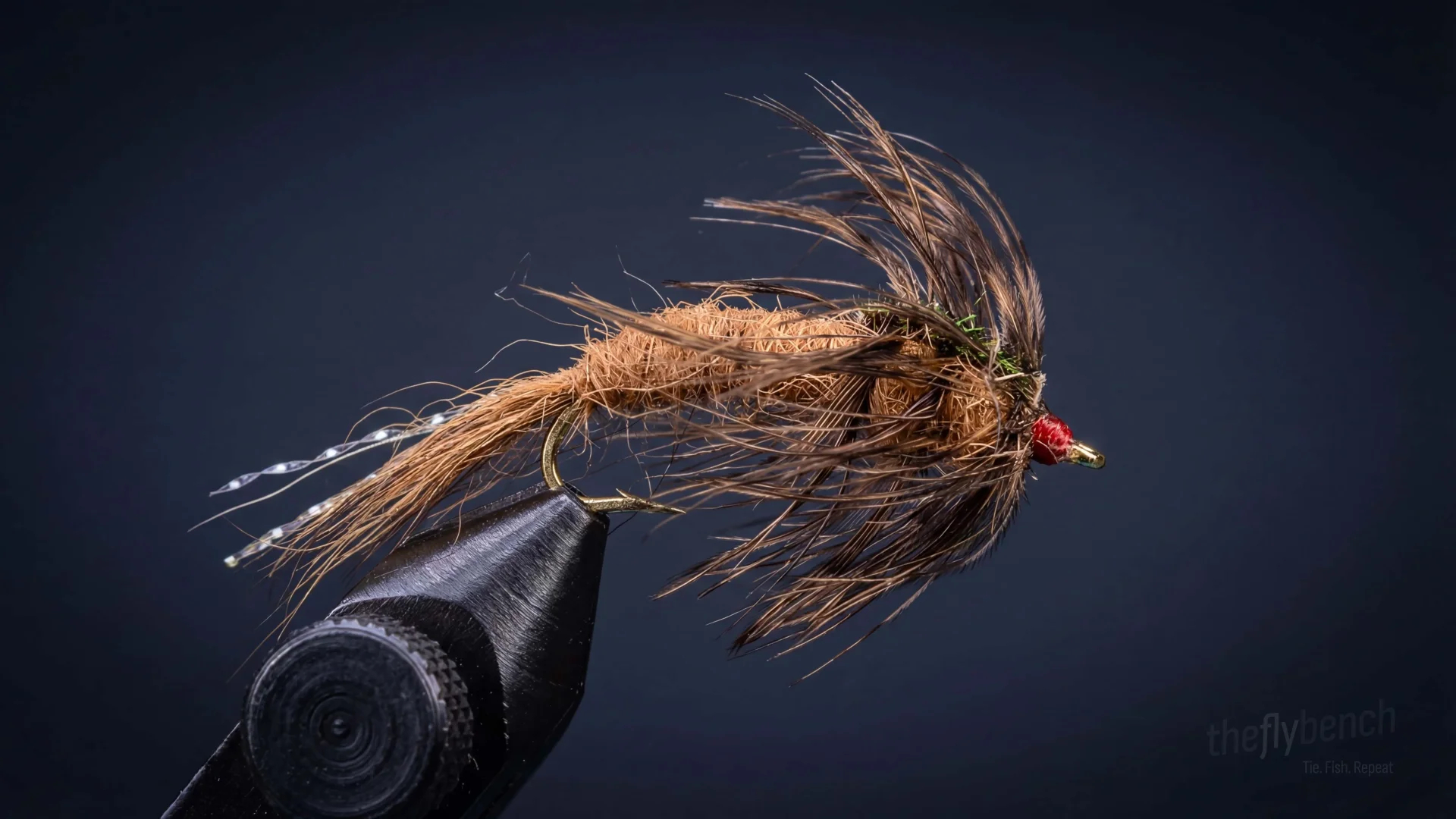
Combining features of both nymphs and streamers, this fly is tied with an olive marabou tail, an olive hare's ear dubbed body ribbed in gold wire, and partridge soft hackle legs for constant movement. A pearl Flashabou wingcase adds a touch of flash, while wraps of lead wire under the body give it a fast sink rate. It's a slim, suggestive profile designed to swing or strip like a juvenile baitfish or emerging nymph.
Where to Buy This Fly
We only link to fly shops we trust. Some links are referral links, which may earn us a commission at no extra cost to you.
Materials
- Hook:
- Tiemco 3769, size #12–#16
- Thread:
- Olive Dun 8/0 Uni-Thread
- Weight:
- .025 lead wire
- Tail:
- Olive marabou
- Body:
- Olive hare's ear dubbing
- Ribbing:
- Gold wire
- Wingcase:
- Pearl Flashabou
- Legs:
- Partridge feather
Behavior & Presentation
Natural Behavior: Swimming nymphs pulse through mid-column with rhythmic undulations, their weighted heads creating a diving action as they migrate between structure. This active movement triggers predatory instincts.
Where Trout Eat It: Fish intercept swimming nymphs in tail-outs, weed edges, and runs where nymphs travel between feeding areas.
How to Fish It: Dead drift with occasional twitches to activate the swimming motion, or strip retrieve along weed edges. The weighted head dives when twitched.
Best Water: Target tail-outs where nymphs concentrate, weed edges providing cover, and runs with consistent depth.
Strike Type: Feel sudden weight or watch the indicator dip as fish grab the swimming nymph.
Fishing Strategy
Rigging Suggestions: Use a 9-foot tapered leader with 5X tippet for moving water, 6X for lakes. Fish alone on a long leader or as point fly in a two-fly rig with a smaller nymph as dropper.
Seasonal Timing: Most productive from April through October, with peak effectiveness during May-June and September when nymphs are most active. Can work in early if water temperatures remain above 40°F.
Pro Tips: The flash from the wingcase triggers strikes in murky conditions. In lake, fish it on a slow hand-twist retrieve along weed edges at dawn and dusk.
Entomology
Active swimming nymphs pulse through mid-water columns with rhythmic undulations, using their gills and tails to propel themselves between weed beds and structure in lakes and slow river sections. Fish chase these mobile prey items because their swimming motion triggers predatory instincts, mimicking distressed or migrating behavior. The erratic swimming pattern and mid-column positioning make them visible targets that trout and bass pursue aggressively when nymphs migrate or disperse.
- Organism Type
- insect
- Life Stage
- nymph