

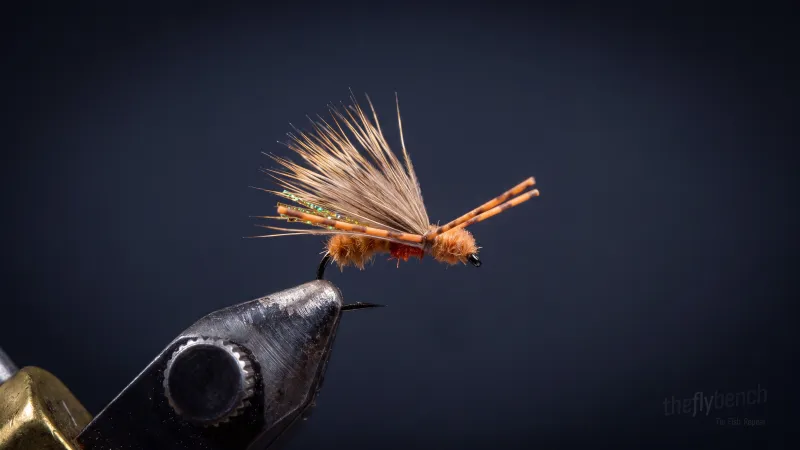
Overview
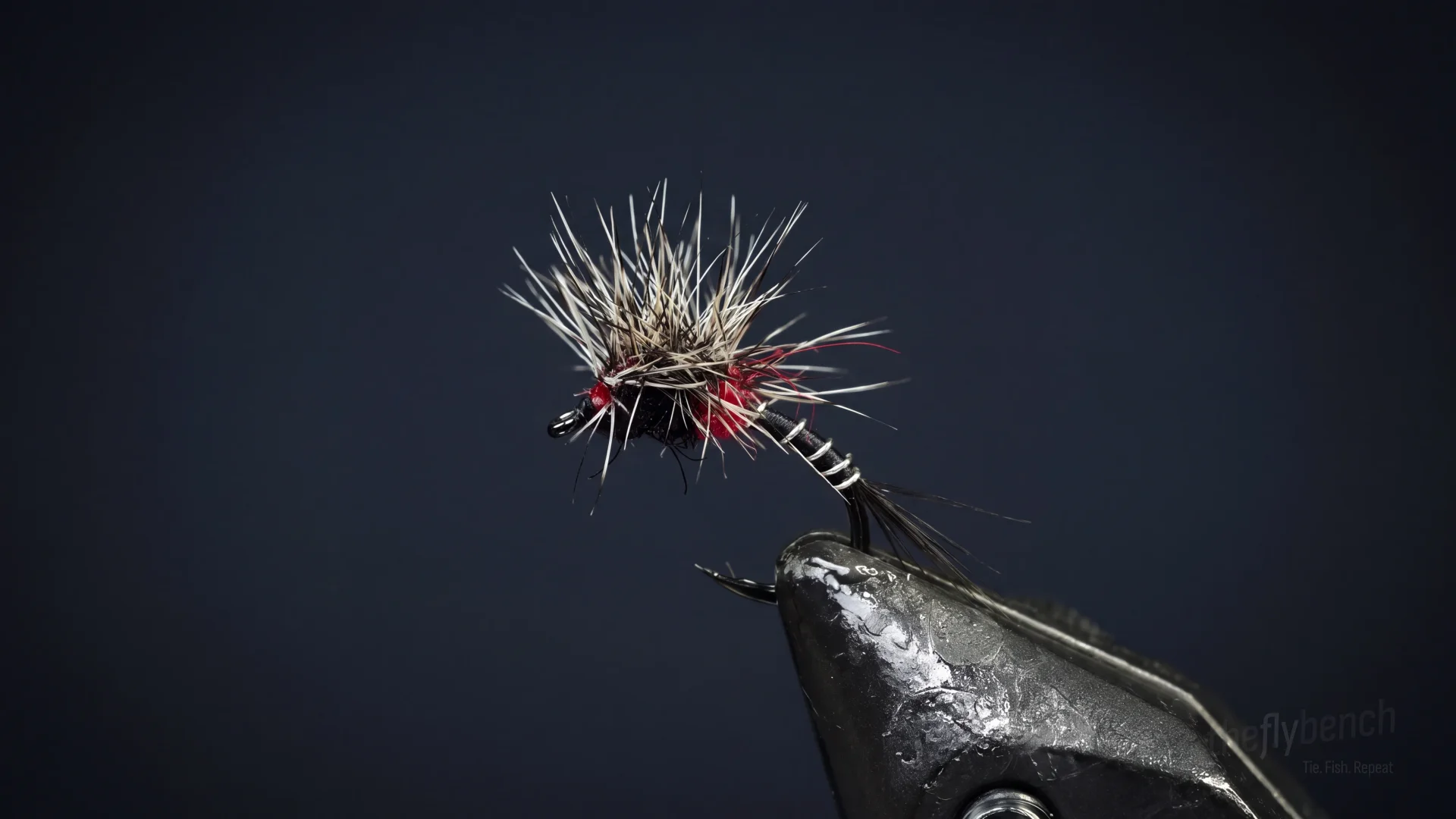
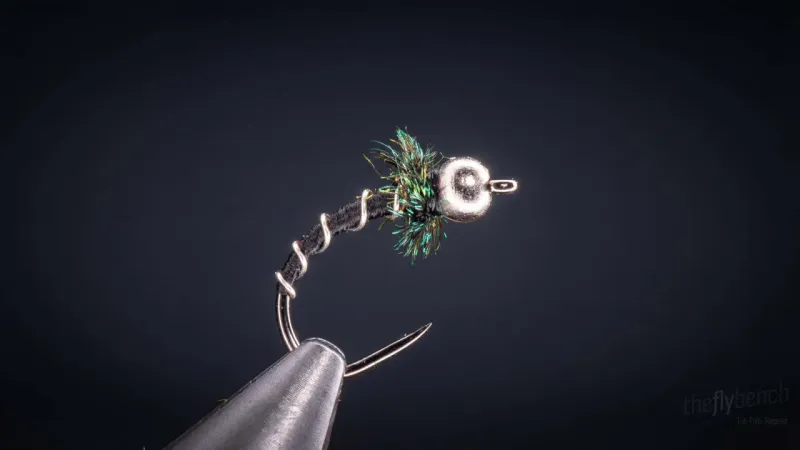
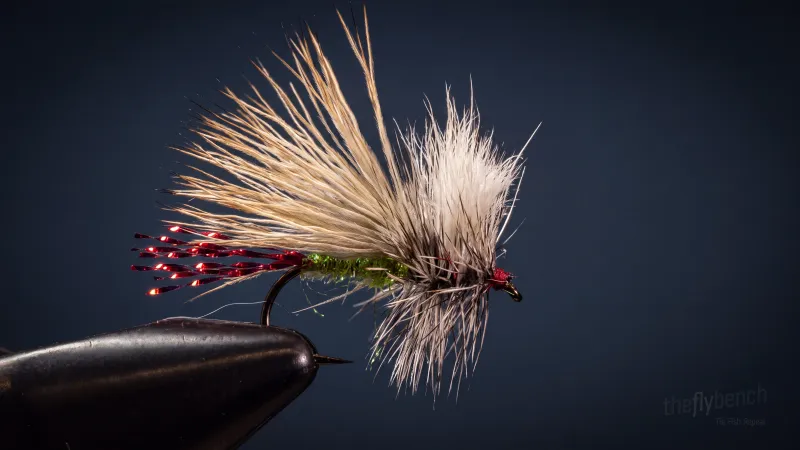
Cheech of Fly Fish Food designed the SUS as a dry fly take on the SOS nymph his friend of more than 20 years, Spencer Higa, made famous. The curved Czech nymph hook lets the slim, wire-ribbed abdomen hang below the film, while a red Flex-Floss post lets the grizzly hackle be wound and then stacked over the thorax so the fly rides upright. The name also stands for "suspicious," and it can be tied in other colors and sizes.
Related patterns
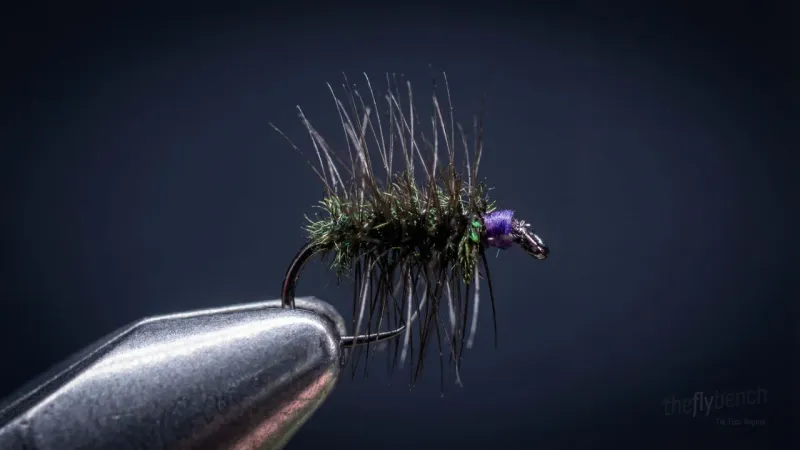
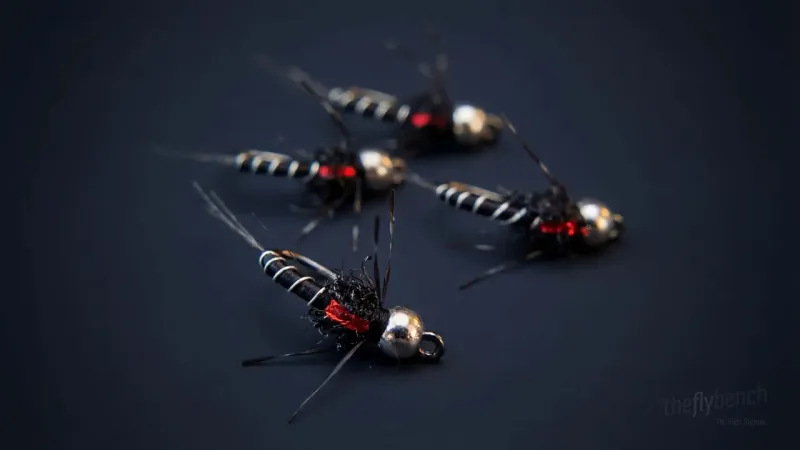
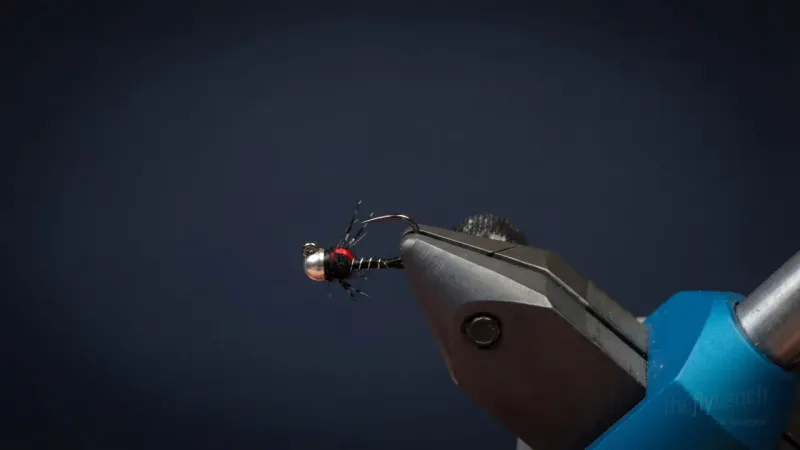
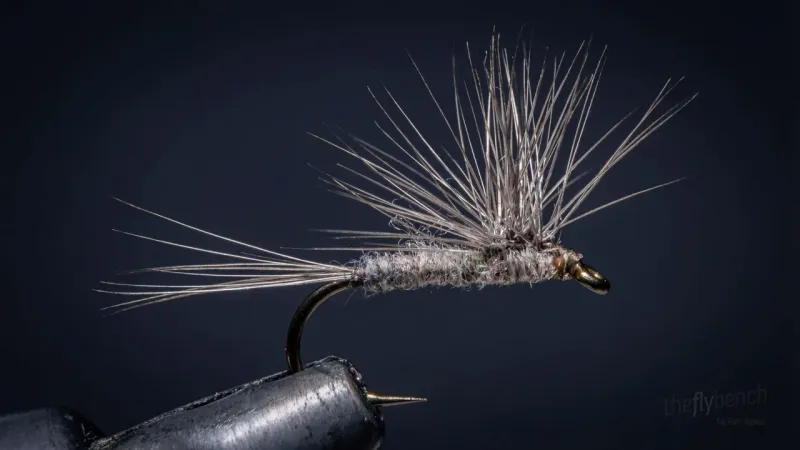
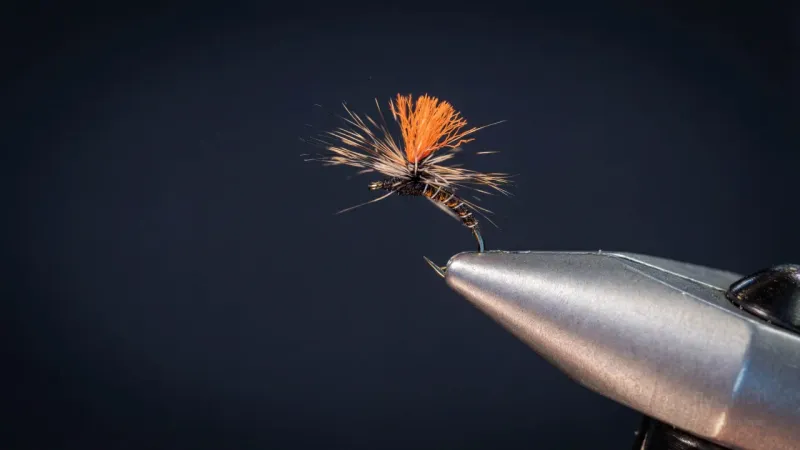
Behavior & presentation
- Natural Behavior
- Small dark insects hatching on cold-weather rivers hang from the underside of the film for a few seconds, abdomen dangling, while they push free of the pupal skin.
- Where Trout Eat It
- Trout hold just under the surface in slow, even currents and pick off stuck emergers with quiet, repeated rises.
- How to Fish It
- Cast a few feet above a rising fish and let the fly drift with no drag, its hackle pad floating and the curved body hanging into the film.
- Best Water
- Flat glides below riffles, soft seams along weed beds, foam lines in back eddies and the slick water above a tail-out.
- Strike Type
- A small sip or nose poke where the grizzly hackle was, often with no splash, so lift gently on any break in the drift.
Fishing strategy
- Rigging Suggestions
- Use a 9- to 12-foot leader to 5X or 6X tippet. It floats well enough to carry a small SOS or Zebra Midge on 16 to 20 inches of fluorocarbon as a dry-dropper.
- Seasonal Timing
- Best on tailwaters and spring creeks from fall through spring, when midges and small Baetis hatch on overcast afternoons and trout feed in the film.
- Pro Tips
- Dress only the hackle with floatant so the abdomen sinks into the film. When fish refuse a standard Griffith's Gnat or parachute, the low hackle pad and red hot spot give them a different look.
Entomology
- Order
- Diptera
- Family
- Chironomidae
- Common name
- Midge
- Organism
- insect
- Life stage
- emerger
Pattern details
- Moving Water
- Rocky Mountain
- dead-drift
- modern
- midge-hatch
- baetis-hatch
- tailwater
- low-clear-water
- dry-dropper