


Overview
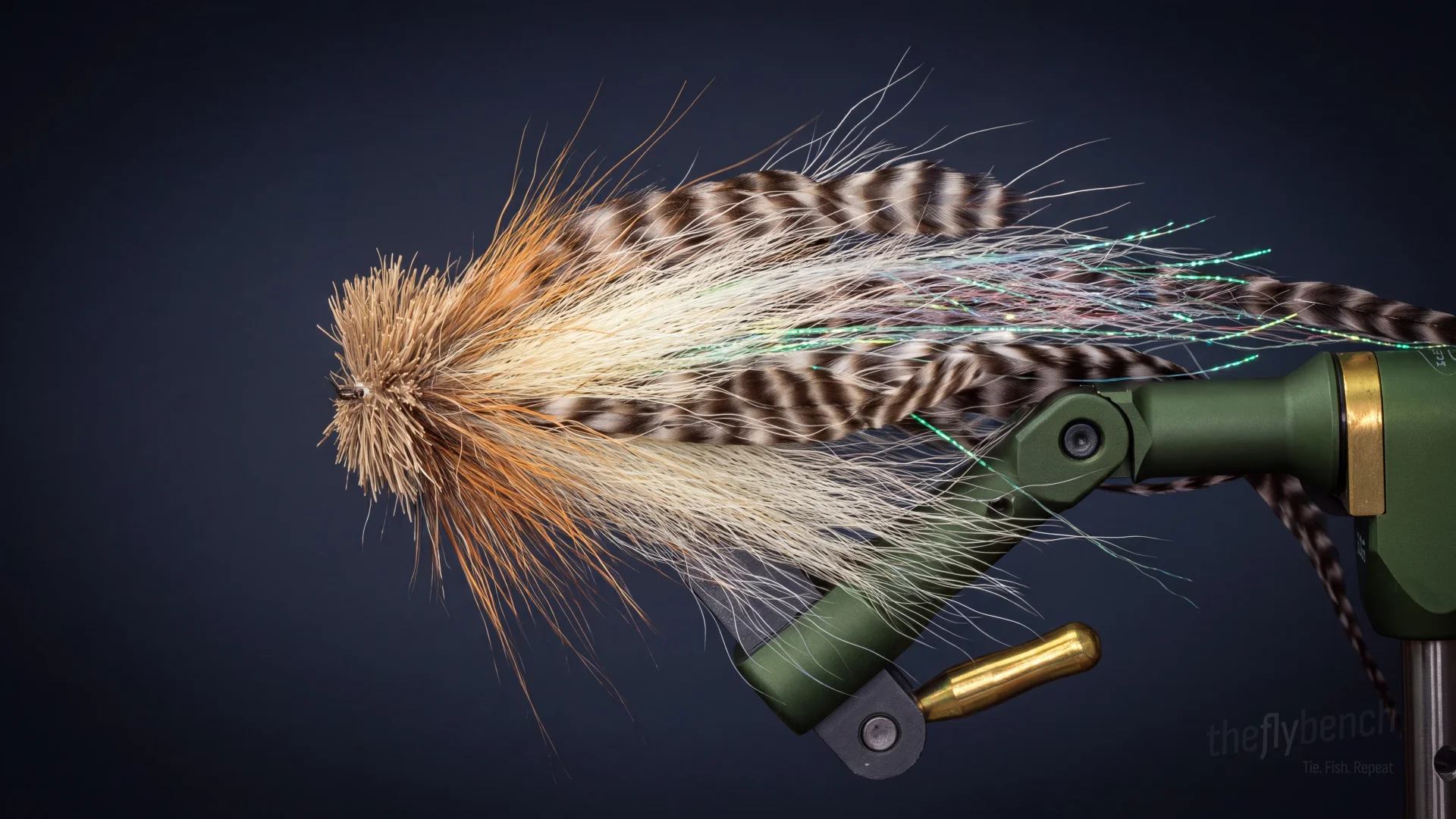
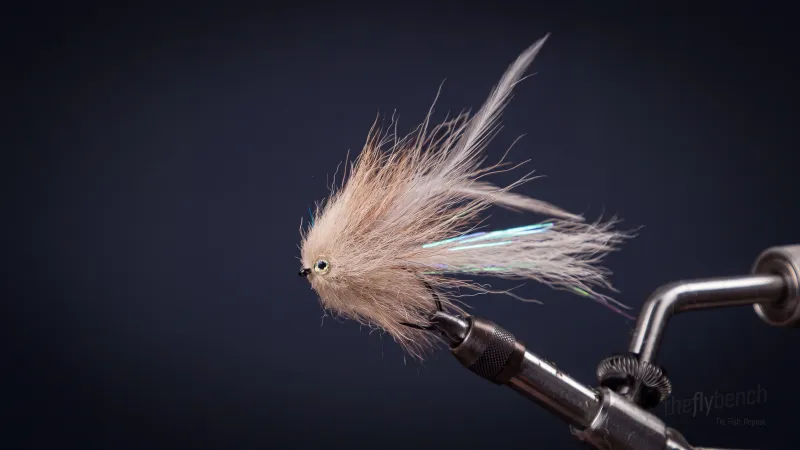
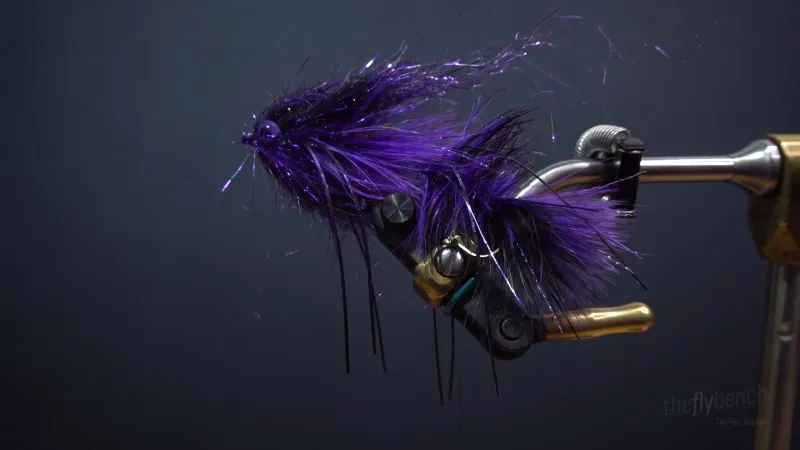
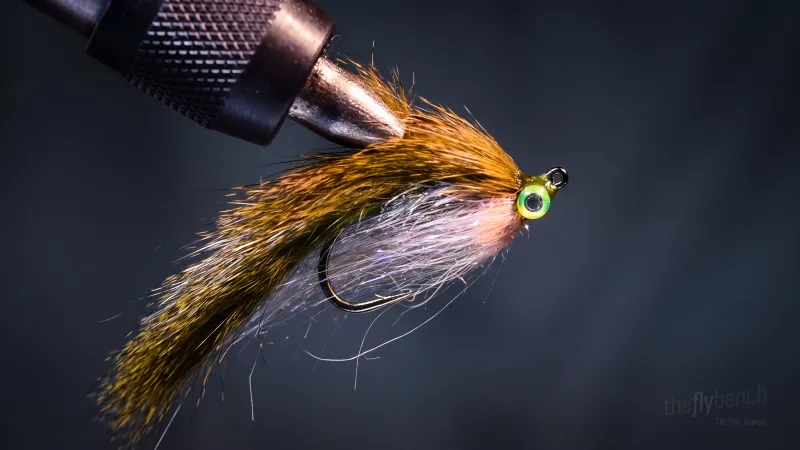
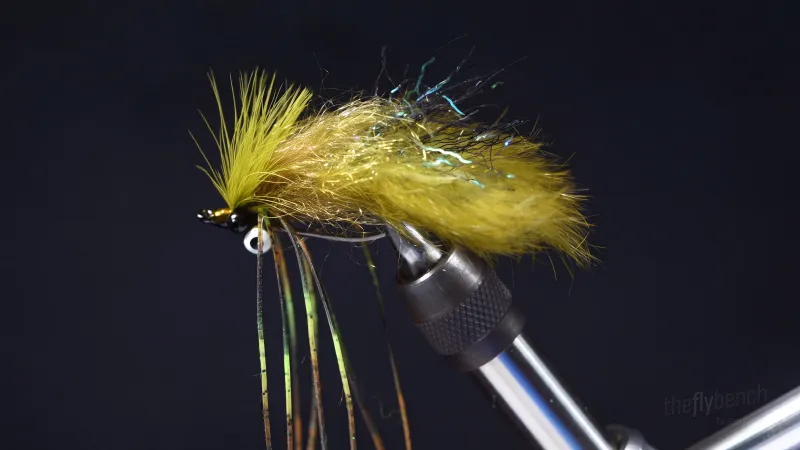
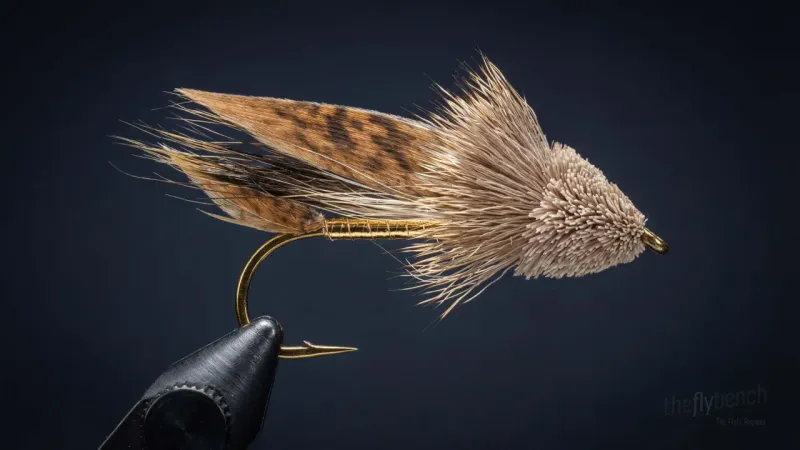
Bohen, a Wisconsin musky guide, combined ideas from Dahlberg's Diver, Popovics' hollow ties and the Muddler into a fly whose stiff bucktail collar moves water like a lure. Tie the bucktail in three bands that get thicker toward the eye, and use hair from the base of the tail for the head. GSP thread and super glue keep it intact after repeated strikes.
Related patterns


Behavior & presentation
- Natural Behavior
- Suckers, ciscoes and big perch swim steadily along weedlines and breaks, and a musky shadowing one waits for it to stall or turn before closing the gap.
- Where Trout Eat It
- Musky and pike hold tight to cabbage beds, rock bars and wood, rising to grab a large meal that wanders out over the edge of that cover.
- How to Fish It
- Cast to structure on a sink-tip, then make long, steady strips broken by pauses so the bulky collar thumps and the tail breathes. At the boat, finish every retrieve with a wide figure-eight.
- Best Water
- Outside weed edges, rocky points, mid-lake humps, river current breaks below wood, and the drop-off where a shallow flat falls into deep water.
- Strike Type
- Often a heavy stop on the pause or a sudden lunge during the figure-eight after a long follow; strip-set hard and sweep the rod low to drive the 3/0 point home.
Fishing strategy
- Rigging Suggestions
- Fish a 10-weight rod with a sink-tip or intermediate line to cast and sink the bulky, water-holding fly. Run a short, stout leader of 60- to 80-lb fluorocarbon or a wire bite tippet, tied to the fly with a loop knot.
- Seasonal Timing
- Productive from the spring opener through late fall. Summer evenings and overcast days are good, and fall turnover often gives the best shot at a big fish when musky feed heavily before winter.
- Pro Tips
- The broad head shines in stained or high water and low light, when fish track it by feel. Tie a sparser version for clear water, and swap to darker colors in tannic rivers.
Entomology
Suckers, ciscoes and yellow perch are core forage for musky and pike in northern lakes and rivers. They move along weed edges and rocky breaks, and the biggest predators single out the largest prey because one big meal is worth more than many small chases.
- Common name
- Large Baitfish
- Organism
- baitfish
- Life stage
- general
Pattern details
- Moving Water
- Stillwater
- Midwest
- Great Lakes
- strip-retrieve
- active-retrieve
- high-water
- searching-pattern
- modern