


Overview
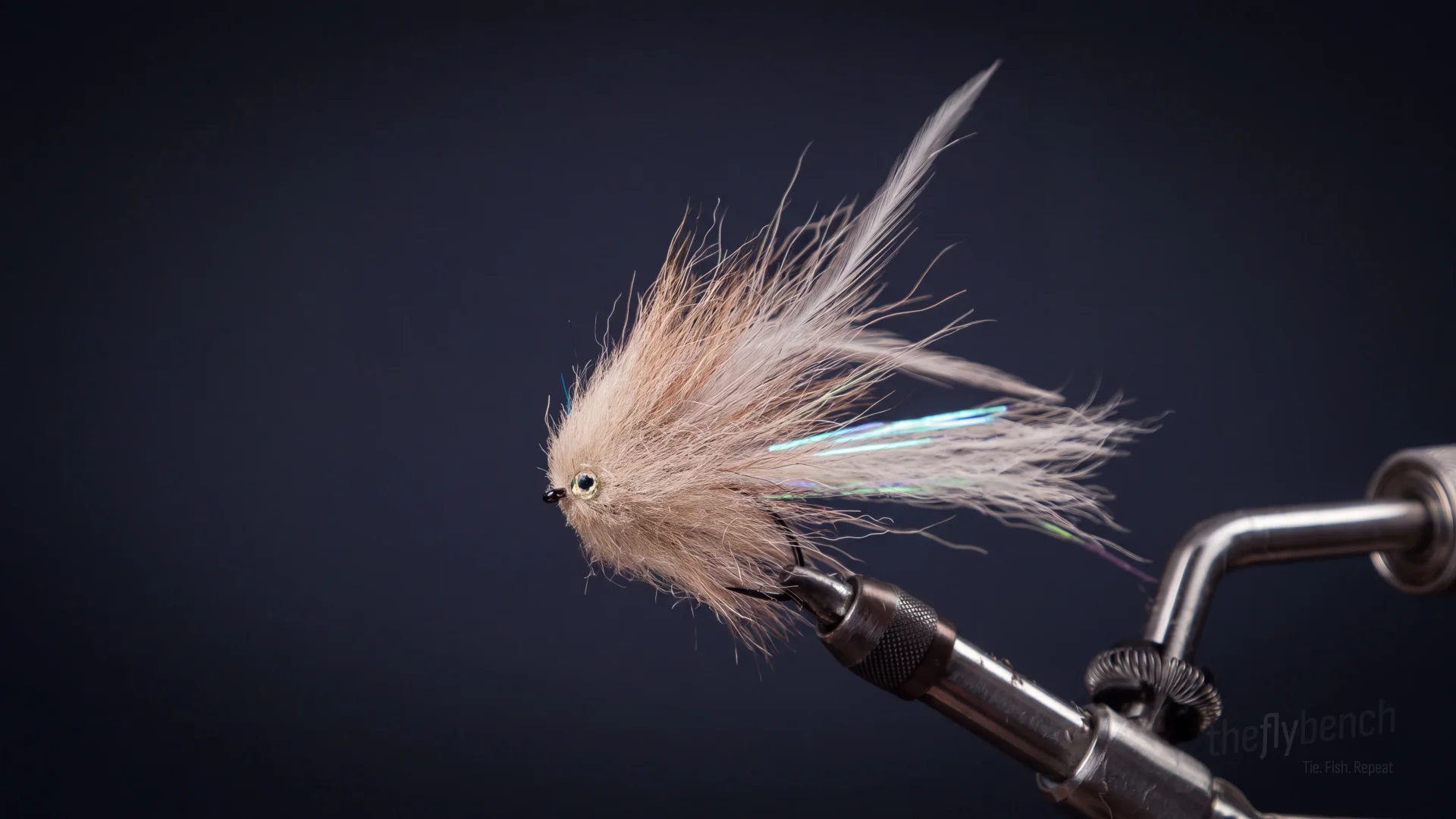
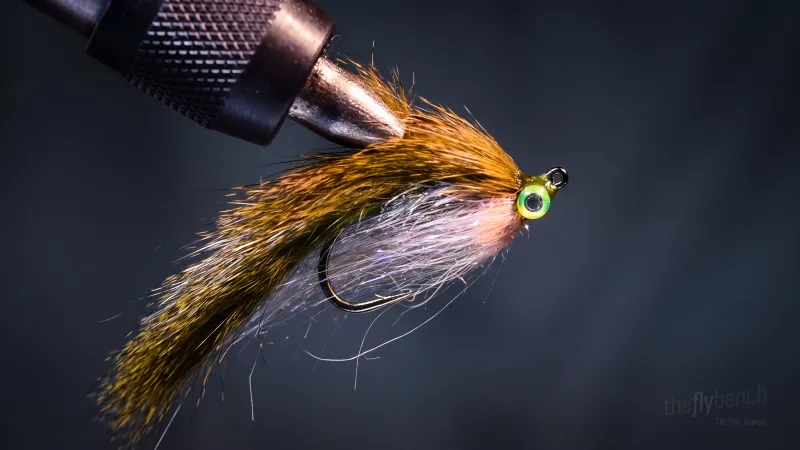
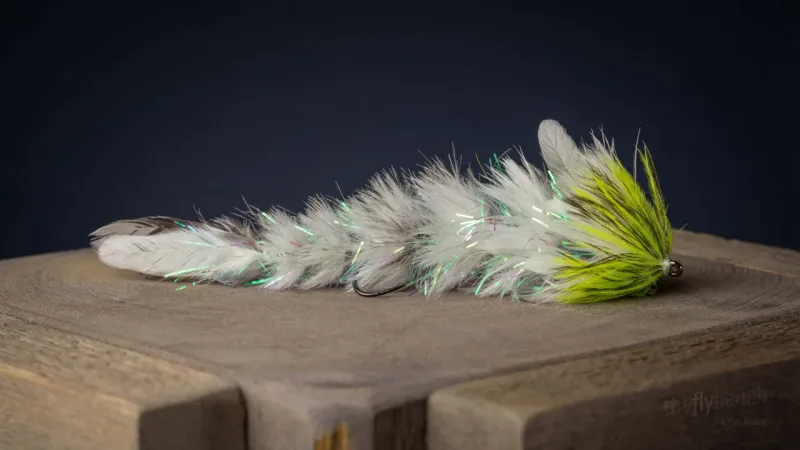
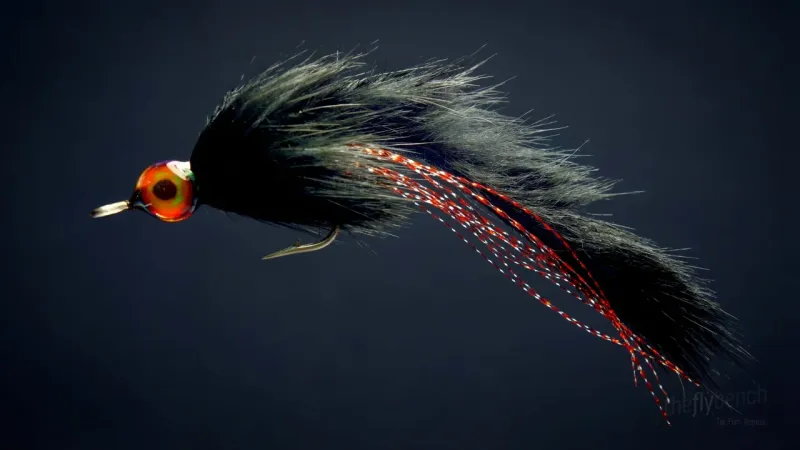
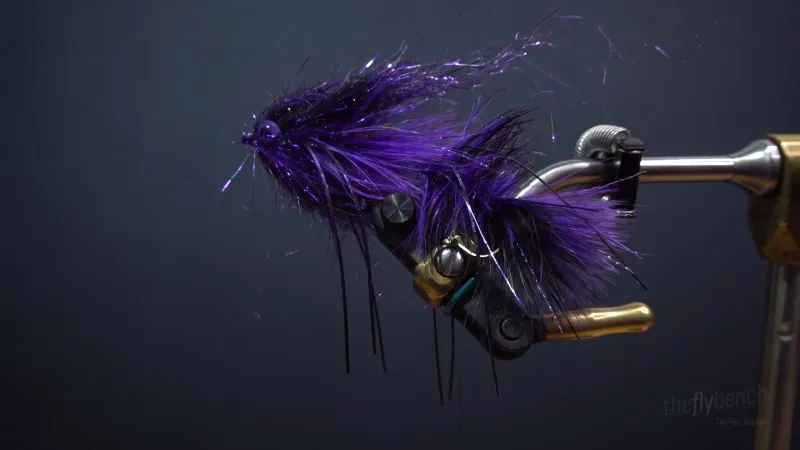
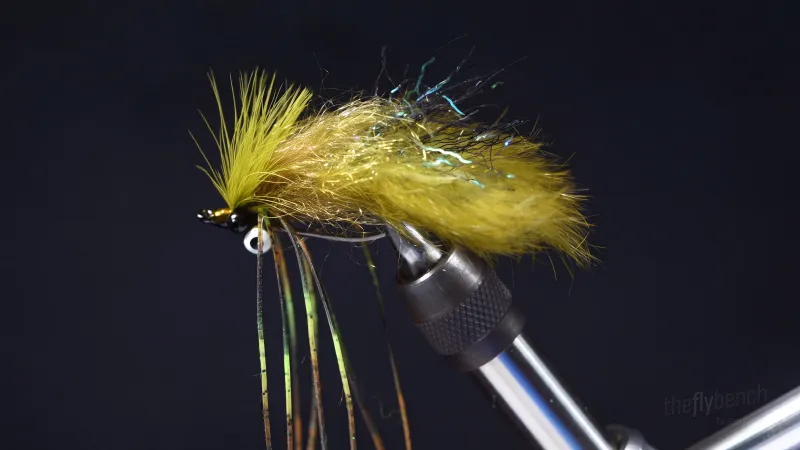
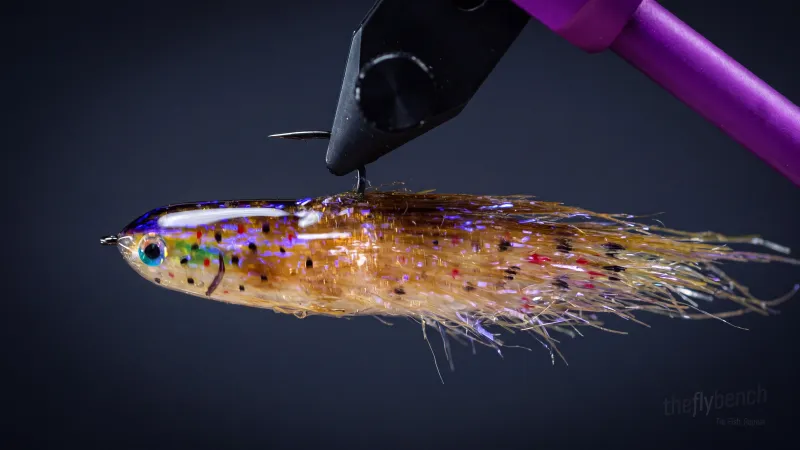
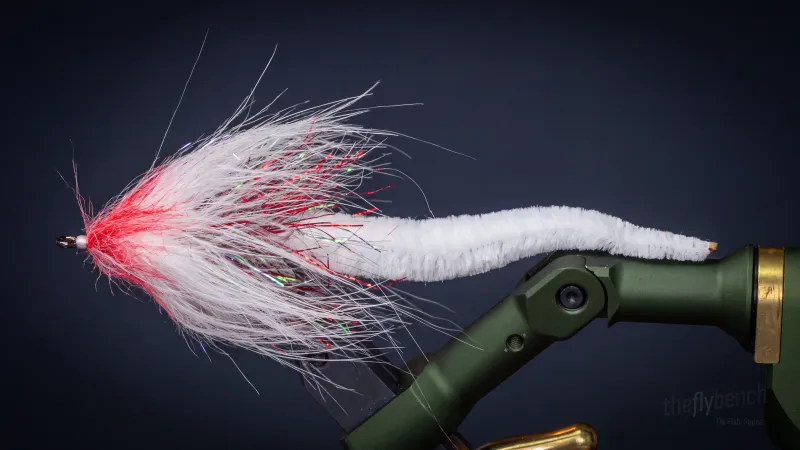
Ryan at Trident Fly Fishing ties this streamer in stages: a bucktail tail and pearl flash, several hollow-tied bucktail sections, a gray saddle hackle, more bucktail, then a fox fur head and stick-on eyes. The hollow bucktail traps air so the fly keeps breathing at rest. Tie it slimmer for finger mullet, or bigger on a 4/0-5/0 hook to match bunker for stripers and bluefish.
Related patterns
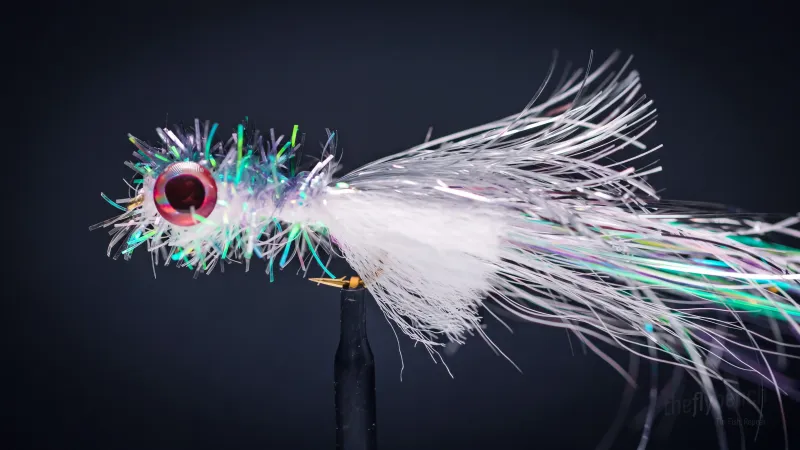
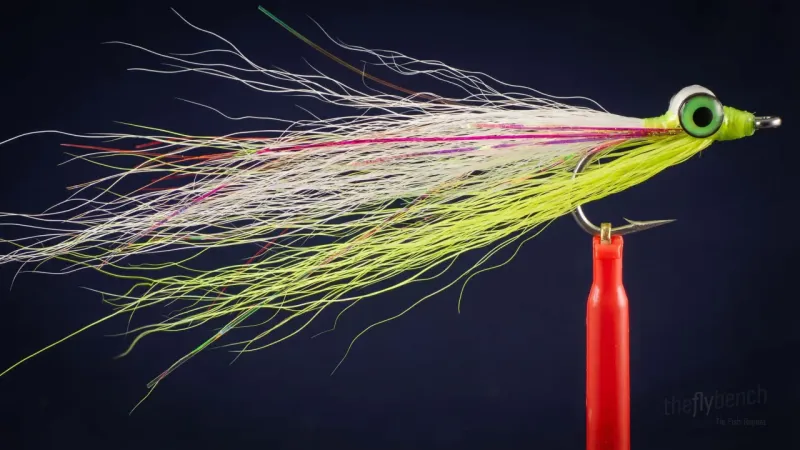
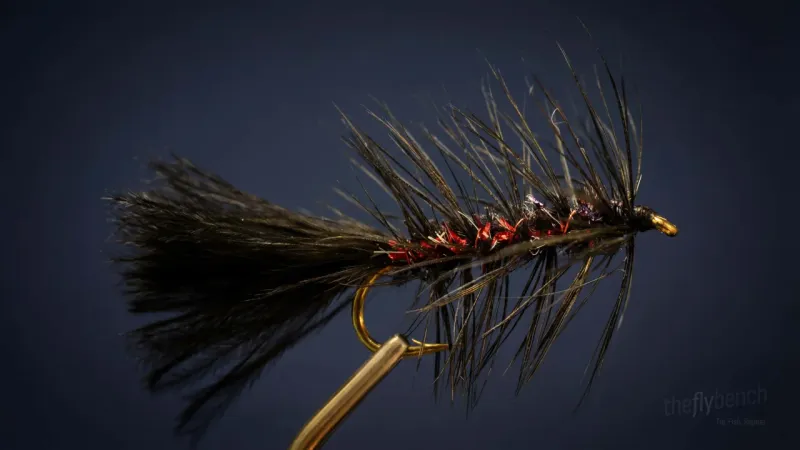
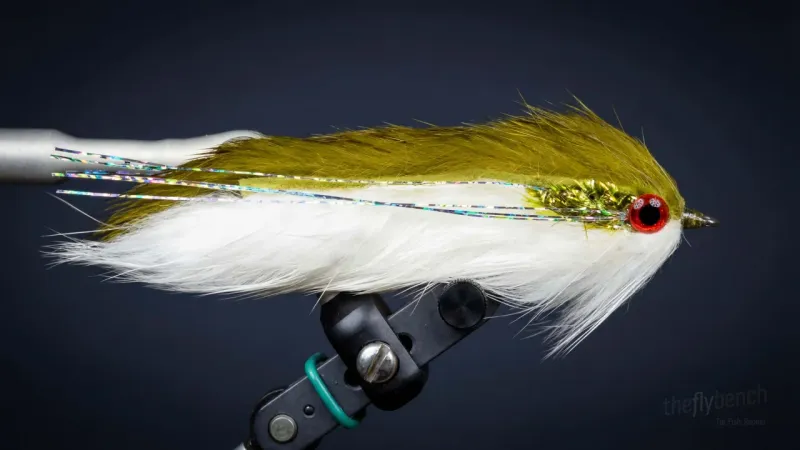

Behavior & presentation
- Natural Behavior
- Shad, shiners and juvenile perch hang in loose groups off cover, and a straggler that slows or drifts out of the school draws the eye of every pike nearby.
- Where Trout Eat It
- Pike and bass ambush from weed beds, timber and rock points, rushing baitfish that stray over open water next to cover.
- How to Fish It
- Strip in long pulls with a pause after each, letting the hollow bucktail flare and settle so the fly keeps moving while it hangs still.
- Best Water
- Weed edges, the outside lip of a drop-off, shallow back bays in spring, and the slow eddy below a river point where baitfish bunch up.
- Strike Type
- Most takes come on the pause as a heavy stop or a sideways swipe; keep the rod tip low and strip-set hard before lifting.
Fishing strategy
- Rigging Suggestions
- Use an 8- or 9-weight with a floating or intermediate line and a short, stout leader ending in a 30- to 40-lb bite tippet or wire for pike and musky. A loop knot lets the bulky head swing freely.
- Seasonal Timing
- Best from April through June when pike move into shallow bays, and again September through November as baitfish school and fish feed before winter. On the coast, match the fall bunker and mullet runs.
- Pro Tips
- Tie the bucktail sparse in each section so the fly sheds water on the cast and keeps its shape. Switch to natural or flashier color blends for stained water, and keep a slimmer version for wary fish in clear lakes.
Entomology
Schooling baitfish such as shad, shiners and young perch drift along weed lines and drop-offs, moving as a group to confuse predators. An individual that tires, slows or falls behind stands out at once, and pike and bass are quick to rush it. In salt water, bunker and mullet behave the same way, giving stripers, bluefish, snook and tarpon a large meal for one short chase.
- Common name
- Baitfish
- Organism
- baitfish
- Life stage
- general
Pattern details
- Stillwater
- Moving Water
- Northeast
- strip-retrieve
- active-retrieve
- warm-water
- searching-pattern
- modern