


Overview
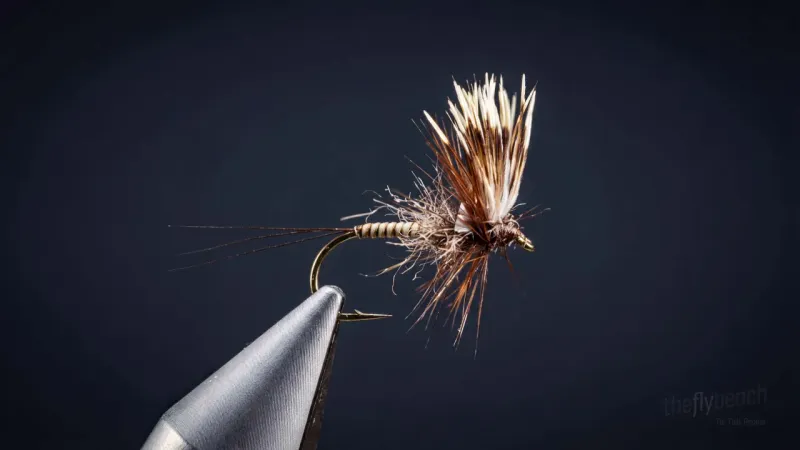
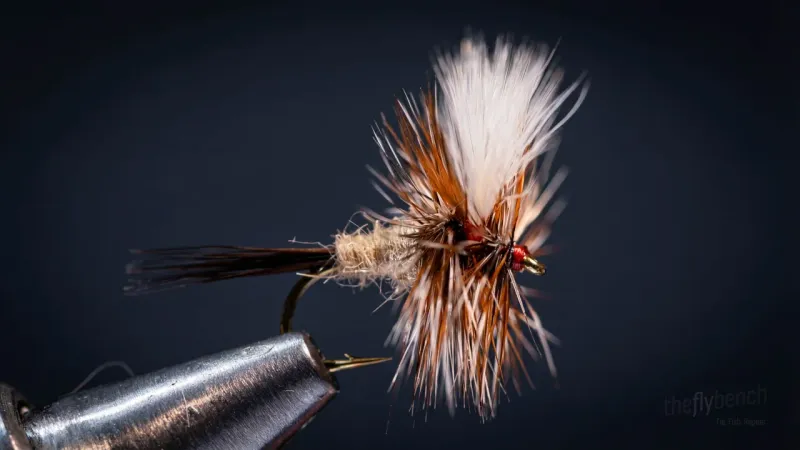
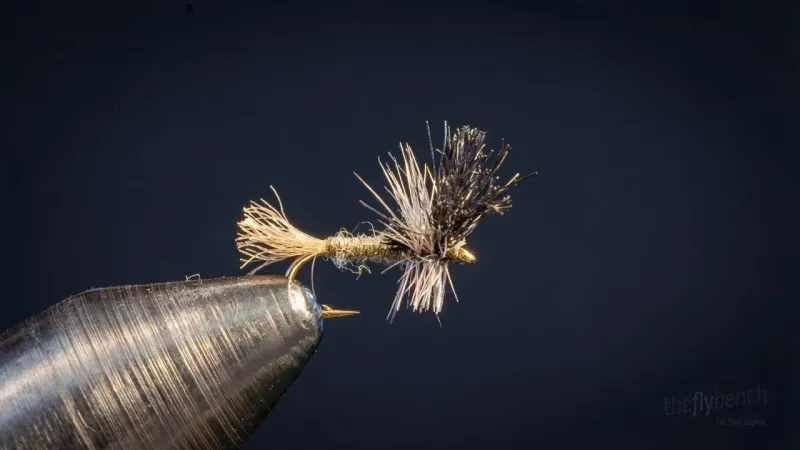
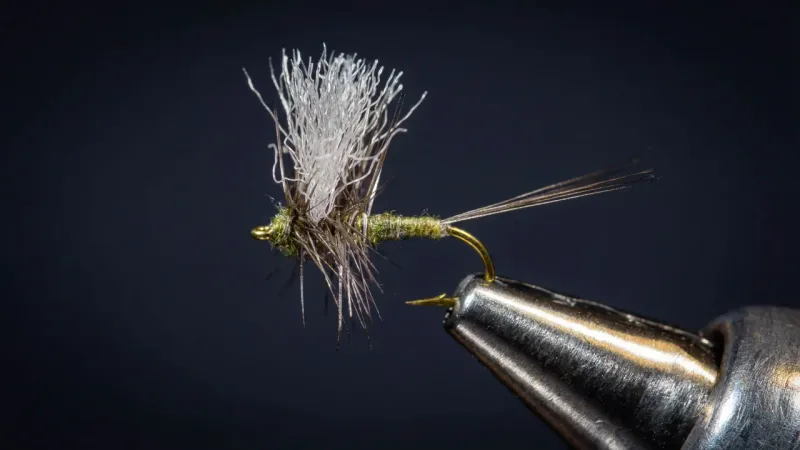
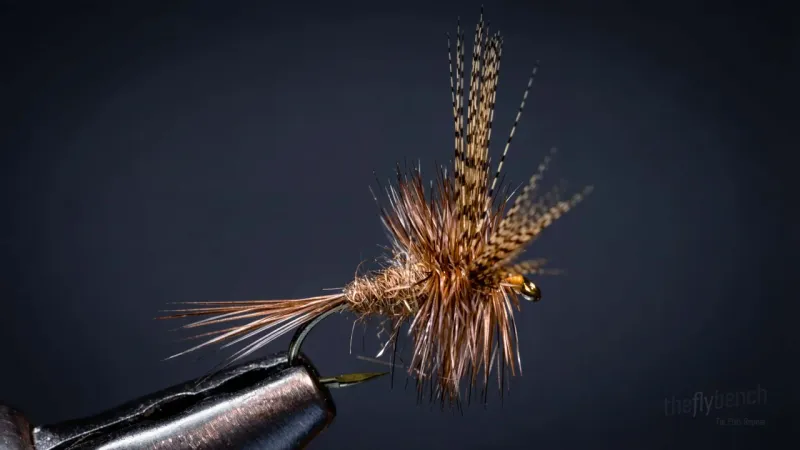
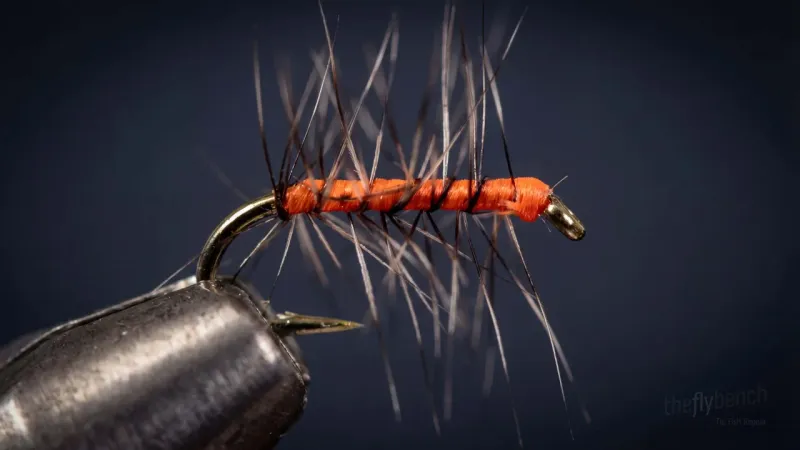
The Ausable Cripple is one of the most productive emerger patterns for matching mayflies during emergence. The pattern can be tied with brown and grizzly hackle for a classic look, or with Cree or barred ginger hackle for a mottled appearance. The fluorescent fire orange thread creates a subtle hot spot at the head that can trigger strikes from hesitant fish.
Related patterns
Behavior & presentation
- Natural Behavior
- Deformed mayflies with twisted wings create distinctive drag patterns and continuous wakes rather than floating cleanly. Their struggling movements emit low-frequency vibrations that trout detect from considerable distances.
- Where Trout Eat It
- Trout target this flush-floating cripple during mayfly emergences when deformed individuals create distinctive drag patterns and continuous wakes. The struggling movements emit vibrations trout detect from distance, making cripples priority targets.
- How to Fish It
- Float with body in film and wing visible above surface creating ideal emerger profile. The fluorescent orange thread head serves as subtle hot spot trigger—requires drag-free drift with delicate sips rather than splashy rises.
- Best Water
- Most productive in slower pool sections downstream from riffles where fish can selectively feed. Target foam lines and back eddies where cripples collect after failing emergence in faster upstream water.
- Strike Type
- Fish commit with confident head-turns during heavy activity but sip tentatively in calm pools—watch timing.
Fishing strategy
- Rigging Suggestions
- Fish on 10-12 foot leader with 5X-6X tippet. The pattern floats well but may need periodic drying during extended use.
- Seasonal Timing
- Most effective from late April through July during major mayfly hatches. Particularly productive during March Brown, Hendrickson, and Pale Morning Dun emergences.
- Pro Tips
- Floats with the body in the film and wing above the surface, creating an ideal emerger profile.
Entomology
Deformed mayflies with twisted wings or partially emerged bodies create distinctive drag patterns on the water surface, leaving continuous wakes rather than floating cleanly. The struggling movements emit low-frequency vibrations that trout detect through lateral line organs from considerable distances, and because cripples cannot take flight, they represent guaranteed meals that require minimal energy expenditure to capture compared to pursuing healthy adults attempting immediate takeoff.
- Order
- Ephemeroptera
- Common name
- Mayfly
- Organism
- insect
- Life stage
- adult
Pattern details
- Moving Water
- Northeast
- dead-drift
- baetis-hatch
- classic
- searching-pattern