Overview
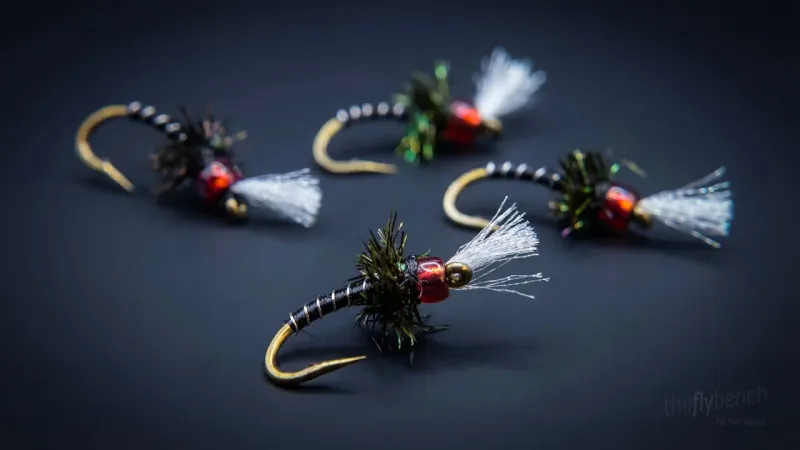
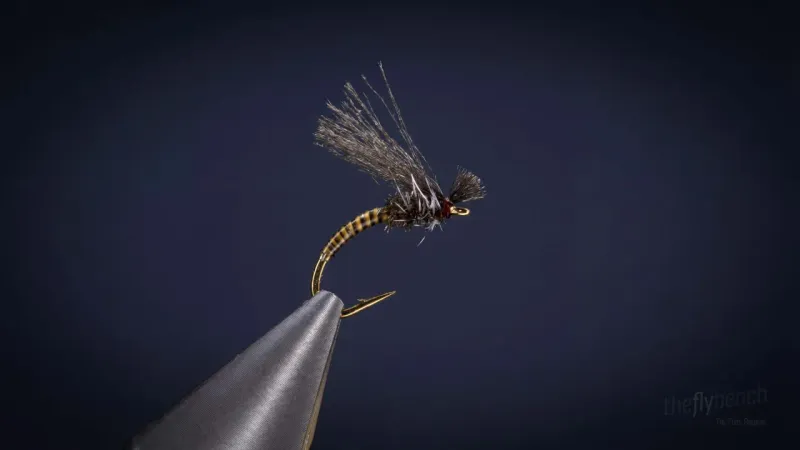
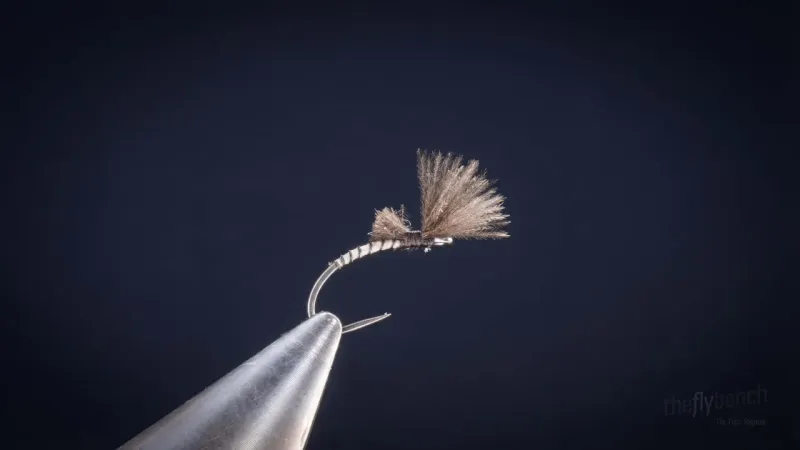
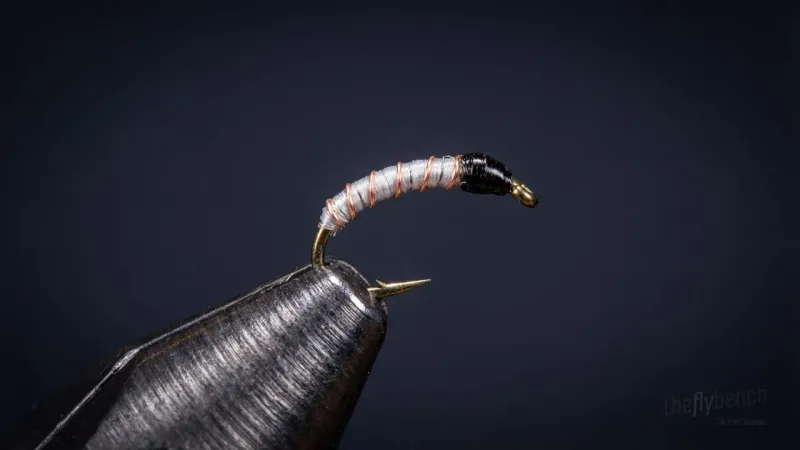
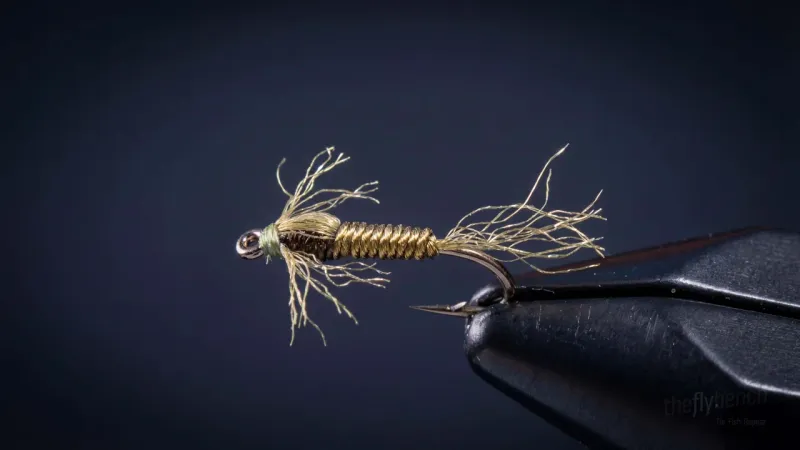
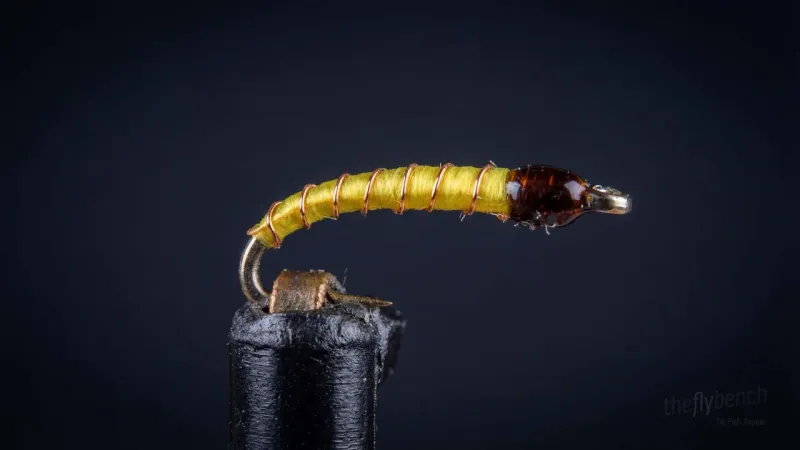
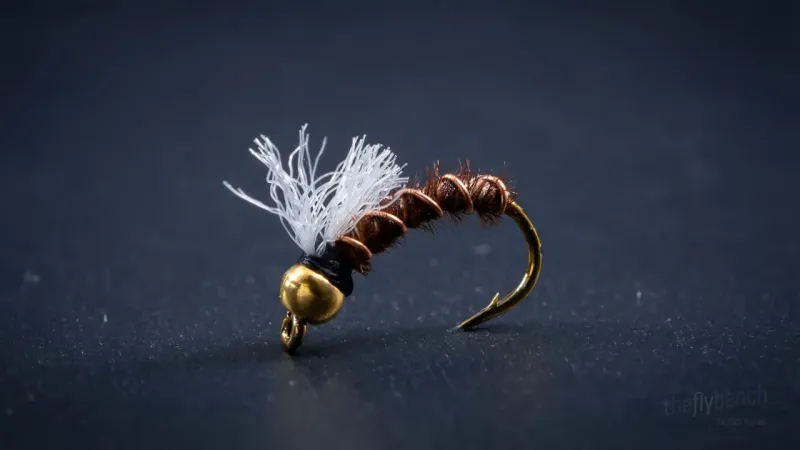
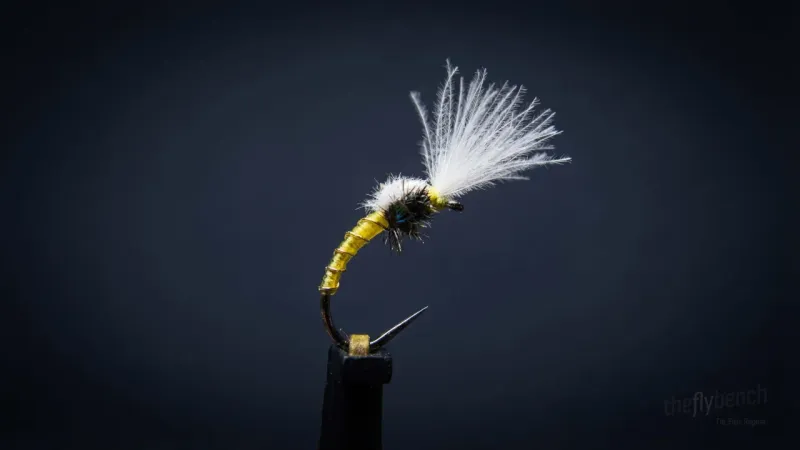
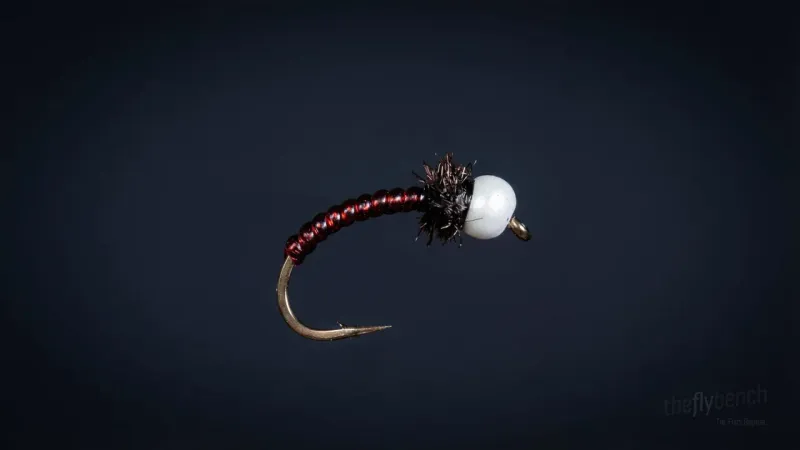
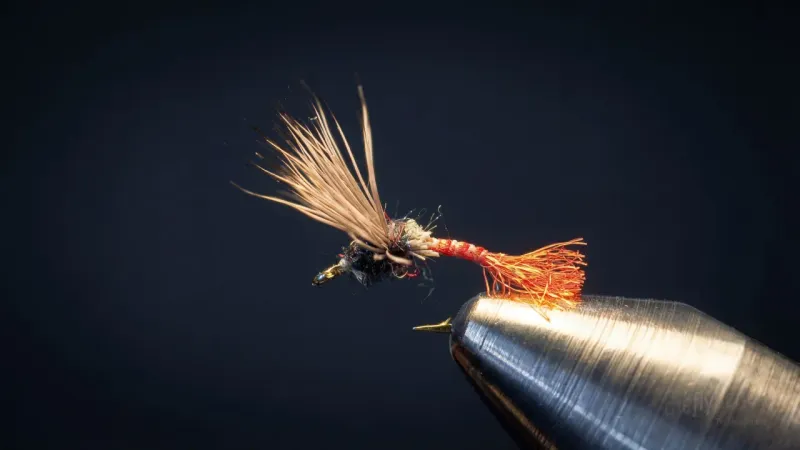
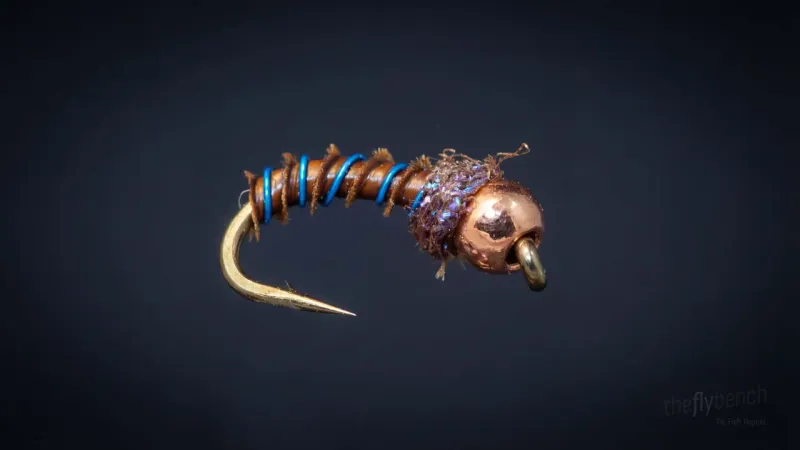
A hybrid midge emerger featuring a red thread body, copper or silver rib, peacock thorax, and a small tuft of CDC or Antron for the wing. A tungsten bead and flash make it highly effective in clear water. The combo of midge profile and attractor elements makes it versatile.
Related patterns
Behavior & presentation
- Natural Behavior
- Midge pupae ascend slowly through the water column toward the surface, often pausing mid-water or hanging suspended beneath the film. These gradual risers remain vulnerable for extended periods during their transformation to adults.
- Where Trout Eat It
- Trout sip rising red midge pupae in calm back eddies and tail-outs where emergers accumulate beneath the film in Cheesman Canyon. The tungsten bead and red attractor body make it effective in deeper pocket water where trout hold mid-column, unlike surface-oriented emerger patterns.
- How to Fish It
- Suspend beneath micro indicator at specific depths (4-6 feet) in calm water, or fish in dry-dropper rigs with size 16-18 dry flies. The copper bead provides sufficient weight to reach feeding zones without additional split shot. Dead-drift at depth with minimal movement, allowing red body to attract fish.
- Best Water
- Focus on Cheesman Canyon-style pocket water and South Platte tail-outs with moderate current. The weighted profile excels in 2-4 foot depths. Target calm back eddies and foam lines in slow glides.
- Strike Type
- Indicator movement signals the take at depth, appearing as slight dip, hesitation, or sideways drift rather than aggressive plunge; set gently but promptly to secure small hooks in soft mouth tissue.
Fishing strategy
- Rigging Suggestions
- Fish with 6X-7X tippet for natural presentation. Use micro strike indicators or dry-dropper rigs with size 16-18 dry flies. The copper bead provides sufficient weight in most situations.
- Seasonal Timing
- Year-round effectiveness with peak performance during months (December through February) and early (March-April) when midges dominate trout diets.
- Pro Tips
- The red body triggers strikes even when natural midges are darker colored. Fish multiple depths by varying tippet length when suspended below an indicator.
Entomology
Red and rust-colored midge larvae, pupae, and emerging adults drift in complex patterns through the water column, with pupae often clustering near the surface while larvae tumble along the bottom. Trout consume rojo midges voraciously because the vibrant red coloration makes them highly visible against most stream backgrounds, and they appear in enormous densities in nutrient-rich spring creeks and tailwaters throughout winter months.
- Order
- Diptera
- Family
- Chironomidae
- Common name
- Midge
- Organism
- insect
- Life stage
- general
Pattern details
- Stillwater
- Moving Water
- Rocky Mountain
- dead-drift
- midge-hatch
- attractor
- searching-pattern
- low-clear-water