Midge / EmergersSmokejumper
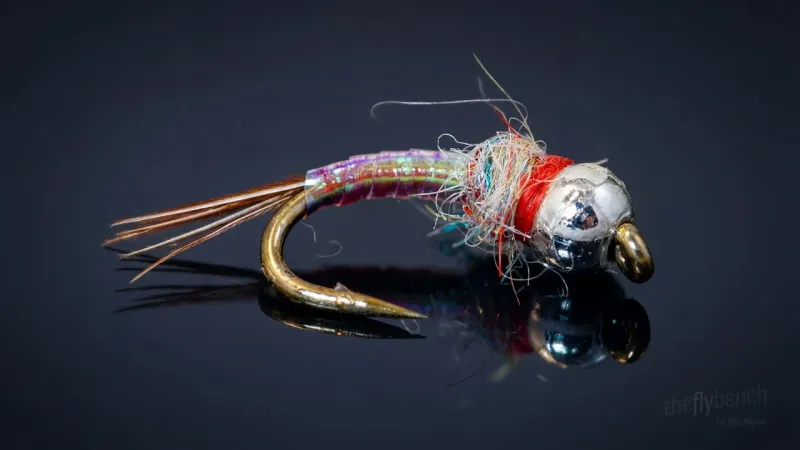
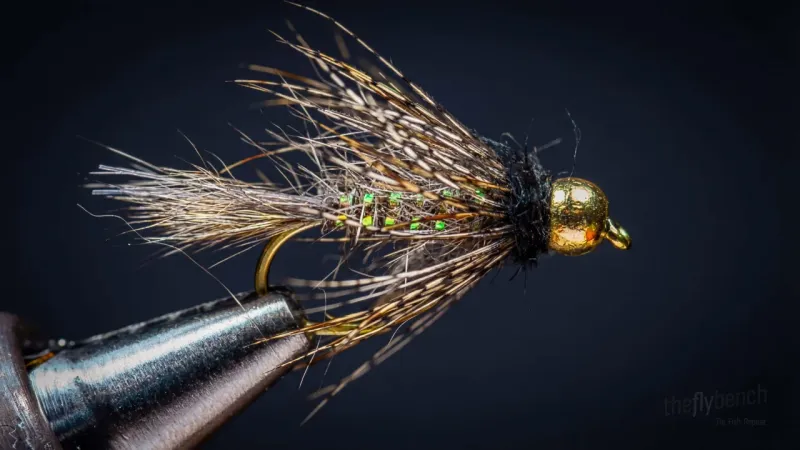
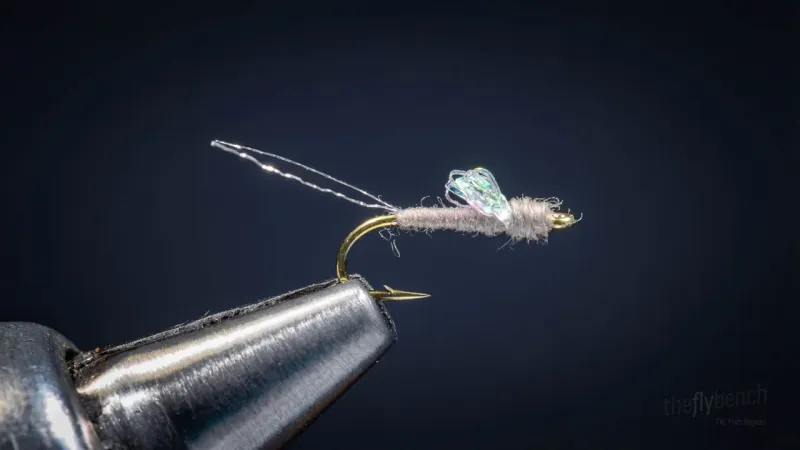
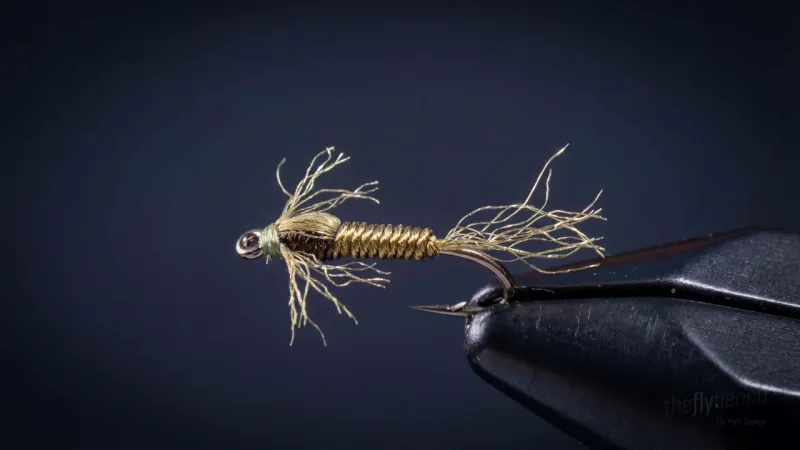
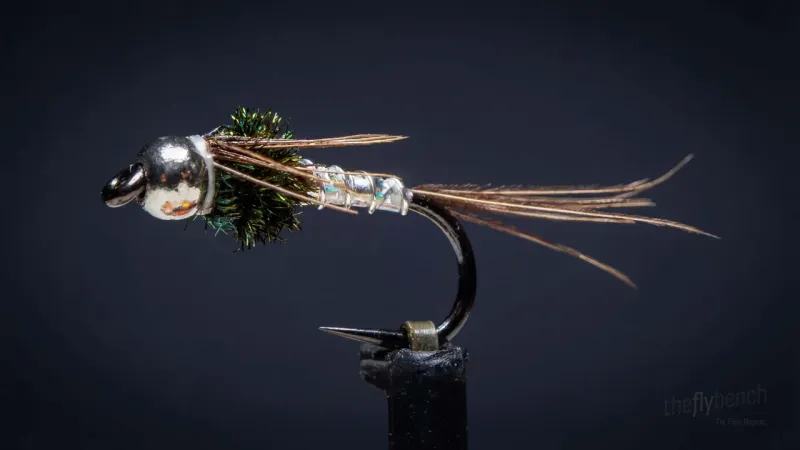
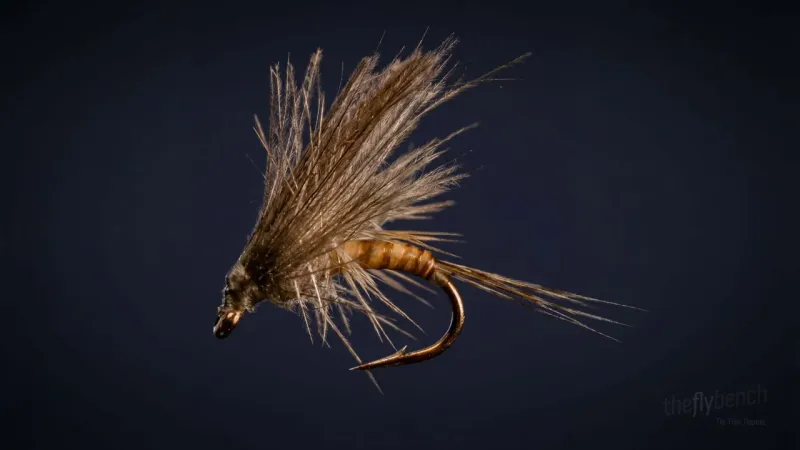
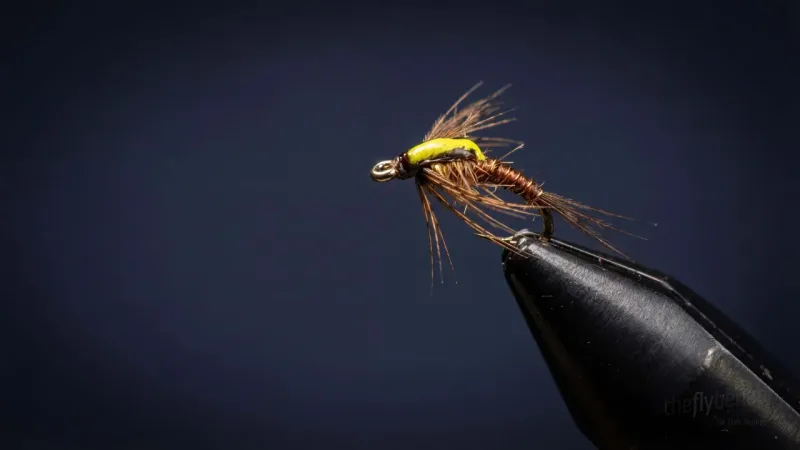
The Smokejumper is a simple, effective emerger pattern that imitates midges and mayflies breaking through the surface film. A fine silver wire rib segments the peacock herl thorax, and a puff of light dun CDC pulled forward as a wingcase adds both buoyancy and visibility for picky fish in slow water.
Year Round
Intermediate
Trout
Apr 2025
Overview
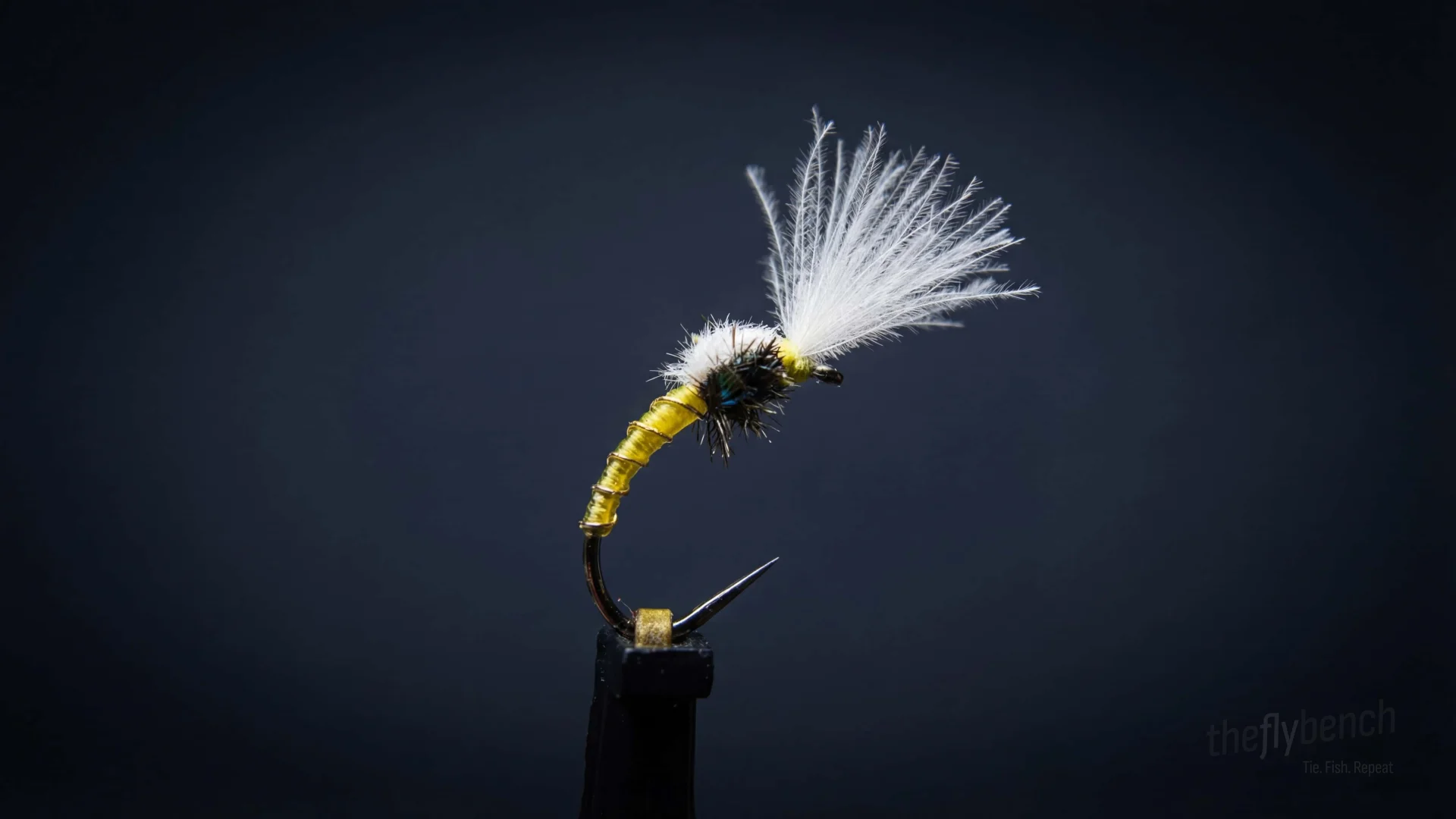
Tied on a barbless Czech nymph hook, the Smokejumper builds its body from yellow-olive tying thread ribbed with fine silver wire, then packs a thorax of peacock herl for a buggy, translucent profile. A puff of light dun CDC is pulled forward over the thorax as a wingcase, trapping air to help the fly hang in the surface film instead of a beadhead pulling it under. Effective for both midge and Baetis hatches, it's best fished dead-drift or swung as fish key on emergers in slow, clear water.
Where to Buy This Fly
We only link to fly shops we trust. Some links are referral links, which may earn us a commission at no extra cost to you.
Materials
- Hook:
- Fulling Mill 5065 barbless Czech Nymph.
- Thread:
- UTC 70 Denier, yellow olive.
- Rib:
- Ultra wire, extra-small, silver.
- Wingcase:
- CDC puff, light dun.
- Thorax:
- Peacock herl.
Behavior & Presentation
Natural Behavior: Emerging mayflies hang suspended below the surface meniscus with nymphal shucks splitting, completely defenseless as duns extract themselves from exoskeletons. This transitional vulnerability during hatch windows triggers selective feeding from trout recognizing predictable emergence patterns.
Where Trout Eat It: Developed for Bighorn River conditions where fish take this pattern in the surface film during mayfly and midge emergences.
How to Fish It: Fish in surface film with body hanging below while CDC wing rests on top, or trail behind weighted nymph.
Best Water: Focus on smooth glides with gentle current, spring creek tailouts, and foam lines where emergers concentrate near surface.
Strike Type: Look for subtle sips in the film or barely perceptible indicator movements as takes are often gentle.
Fishing Strategy
Rigging Suggestions: Use 5X-6X tippet (4-5 lb test) on 10-12 foot leaders. Fish as point fly or 18-24 inches behind a size 16-18 dry fly in tandem rigs.
Seasonal Timing: Most productive November through April during midge hatches, and June through September for mayfly emergences. Peak activity occurs when water temps are 38-48°F for midges, 52-62°F for mayflies.
Pro Tips: The silver bead and CDC wing make this visible to both angler and fish. Apply floatant only to the wing to keep the fly riding in the film rather than fully floating.
Entomology
Emerging mayflies hang suspended just below the surface meniscus, their nymphal shucks splitting as the dun begins to extract itself from its exoskeleton. This transitional moment leaves them completely defenseless, triggering selective feeding by trout who recognize this predictable vulnerability during hatch windows.
- Order
- Ephemeroptera
- Common Name
- Mayfly
- Organism Type
- insect
- Life Stage
- general