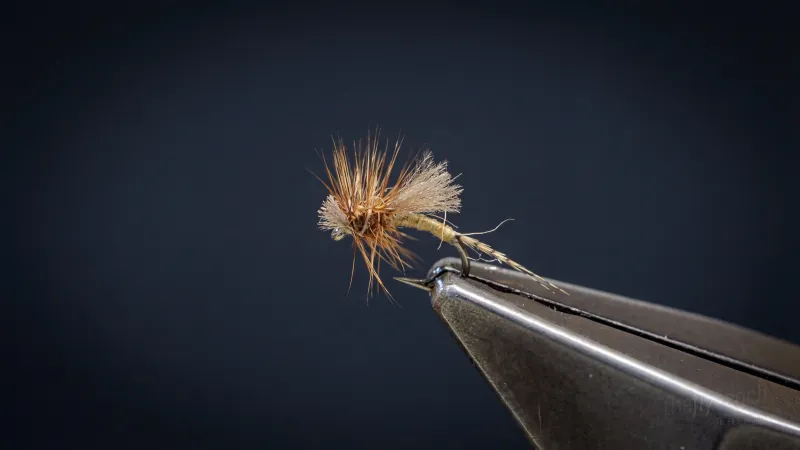
Midge / EmergersPueblo Emerger
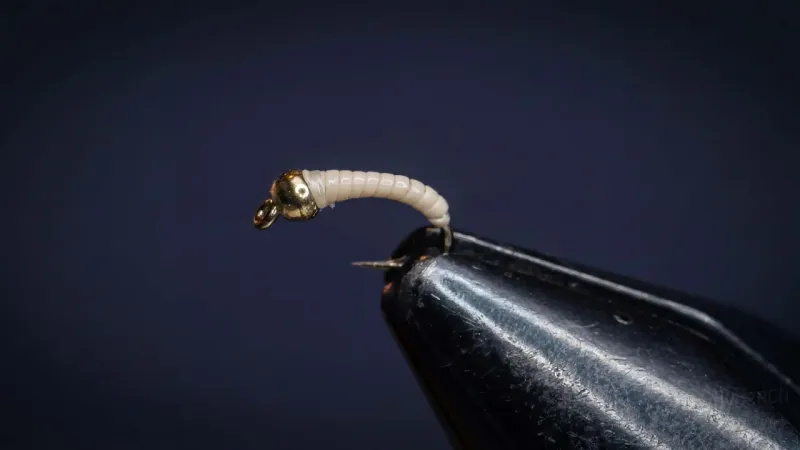
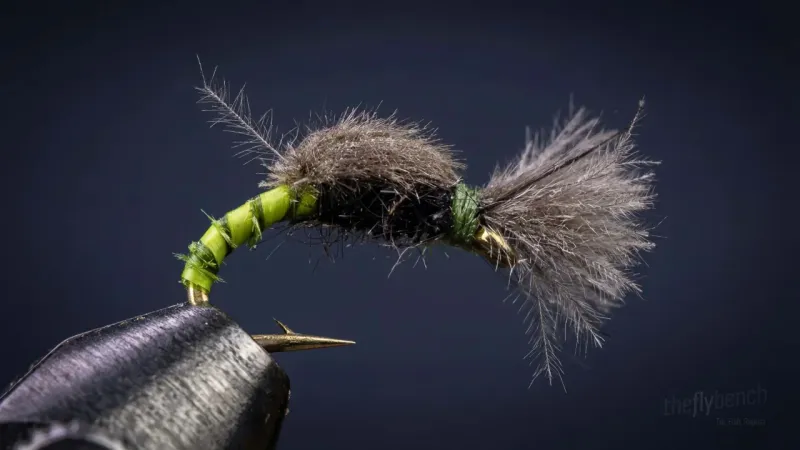
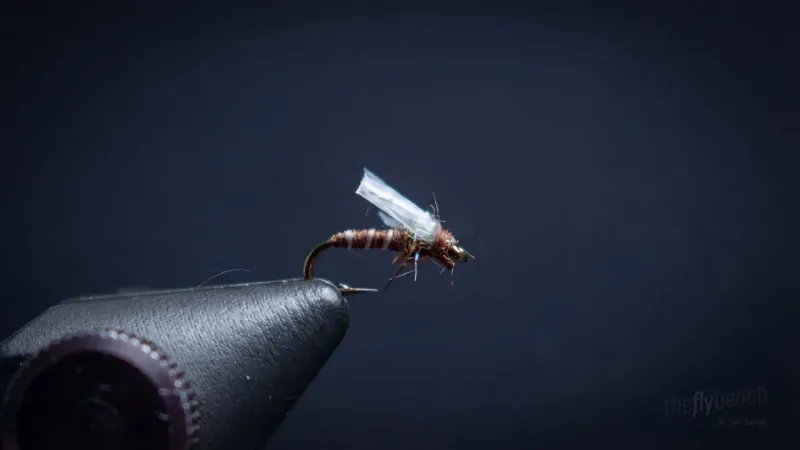
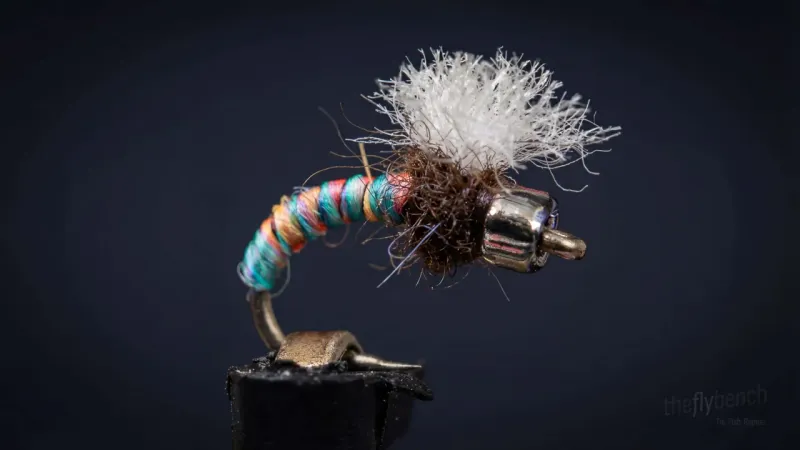
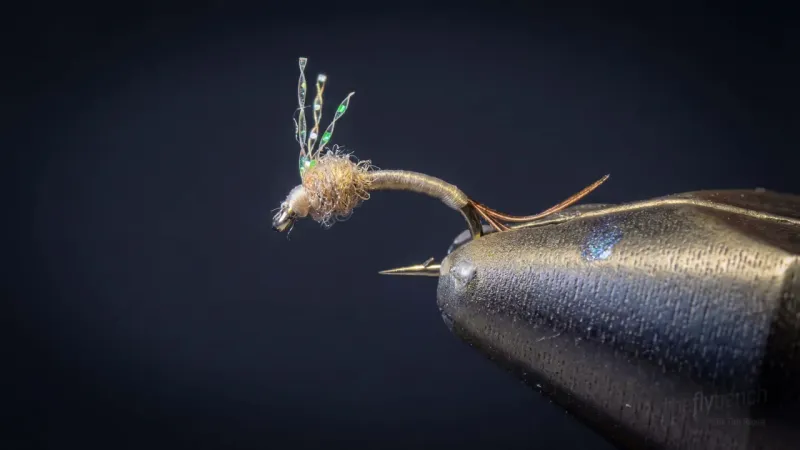
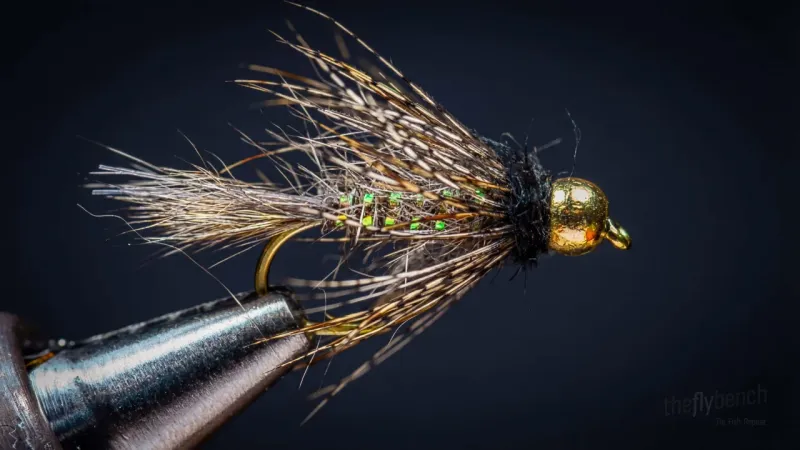
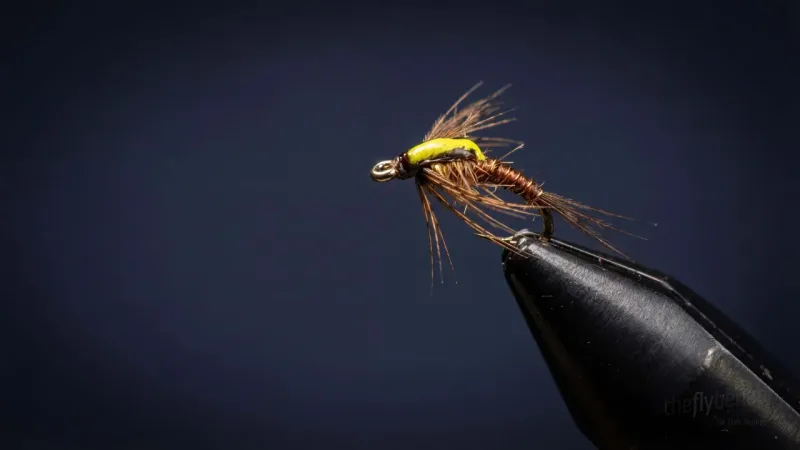
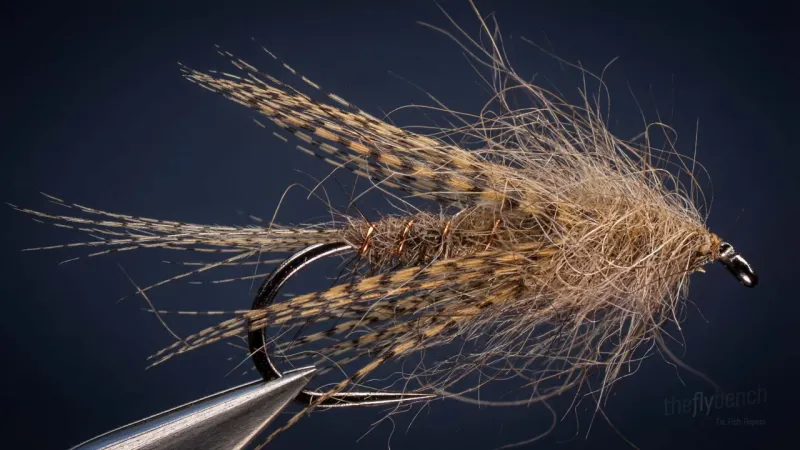
The Pueblo Emerger imitates a midge pupa hanging in the film, with a slim orange midge tubing body underlying a gray-olive Superfine dubbing thorax and an olive Zlon or Antron tail and casing. Tied on a Daiichi 1560 in sizes #14-18 with sparse partridge legs, it gives trout a low, translucent profile during heavy midge activity from spring through fall.
Spring, Summer, Fall
Intermediate
Trout
Apr 2025
Overview
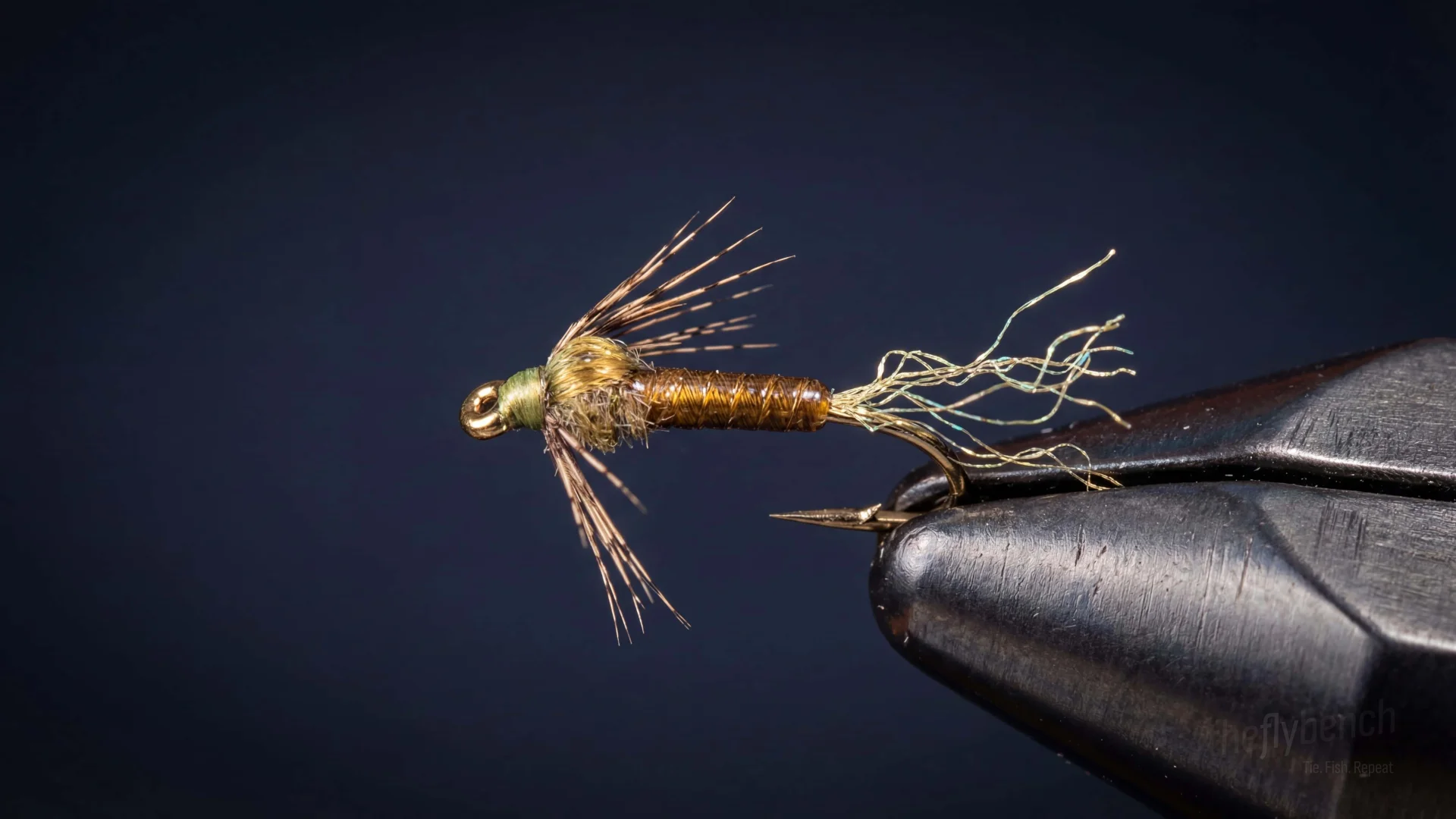
The orange midge tubing body shows through as a hot underlayer beneath the gray-olive Superfine dubbing thorax, echoing the color shift natural pupae display as they rise to hatch. Olive Zlon or Antron forms both a trailing tail and a shuck-like casing wrapped near the head, while soft partridge fibers splay back as legs. Fished dead-drift just under or in the surface film on light tippet, it covers trout keyed on midges transitioning from pupa to adult in tailwaters and spring creeks throughout the season.
Where to Buy This Fly
We only link to fly shops we trust. Some links are referral links, which may earn us a commission at no extra cost to you.
Materials
- Hook:
- #14–18 Daiichi 1560
- Thread:
- Olive 12/0 Veevus
- Tail:
- Olive Zlon or Antron yarn
- Body:
- Orange midge tubing
- Casing:
- Olive Zlon or Antron yarn
- Thorax:
- Gray olive Superfine dubbing
- Legs:
- Partridge feather
Behavior & Presentation
Natural Behavior: Midge pupae hang vertically in the surface film, their bodies trapped in the meniscus during transformation from aquatic to winged adult. The struggle to break through surface tension leaves them suspended and vulnerable for extended periods.
Where Trout Eat It: Surface film in smooth glides, back eddies, and flat pools. Fish cruise just below the film targeting stuck emergers in calm zones.
How to Fish It: Dead drift in or just below surface film. The CDC wing keeps the fly riding in the meniscus while the body hangs suspended, matching the trapped emerger perfectly.
Best Water: Seams, tail-outs, foam lines, and back eddies where surface insects accumulate. Target flat pools and riffle edges in slow water.
Strike Type: Watch for soft surface rings or barely visible sips; set with a smooth lift when you see the rise form.
Fishing Strategy
Rigging Suggestions: Use 5X-7X tippet with 10-12 foot leaders for delicate presentations. Fish as a dropper 12-18 inches off a visible dry fly or in a tandem rig with another emerger. Grease leader but leave last 12 inches untreated.
Seasonal Timing: Most effective from March through October, with peak productivity during (April-May) and (September-October) when midge activity increases on overcast days and during cooler morning hours.
Pro Tips: The peacock thorax and CDC wing create a realistic silhouette in the film. Vary body colors (black, olive, red, brown) to match local midge populations. Sizes 18-22 are most effective.
Entomology
Emerging midges hang vertically in the surface film as they transform from aquatic pupae to winged adults, their bodies trapped in the meniscus while struggling to break through the water tension. Trout cruise just beneath the surface to sip these helpless insects, which remain vulnerable for several minutes during the critical emergence phase.
- Order
- Diptera
- Family
- Chironomidae
- Common Name
- Midge
- Organism Type
- insect
- Life Stage
- general