NymphLittle Black Stonefly
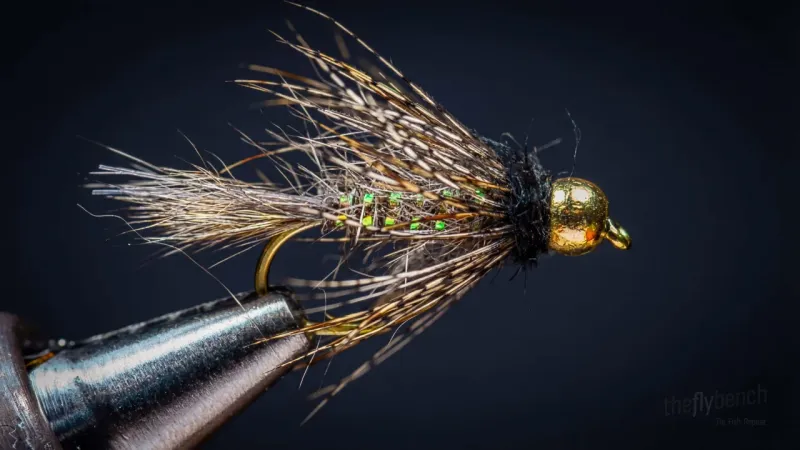
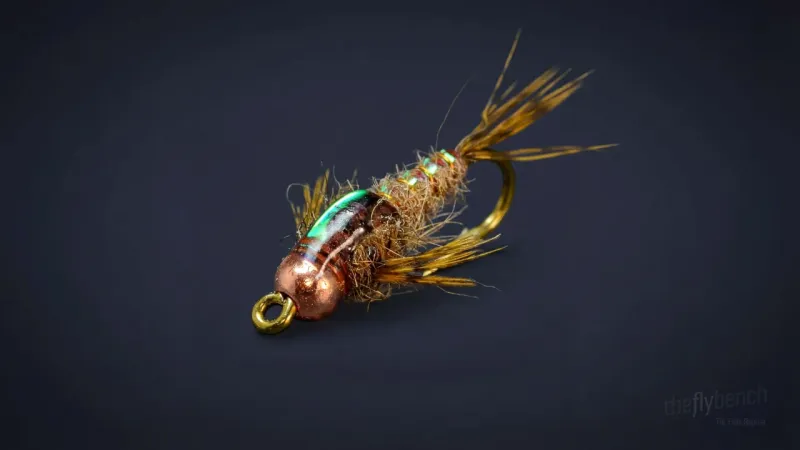
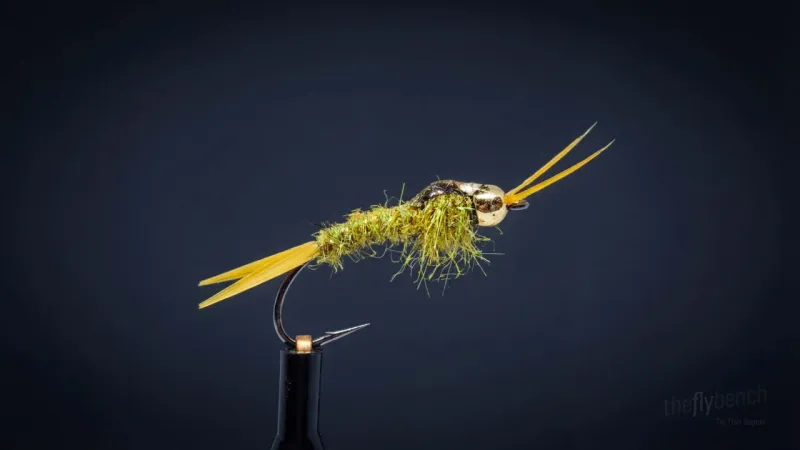
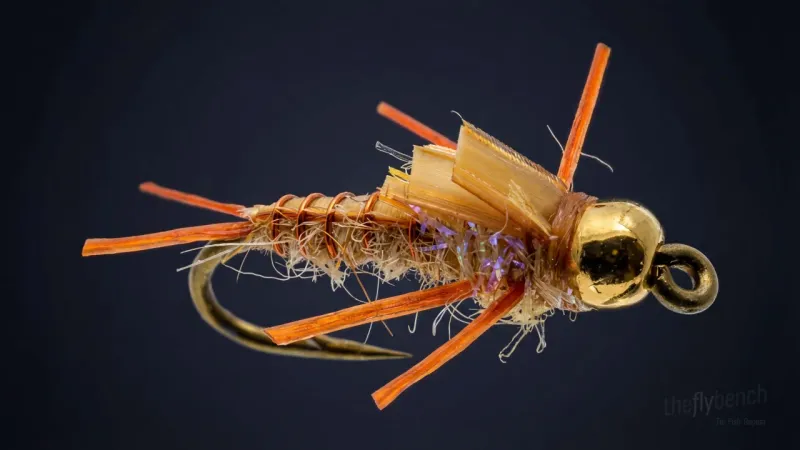
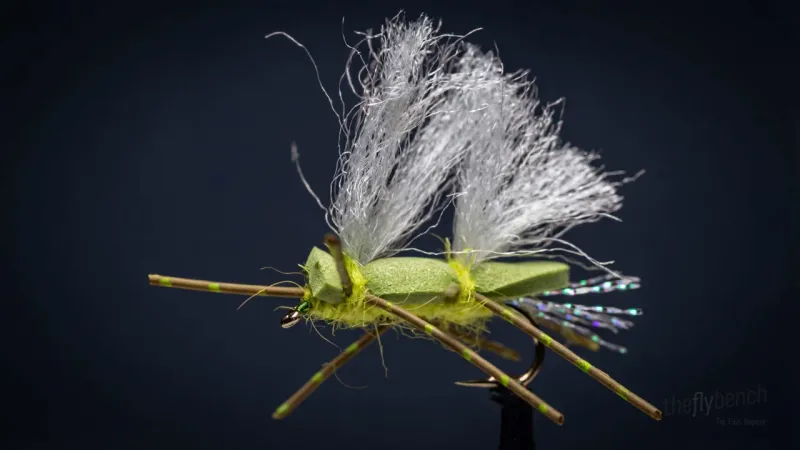
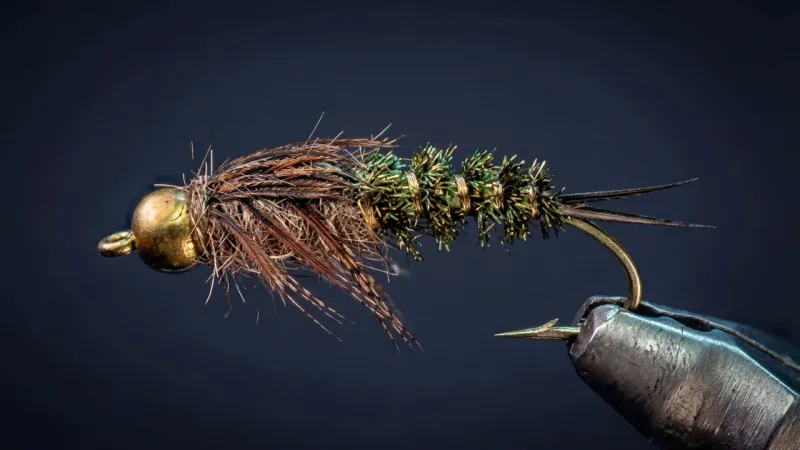
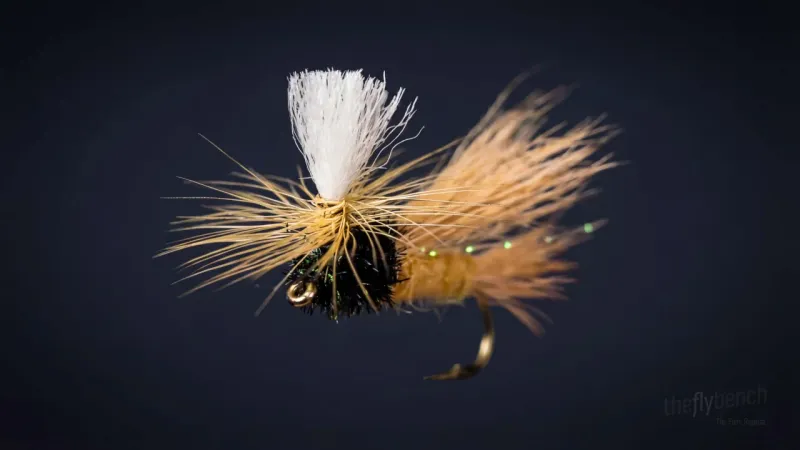
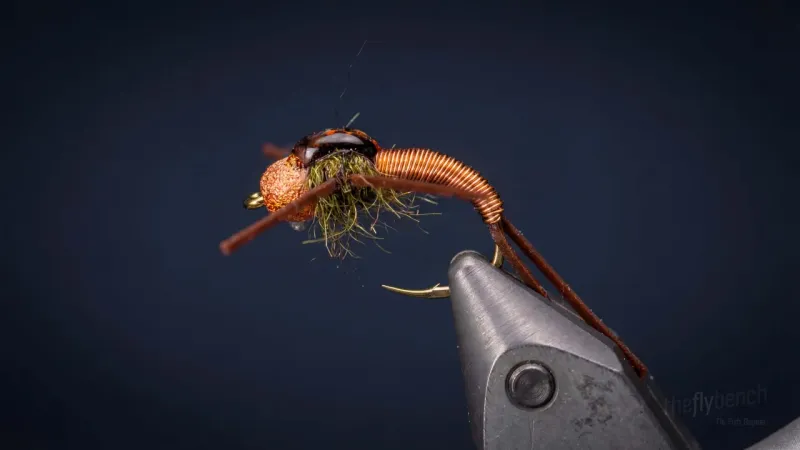
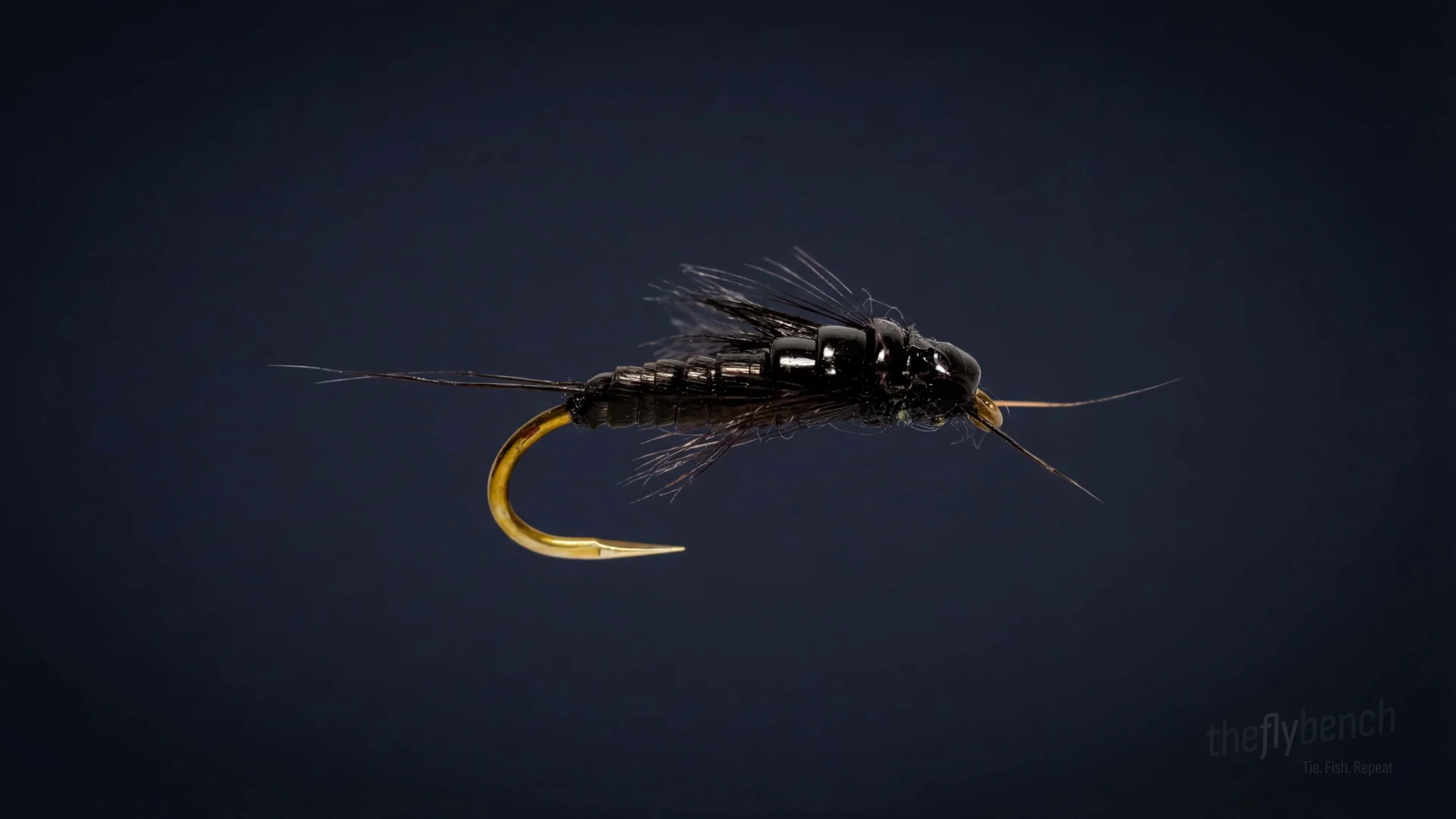
The Little Black Stonefly is a nymph pattern that accurately represents the stonefly nymphs found in many trout streams. Its matte black finish and weighted body make it an excellent choice when you need to get down deep.
Winter, Spring
Advanced
Trout
Apr 2025
Overview
A slim nymph pattern tied with black dubbing, fine wire ribbing, and dark soft hackle legs. Some versions include biot tails or a wingcase for realism. Best in early spring when little black stones hatch.
Where to Buy This Fly
We only link to fly shops we trust. Some links are referral links, which may earn us a commission at no extra cost to you.
Materials
- Hook:
- Tiemco 3769, size #12–#18
- Thread:
- 8/0 or 70 Denier, black
- Body:
- CDC, slate gray
- Wing:
- Coq de Leon soft hackle feather
- Hackle:
- Grizzly, trimmed on bottom
Behavior & Presentation
Natural Behavior: Small stonefly nymphs crawl methodically through gravel but become vulnerable when swept into drift. Their dark bodies tumbling along streambed during winter migrations trigger feeding from trout seeking critical cold-water protein.
Where Trout Eat It: Target well-oxygenated freestone streams and tailwaters with rocky substrate. Focus on deeper runs, pockets, and areas near banks.
How to Fish It: Dead drift along stream bottom through runs and pockets. Use high-stick nymphing or indicator techniques for contact.
Best Water: Fish runs, pockets, channel swings, and tail-outs where drifting nymphs concentrate during winter emergence periods.
Strike Type: Watch indicator for subtle dips, hesitations, or unnatural movements. Set on any pause.
Fishing Strategy
Rigging Suggestions: Use 9-10 foot leaders with 4X or 5X tippet. Add split shot or tungsten bead patterns as anchor flies. Pair with smaller midge dropper below.
Seasonal Timing: Most effective January through April when little black stoneflies (Capniidae) are active in cold water. Prime fishing when water temperatures are 35-45°F during late afternoon.
Pro Tips: Little black stoneflies provide critical winter protein when few other insects are active. The weighted body gets fly into feeding zones quickly in cold, dense water.
Entomology
Small stonefly nymphs crawl methodically across cobble and gravel substrates, using their strong legs to maintain position in swift currents while foraging on detritus and periphyton. When dislodged during storms or while migrating to emerge, their dark bodies tumbling along the streambed trigger aggressive feeding responses from trout accustomed to their presence.
- Order
- Plecoptera
- Common Name
- Stonefly
- Organism Type
- insect
- Life Stage
- general