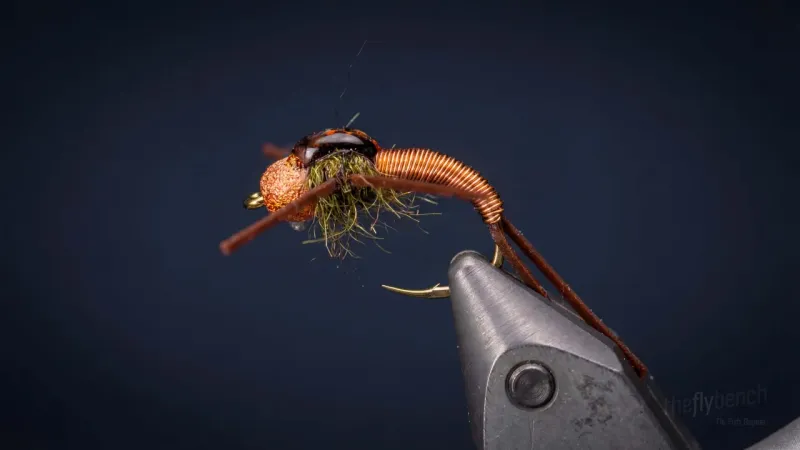
NymphKaufmann Stone
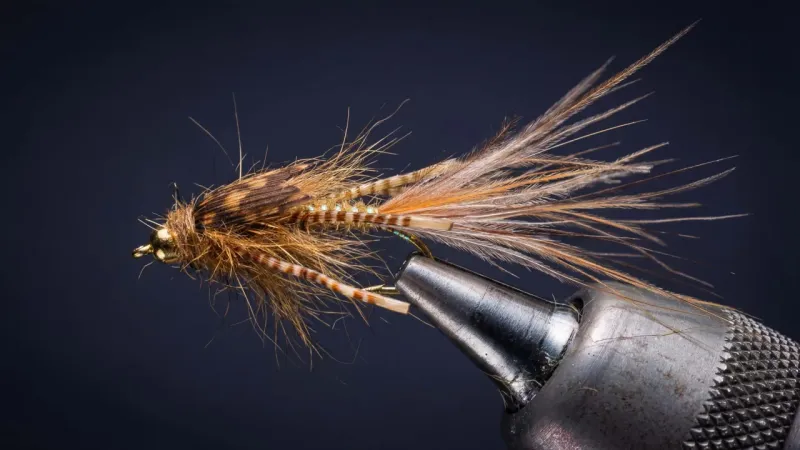
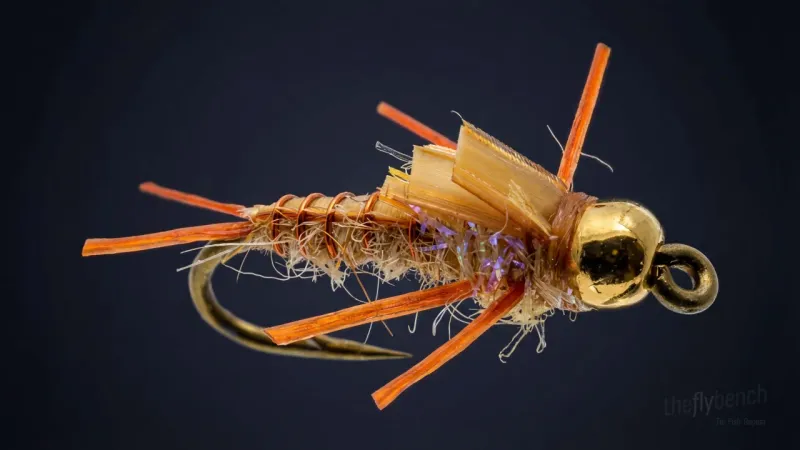
The Kaufmann Stone is a highly effective stonefly nymph imitation. The rubber legs and heavy weight make this fly an excellent choice for fast, deep water. It's known for its large profile and tantalizing movement that attracts attention from fish.
Spring, Summer
Intermediate
Trout
Apr 2025
Overview
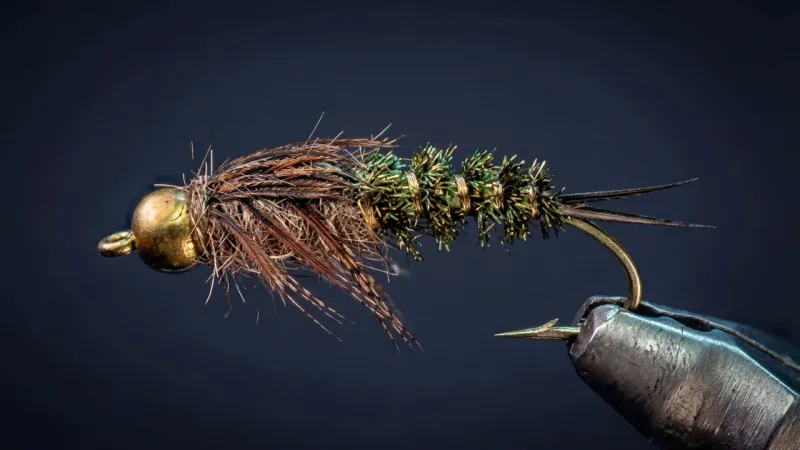
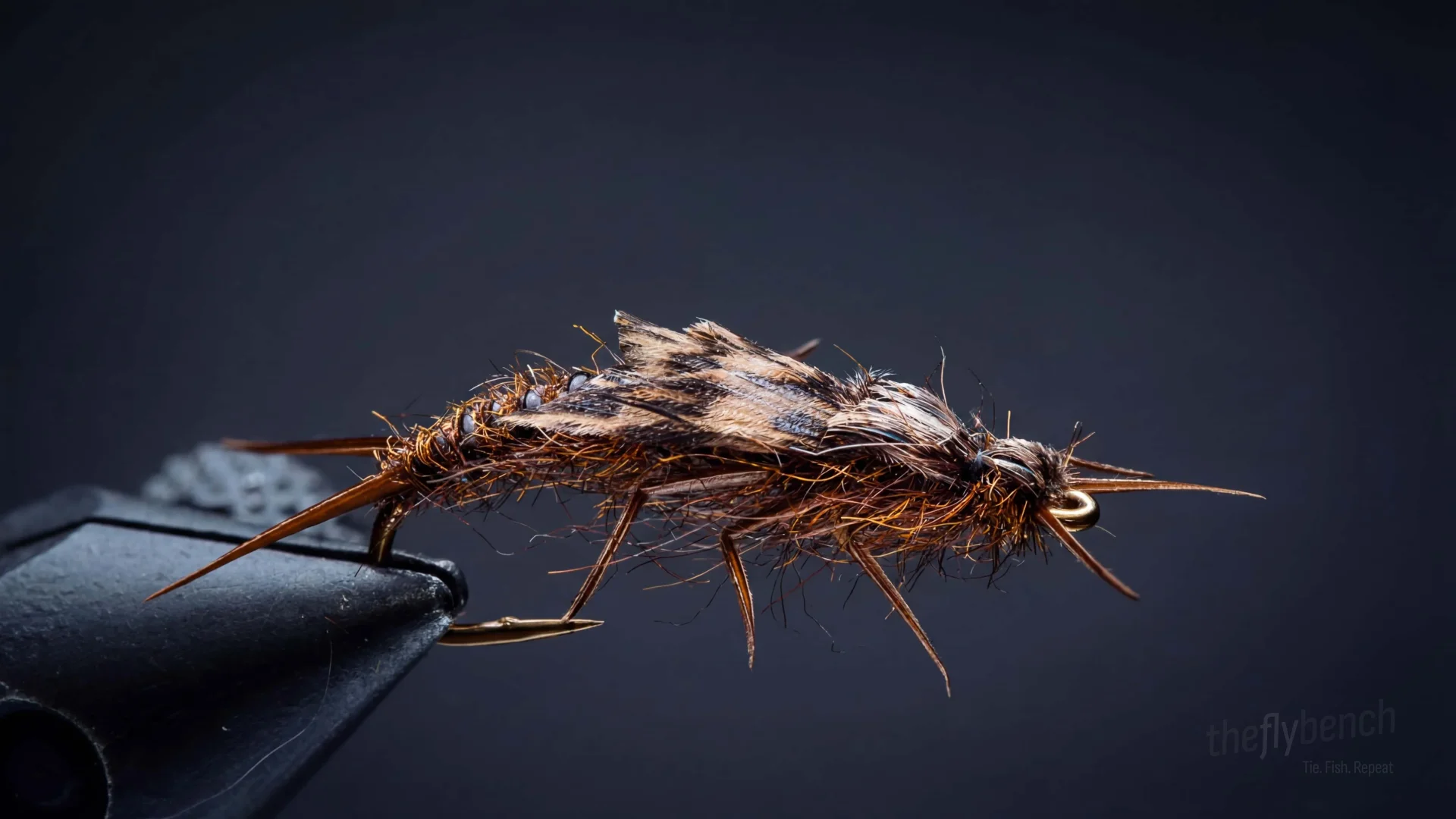
This classic stonefly nymph uses a dubbed body, knotted rubber or feather legs, and a prominent wingcase. Tied in earthy tones with a heavy underbody, it's perfect for deep, fast water where stoneflies thrive.
Where to Buy This Fly
We only link to fly shops we trust. Some links are referral links, which may earn us a commission at no extra cost to you.
Materials
- Hook:
- Tiemco 5262, sizes, #04-10
- Thread:
- Tan UTC 70
- Weight:
- .025 Lead Wire
- Tail:
- Tan Goose Biots
- Body:
- Golden Stone SLF Dubbing
- Rib:
- Medium Brown or Golden Stone D-Rib
- Wings:
- Mottled Turkey Wing
- Antennae:
- Tan Goose Biots
Behavior & Presentation
Natural Behavior: Large stonefly nymphs crawl actively along bottom substrates during migrations to shore, exposing themselves in shallow riffles. Their size and predictable movement patterns create focused feeding during emergence periods.
Where Trout Eat It: Bottom zone of fast riffles and pocket water where stoneflies migrate toward banks during hatches.
How to Fish It: Dead drift along bottom using weight to maintain depth contact through heavy current and pocket water.
Best Water: Pocket water, runs, riffle edges, current breaks, and near banks where stoneflies stage for emergence.
Strike Type: Hard takes detected by indicator stops or line movements as fish grab large nymphs from bottom.
Fishing Strategy
Rigging Suggestions: Use a high-density, fast-sinking line to get the fly down quickly. Heavier tippets can be used due to the typically larger size of this fly.
Seasonal Timing: This fly is particularly effective in late to early during stonefly hatches.
Pro Tips: This fly sinks quickly and stays submerged, making it visible to fish in the water column. The rubber legs add movement and visual appeal.
Entomology
Golden and salmonfly nymphs migrate toward shore in preparation for emergence, crawling across open gravel and cobble where they're highly visible to predators. This shoreward migration creates concentrated feeding opportunities as trout patrol the banks and shallows. The Kaufmann Stone's realistic segmentation and lifelike proportions trigger instinctive strikes from fish accustomed to these annual migrations.
- Order
- Plecoptera
- Common Name
- Stonefly
- Organism Type
- insect
- Life Stage
- general