Overview
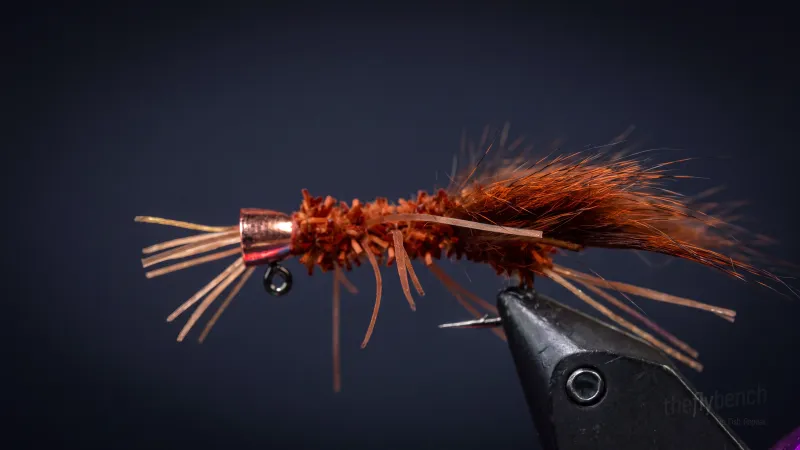
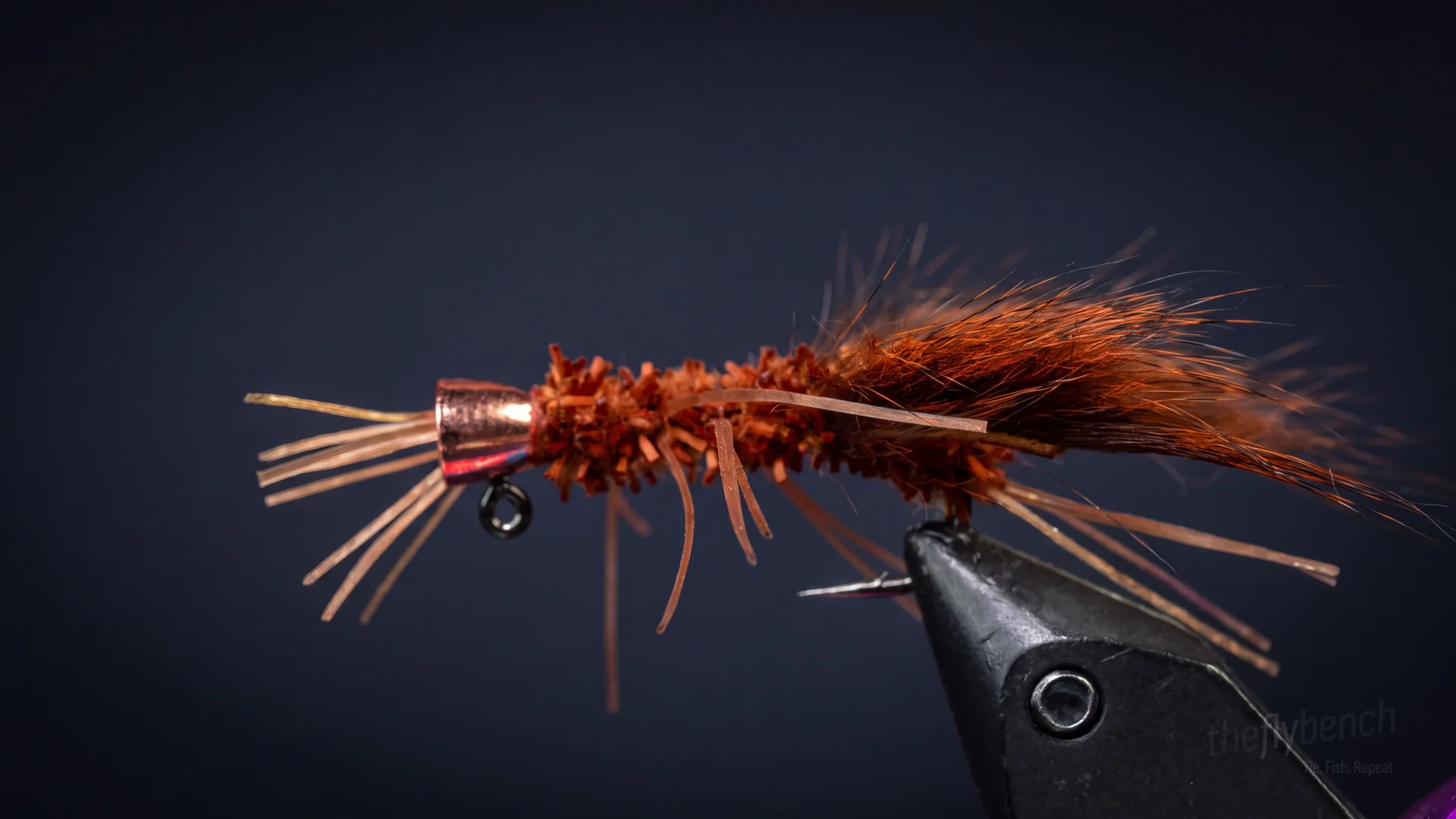
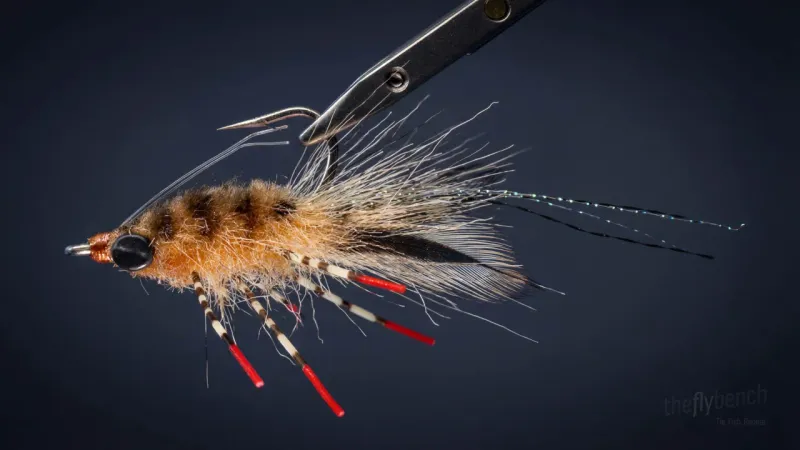
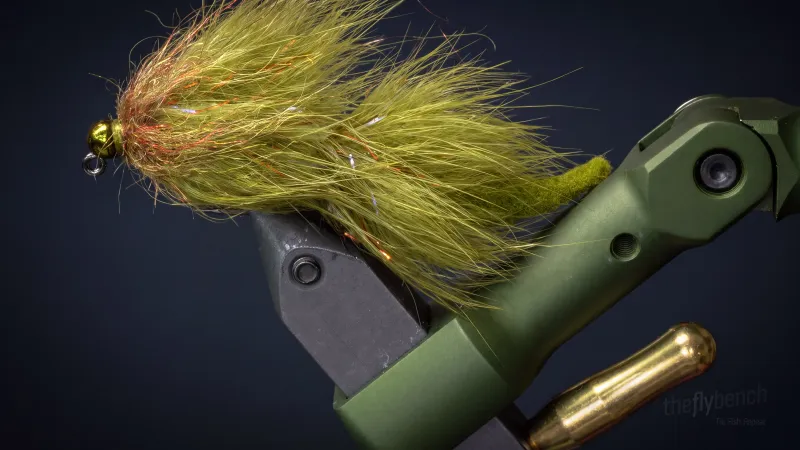
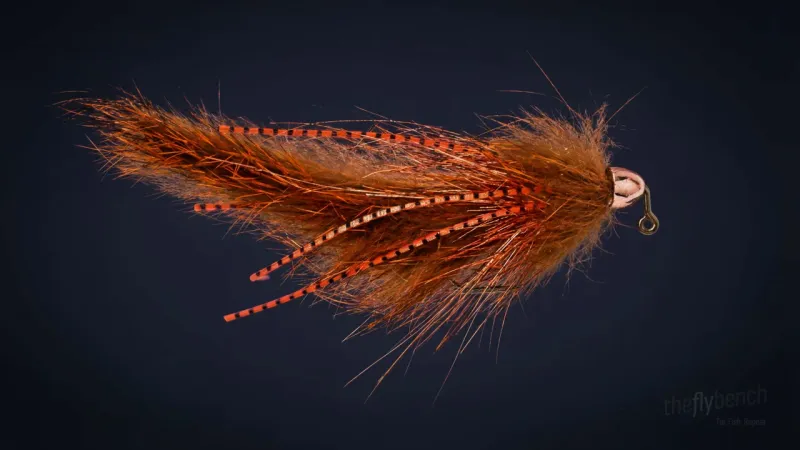
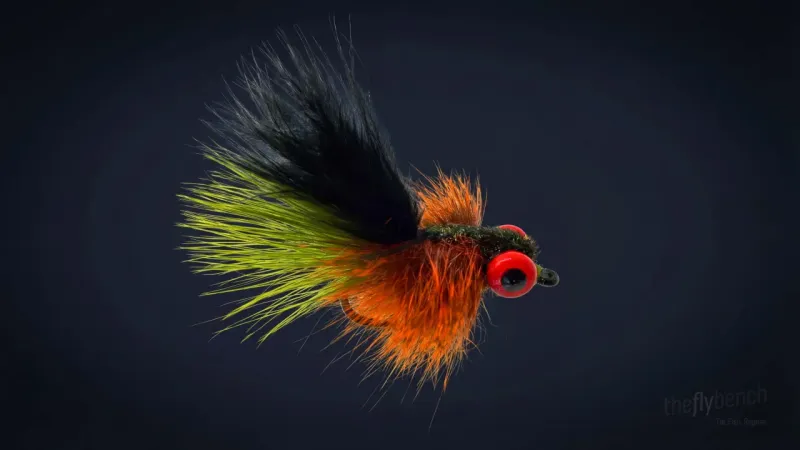
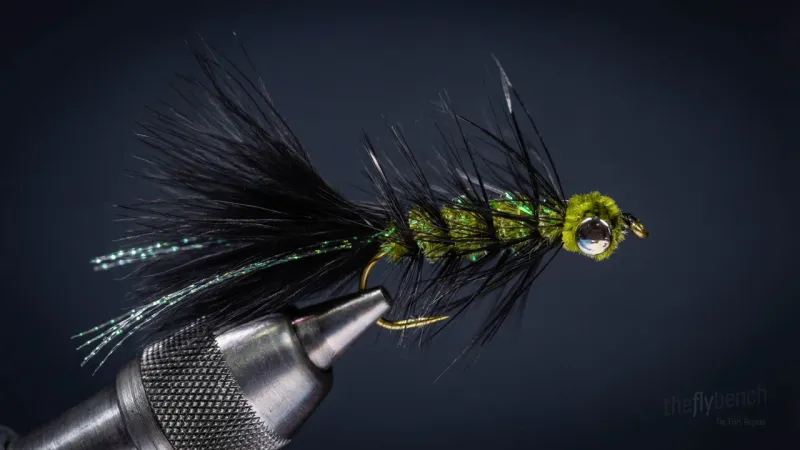
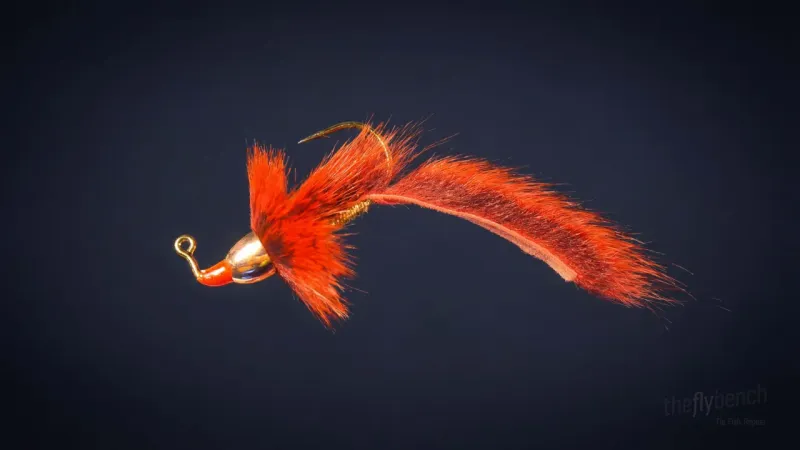
AJ Jorgensen tied the Claw Dawg for Fly Fish Food in December 2025, and Fulling Mill now sells a commercial version. The slotted tungsten cone goes on backward against a 90-degree jig hook, so the fly dives fast yet hangs level under an indicator. Pine squirrel strips form the tail and claws; swap the copper cone for gold if you want more flash.
Related patterns
Behavior & presentation
- Natural Behavior
- Crayfish creep backward across gravel and rubble, then flick their tails to shoot a short distance and settle again with claws raised toward the threat.
- Where Trout Eat It
- Rocky bottoms in rivers and along lake shorelines, where fish root crayfish out of cover or catch them during a short escape hop.
- How to Fish It
- Suspend it under an indicator so the balanced cone holds it level just off the rocks, or strip it slowly so it hops and settles along the bottom.
- Best Water
- Boulder pockets, riprap banks, rocky drop-offs, and the soft seam below a riffle where cobble breaks into a deeper run.
- Strike Type
- Under an indicator the float stalls or slides under; on the strip the line goes heavy as a fish pins the fly when it drops back to bottom.
Fishing strategy
- Rigging Suggestions
- Use 2X-3X fluorocarbon on a floating line, either under an indicator or tied direct with a loop knot. The tungsten cone usually gets it down without split shot.
- Seasonal Timing
- Best from late spring through fall (May-October) once water warms and crayfish are active, with good summer evenings for bass.
- Pro Tips
- Keep pauses long on the strip so the fly can settle and the squirrel claws can flare. Carry brown and olive to match local crayfish color.
Entomology
Crayfish hide under rocks and in weed beds by day and forage more openly at dusk and after dark, picking through the bottom for plants, insects and carrion. When threatened they curl the tail and dart backward in short bursts, then settle and face the danger with claws raised. Trout and bass hunt them hard because a single crayfish holds far more food than a mouthful of insects.
- Order
- Decapoda
- Common name
- Crayfish
- Organism
- crustacean
- Life stage
- adult
Pattern details
- Moving Water
- Stillwater
- Rocky Mountain
- jigging
- indicator-nymph
- strip-retrieve
- active-retrieve
- modern
- warm-water