


Overview
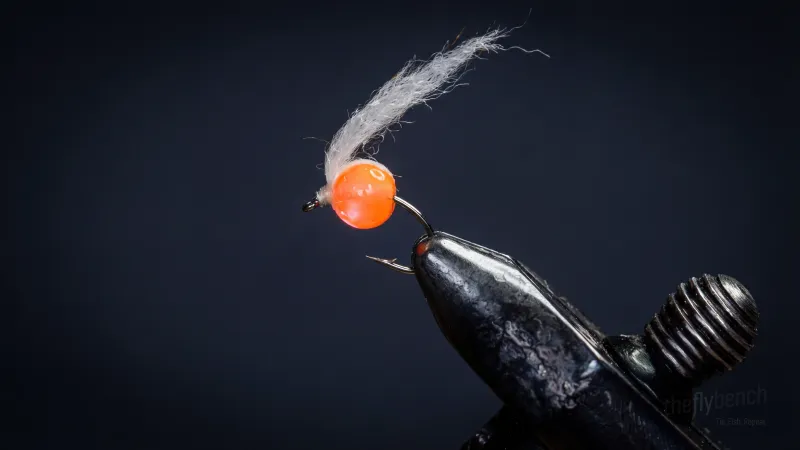
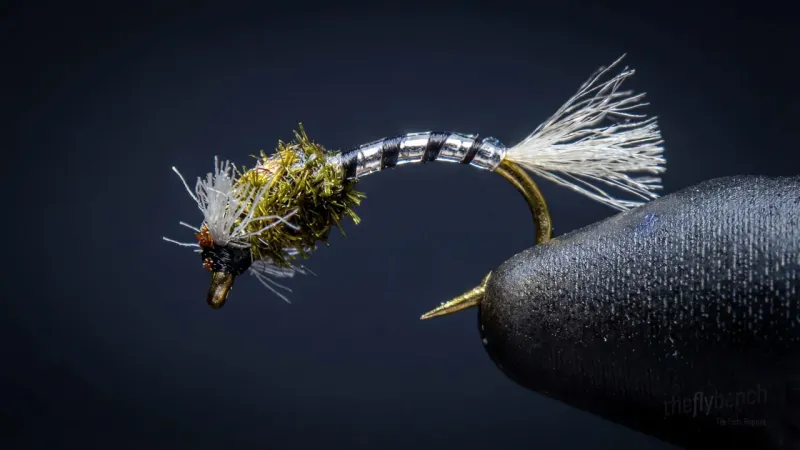
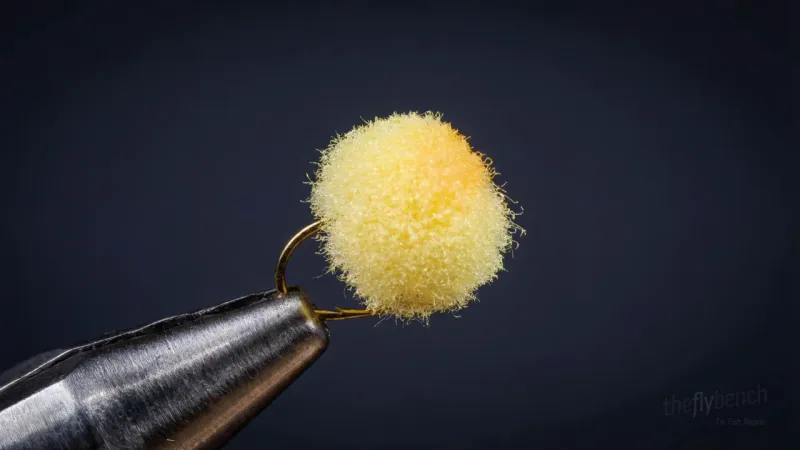
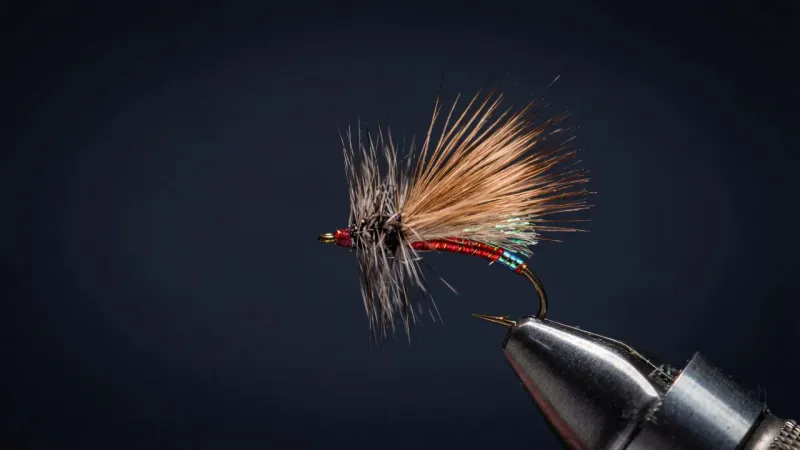
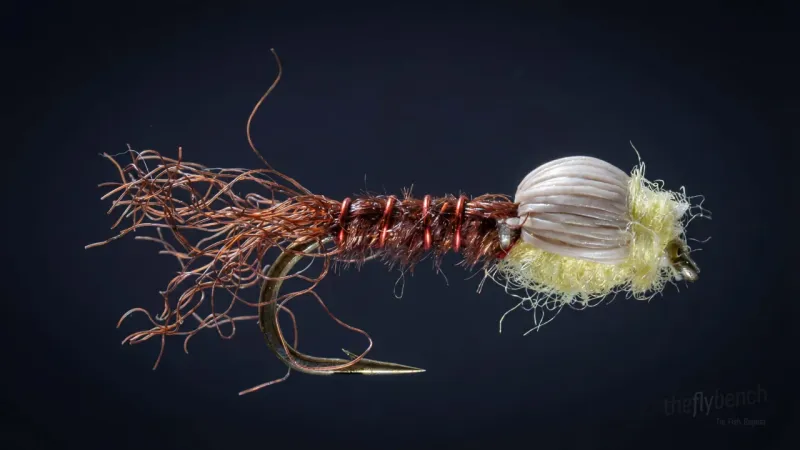
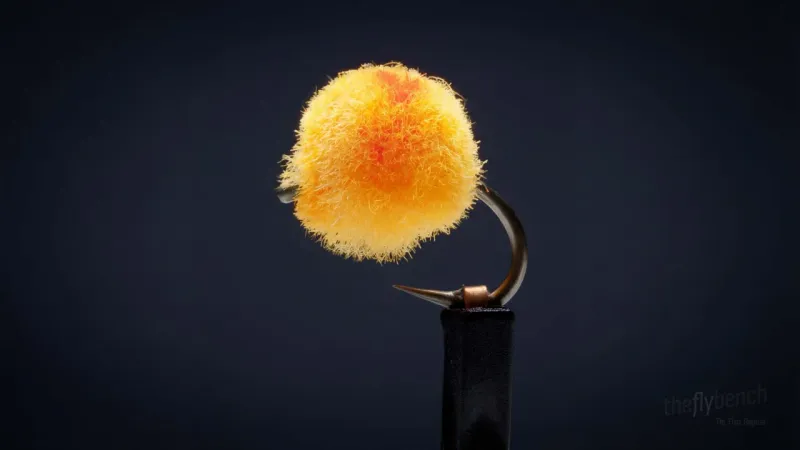
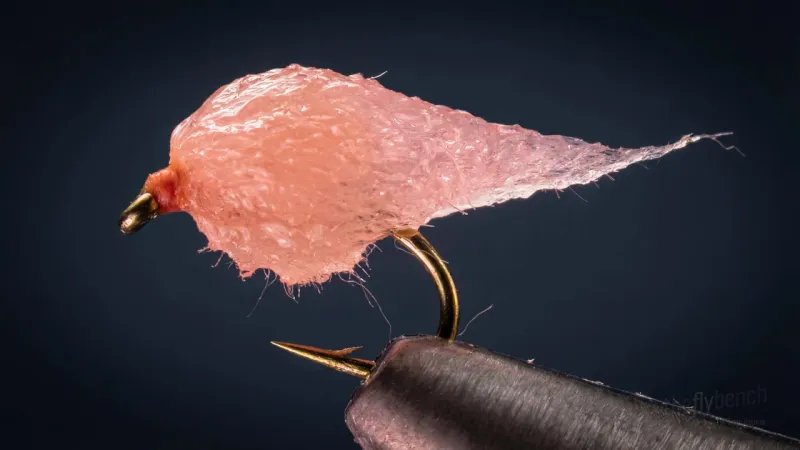
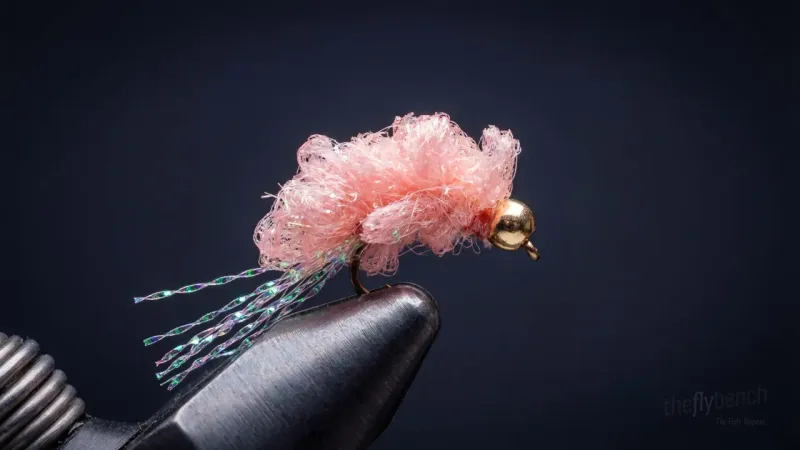
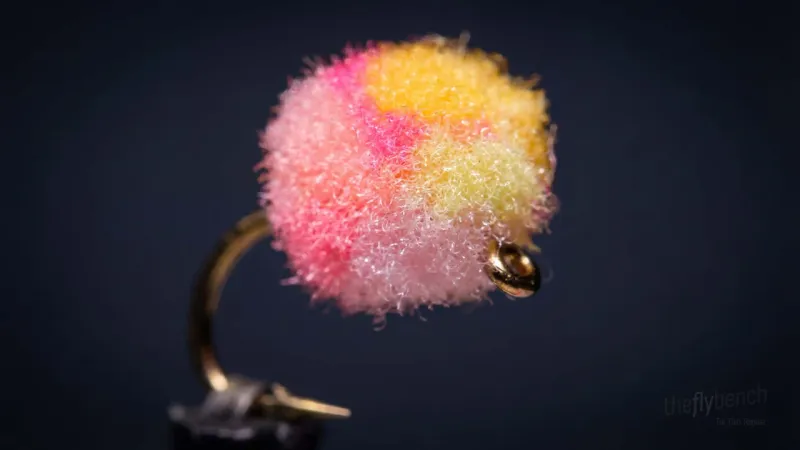
A steelhead and trout egg pattern made with soft chenille or yarn shaped into a loosely formed cluster. Usually tied on a curved hook in bright colors like apricot or pink with a subtle veil. Quick to tie and ideal for clear or pressured water.
Related patterns
Behavior & presentation
- Natural Behavior
- Egg clusters drift as loose, translucent masses that roll more slowly than individual eggs through spawning tributaries. Their larger profile and membrane material create highly visible targets that steelhead and resident trout compete for aggressively.
- Where Trout Eat It
- Fish intercept egg clusters near the bottom in slower seams and eddies below spawning activity.
- How to Fish It
- Drift along the bottom with natural bounce, imitating the slower roll of clustered eggs.
- Best Water
- Most effective in seams, eddies, and pockets below spawning redds where clusters accumulate in slower current.
- Strike Type
- Watch for indicator dips, subtle line tightening, or brief resistance during the drift.
Fishing strategy
- Rigging Suggestions
- Try using a strike indicator or a high-vis dry fly as an indicator when nymphing with this fly.
- Seasonal Timing
- Effective during peak feeding periods when water temperatures and conditions support active feeding behavior.
- Pro Tips
- The bright colors of the fly make it highly visible in the water, and the foam gives it a realistic buoyancy.
Entomology
Egg clusters form loose, translucent masses that drift more slowly than individual eggs, creating a larger, more visible target as they roll through spawning tributaries and steelhead rivers during fall and winter runs. The soft, yielding texture and semi-transparent appearance of egg clusters distinguishes them from single eggs, and they often represent multiple eggs stuck together with membrane material that makes them even more appealing to hungry fish. Steelhead, resident trout, and whitefish will aggressively compete for these protein-rich clusters, which accumulate in slower seams and eddies below spawning activity where fish can feed with minimal current resistance.
- Organism
- egg
- Life stage
- egg
Pattern details
- Stillwater
- Moving Water
- Pacific Northwest
- Great Lakes
- Alaska
- British Columbia
- dead-drift
- indicator-nymph
- beginner-friendly
- attractor
- searching-pattern