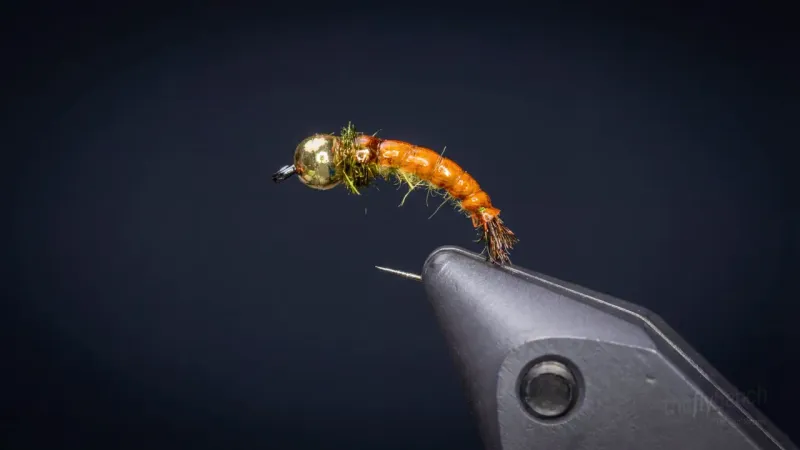
Overview
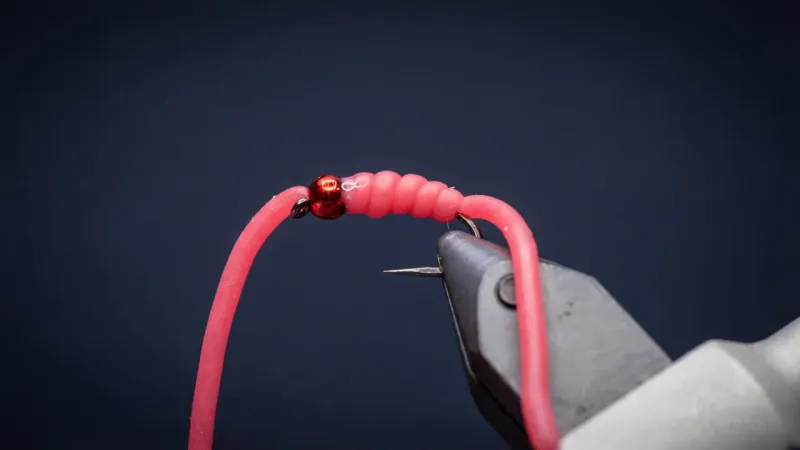
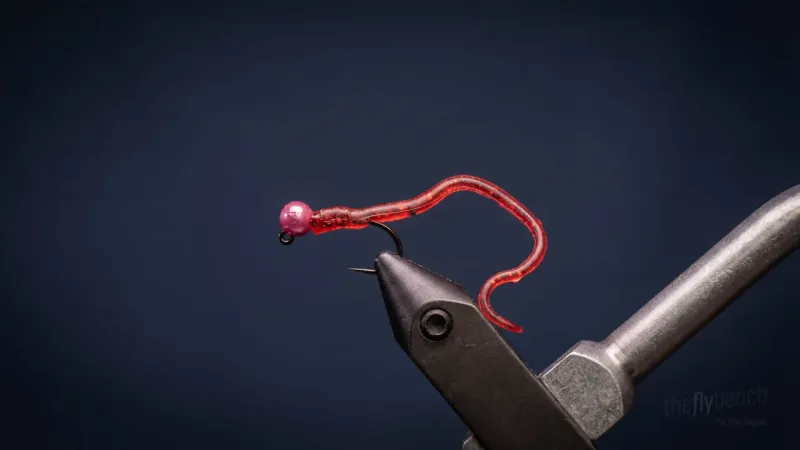
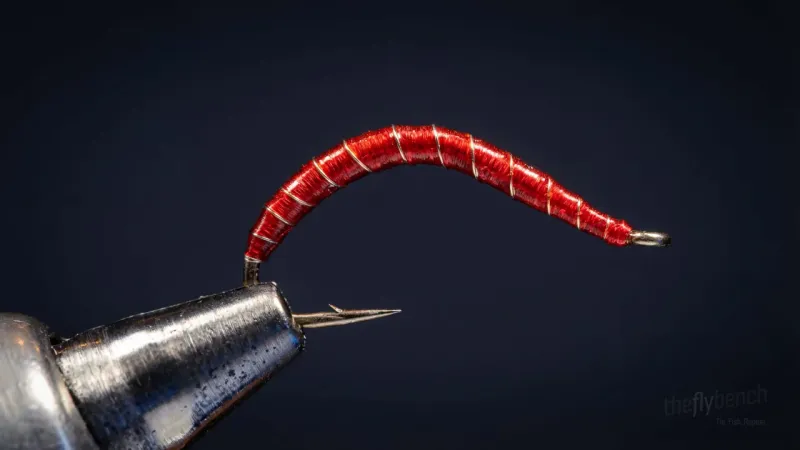
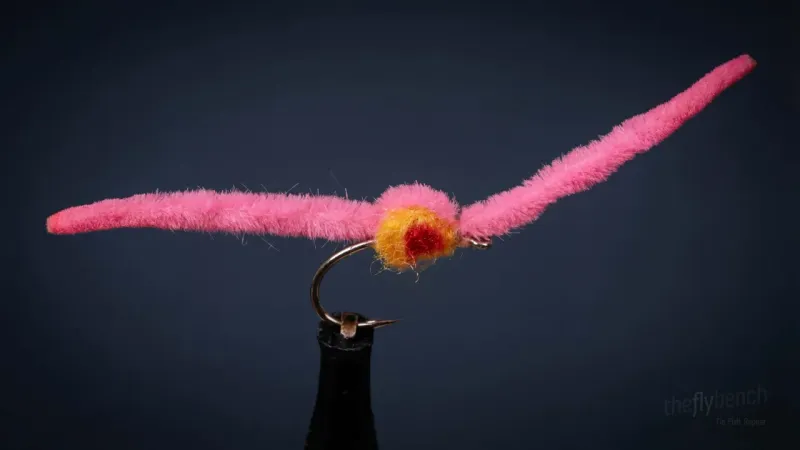
Developed by Cheech in December 2018, this pattern has become a go-to worm imitation for many anglers. The pattern's durability depends on keeping the flies cool, as extreme heat is the squirmy material's weakness. Soft Head coating adds extra durability and helps maintain the uniform body profile. The pattern can be tied in various colors including pink, red, tan, brown, and chartreuse to match different water conditions.
Related patterns
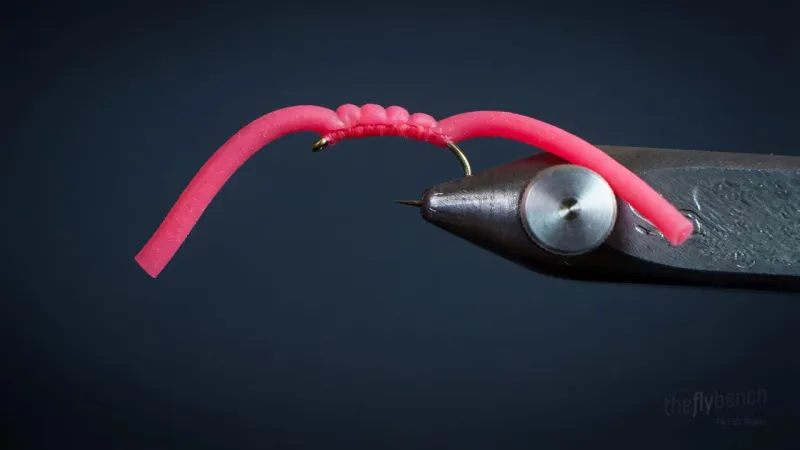
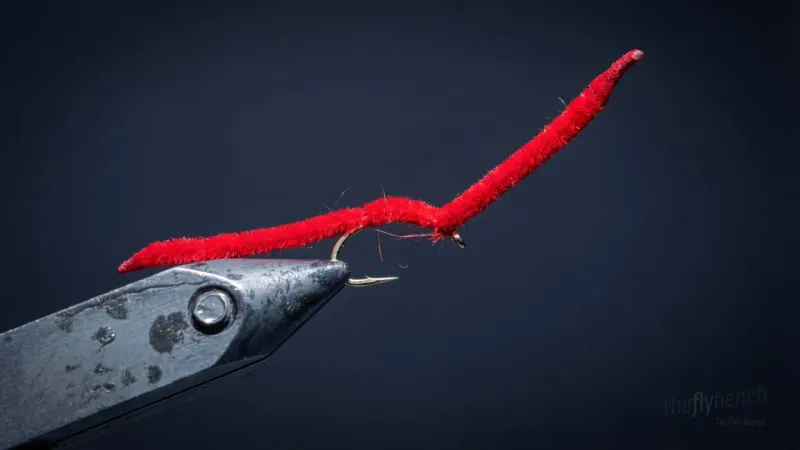
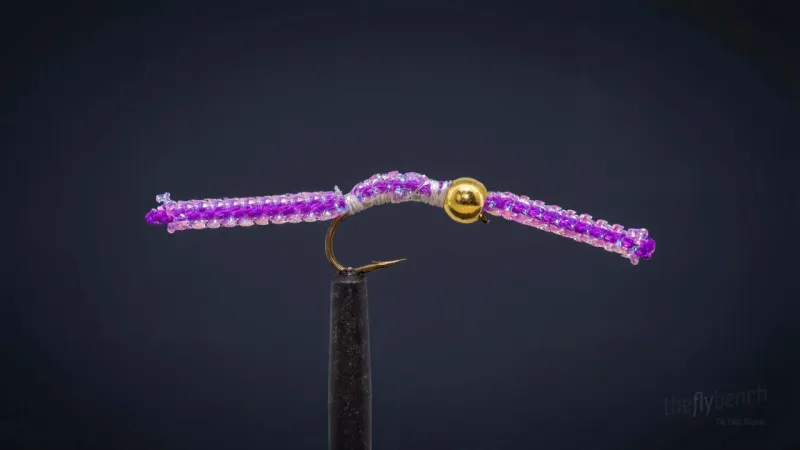
Behavior & presentation
- Natural Behavior
- Aquatic worms writhe through silt and gravel during high-water events, becoming exposed in water column where bright colors contrast against darker substrates. Floods concentrate hidden prey into feeding lanes, offering easy pickings during challenging conditions.
- Where Trout Eat It
- Fish hold near bottom in runs, pockets, and riffle edges at 2-6 foot depths where current delivers dislodged worms.
- How to Fish It
- Dead drift along bottom with weighted presentations, creating tumbling motion that matches helpless current-driven worms.
- Best Water
- Target pockets behind boulders where worms collect, runs with moderate depth, and riffle edges that concentrate drift.
- Strike Type
- Sag in sighter or subtle pause indicates fish intercepting worms during bottom drift in off-color conditions.
Fishing strategy
- Rigging Suggestions
- Fish on 9-12 foot leader with 4X-5X tippet. Works well as a point fly in euro nymphing setups or under an indicator in traditional nymphing. Can be paired with a smaller nymph as a dropper.
- Seasonal Timing
- Effective , particularly productive during high water conditions in and after rainstorms when natural worms wash into streams. Also excellent during when aquatic worms are a primary food source for trout.
- Pro Tips
- Sinks quickly with tungsten bead, reaching depths of 3-5 feet rapidly. The bright pink or red color provides excellent visibility to fish and creates an attractor effect.
Where to fish it
Rivers anglers pair with this fly, with local shops that stock it.
River details and fly shops from River & Run, our sister site.
Entomology
Aquatic worms writhe and pulse through silt and gravel during high-water events, becoming exposed in the water column where their bright colors contrast against darker substrates. Fish consume worms opportunistically because floods concentrate these usually hidden prey items into feeding lanes, offering easy pickings during otherwise challenging conditions.
- Organism
- worm
- Life stage
- general
Pattern details
- Moving Water
- Rocky Mountain
- Southwest
- tight-line-nymph
- competition
- dead-drift
- classic
- guide-fly
- beginner-friendly
- attractor
- searching-pattern
- high-water
- tailwater
- freestone
- spring-creek