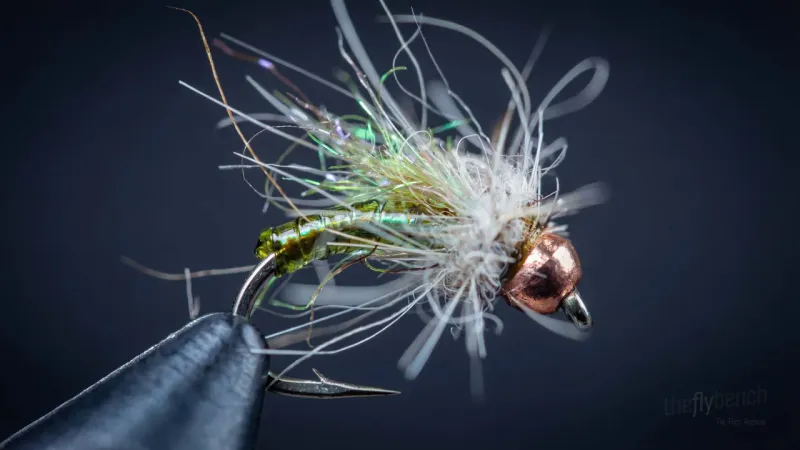
Overview
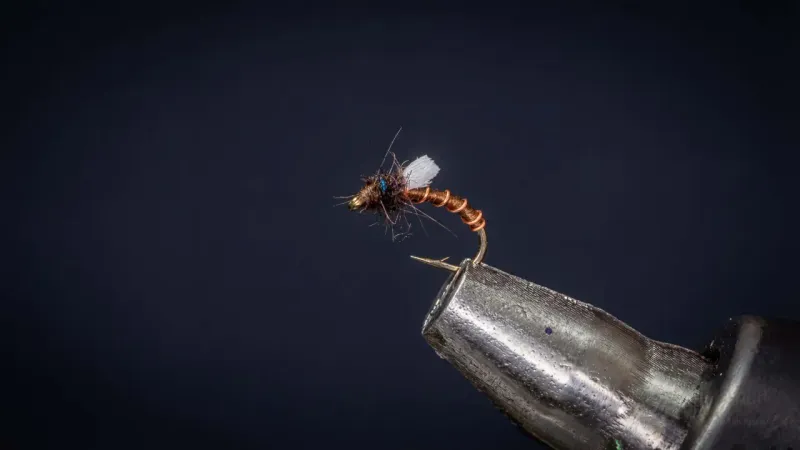
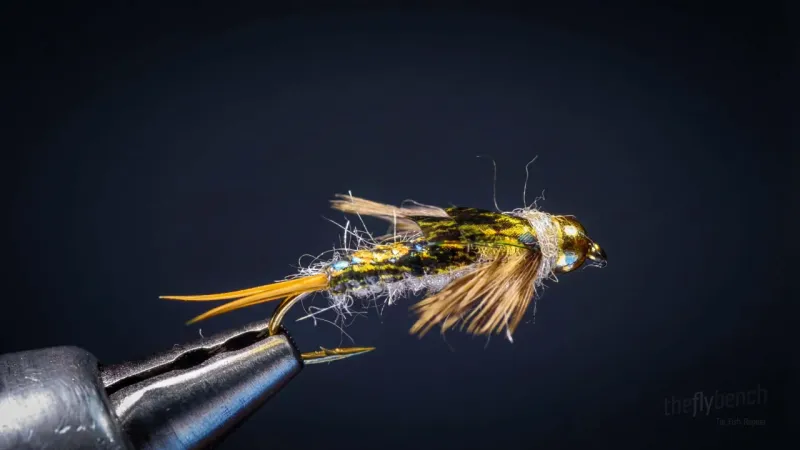
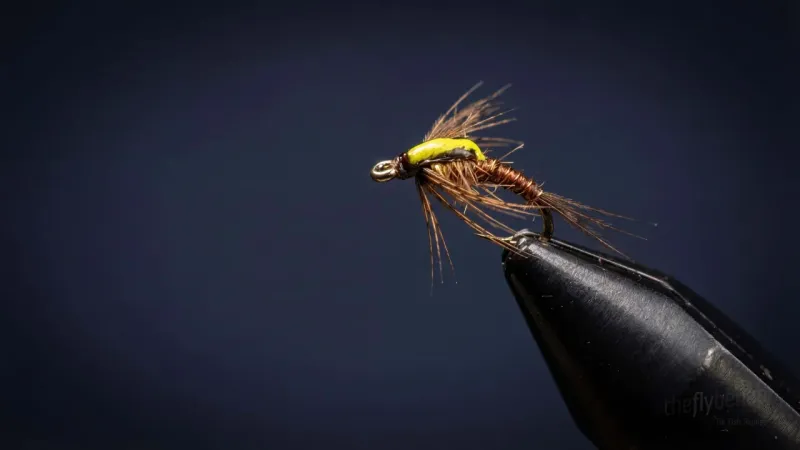
The Chocolate Foam Back is a versatile nymph pattern that can be tied in various sizes to match different insects. The foam back provides both buoyancy and a realistic segmented appearance. The copper wire ribbing adds durability and segmentation while also providing a subtle flash. The pattern sinks slowly due to the foam back, making it ideal for fishing in the film or just below the surface. Can be tied in different colors to match various aquatic insects.
Related patterns
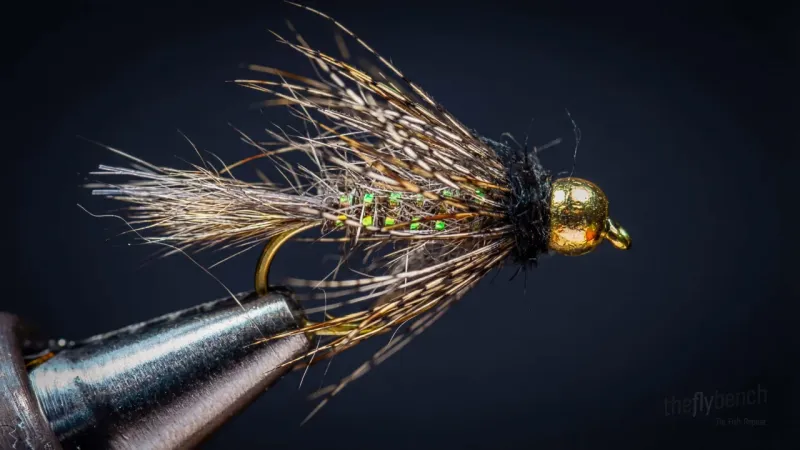
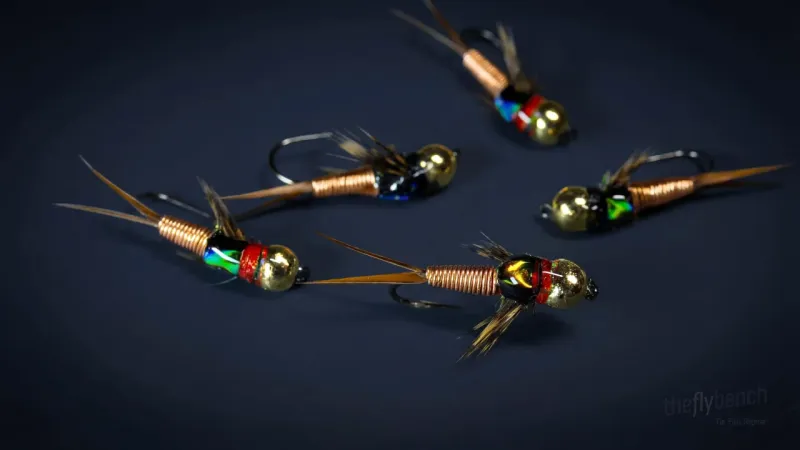
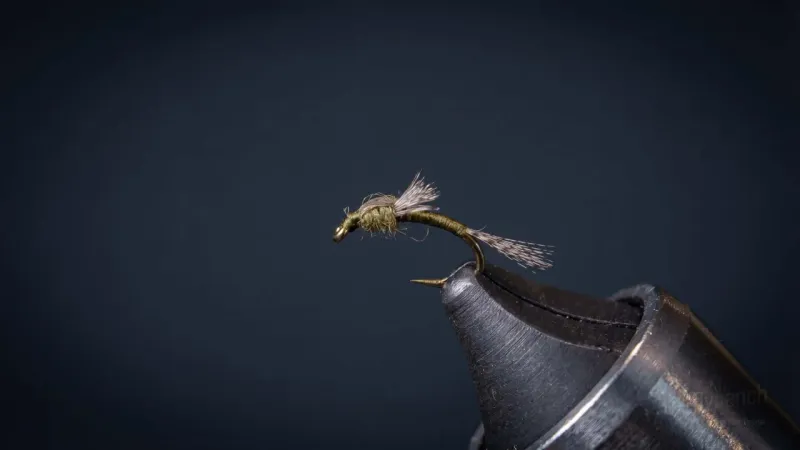
Behavior & presentation
- Natural Behavior
- Heavy-bodied stonefly nymphs cling to substrate using powerful claws, occasionally releasing their grip and tumbling downstream before reattaching. Pre-emergence movements and bottom disturbances increase their availability, making them priority targets for substantial nutrition.
- Where Trout Eat It
- Fish hold in mid-water columns near structure in pocket water and runs where drifting nymphs concentrate at moderate depths.
- How to Fish It
- Dead drift through feeding lanes using the foam back to suspend the fly in the water column naturally.
- Best Water
- Target pocket water, runs, and riffle edges in freestone streams where current delivers consistent nymph drift to holding fish.
- Strike Type
- Watch for indicator dips, subtle line tightening, or hesitations signaling fish intercepting the drifting nymph.
Fishing strategy
- Rigging Suggestions
- Works well as part of a two-fly nymph rig, either as a dropper or lead fly.
- Seasonal Timing
- Peak activity during moderate temperatures, typically mid-morning through afternoon during optimal conditions.
- Pro Tips
- Adjust presentation depth and speed based on fish activity level and current conditions for best results.
Entomology
Stonefly nymphs cling to substrate in fast water using powerful tarsal claws, occasionally releasing their grip and tumbling downstream before reattaching. Their heavy-bodied drift provides substantial nutrition, making them priority targets during periods when bottom disturbances or pre-emergence movements increase availability in feeding lanes.
- Order
- Plecoptera
- Common name
- Stonefly
- Organism
- insect
- Life stage
- nymph
Pattern details
- Moving Water
- Worldwide
- dead-drift
- indicator-nymph
- baetis-hatch
- stonefly-hatch
- beginner-friendly
- searching-pattern