


Overview
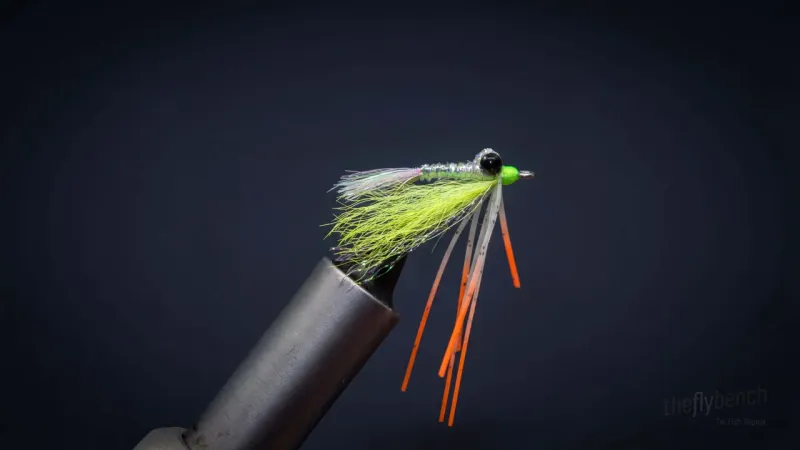
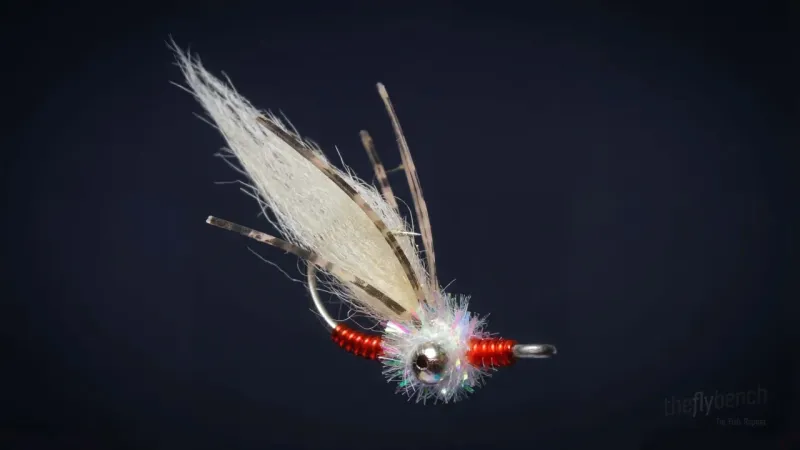
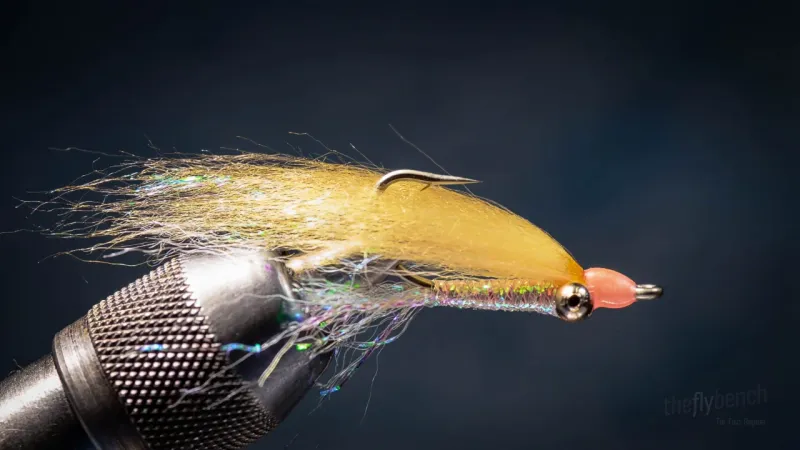
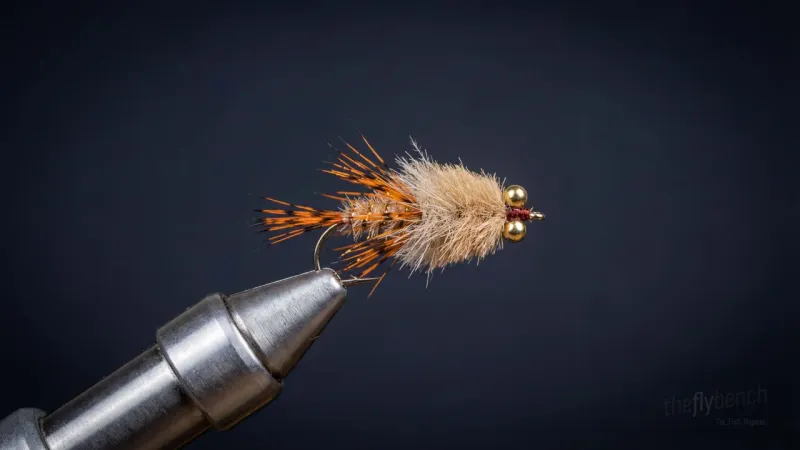
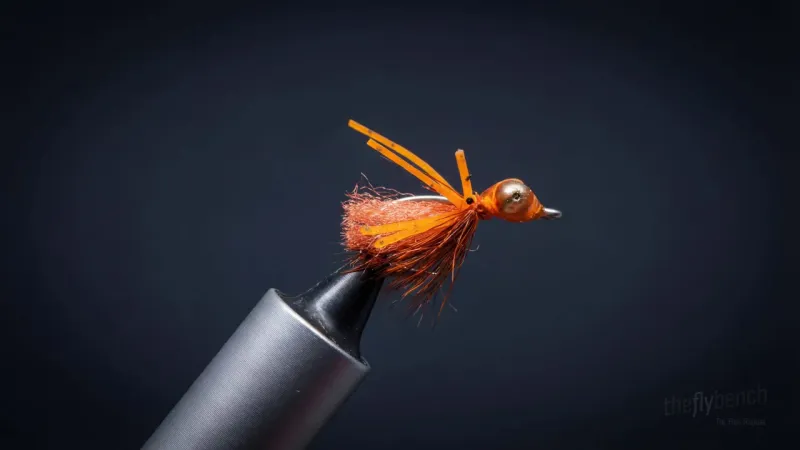
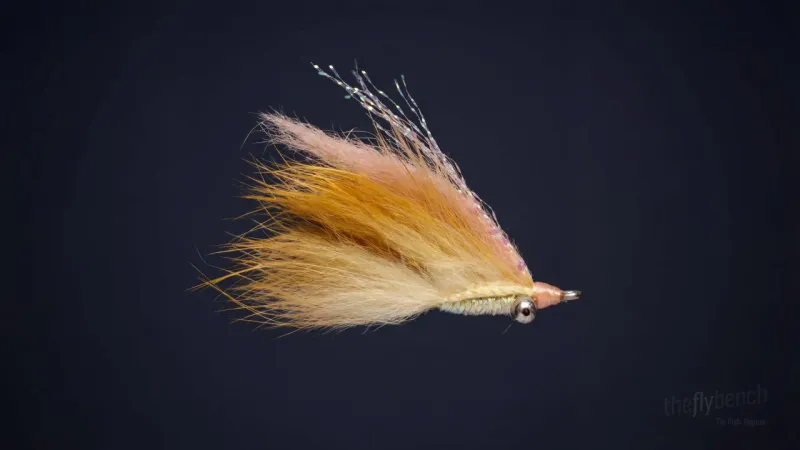
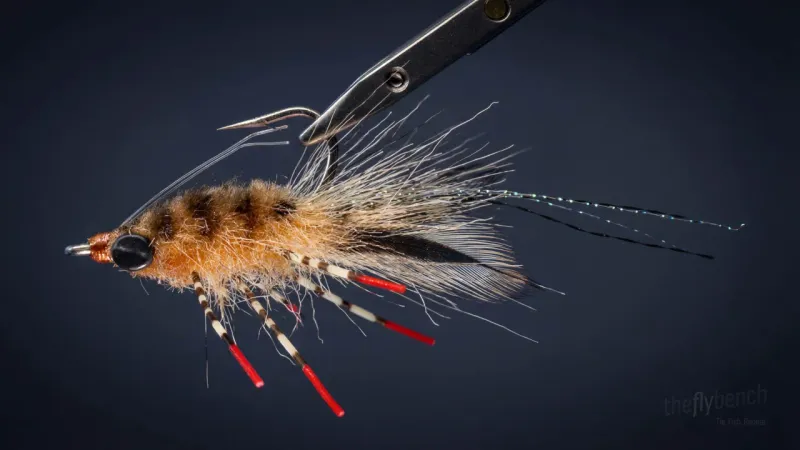
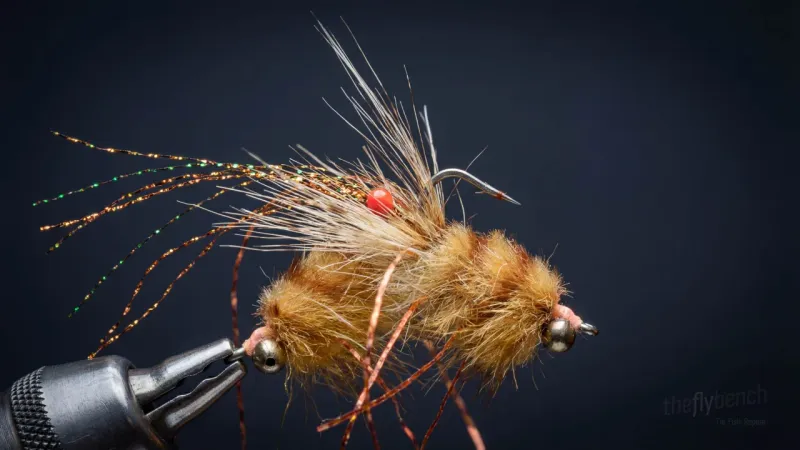
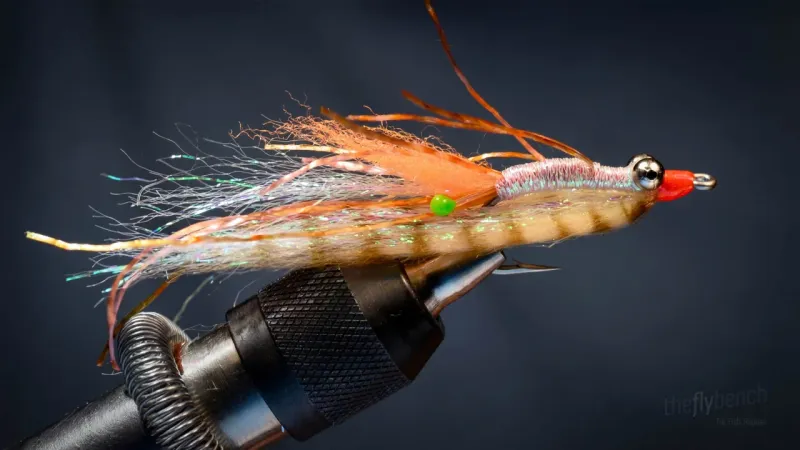
Originally designed as a stonefly nymph, this pattern features silicone legs that pulse naturally in current, creating lifelike movement in fast runs and pocket water. The simple design uses a dubbed or chenille body with rubber legs extending from the thorax and a bead or conehead for weight. Can be tied in various colors to match different prey items from stoneflies to crustaceans. The silicon legs are the key feature that brings this pattern to life underwater.
Related patterns
Behavior & presentation
- Natural Behavior
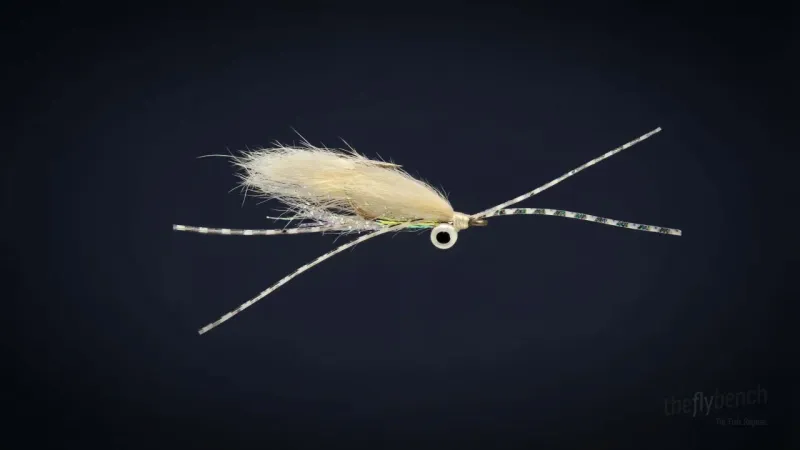
- Crustaceans use jerky, pulsating movements to propel across sand and grass, performing quick backward hops when threatened. Partially buried in sediment with antennae visible, they become targets when gamefish detect movement.
- Where Trout Eat It
- Bonefish and permit hunt systematically across flats, grass beds, and mangrove margins during tidal movements.
- How to Fish It
- Strip slowly with short pulls and pauses, adding twitches to pulse the legs like fleeing prey.
- Best Water
- Target shallow flats, grass edges, channel swings, drop-offs, and mangrove structure.
- Strike Type
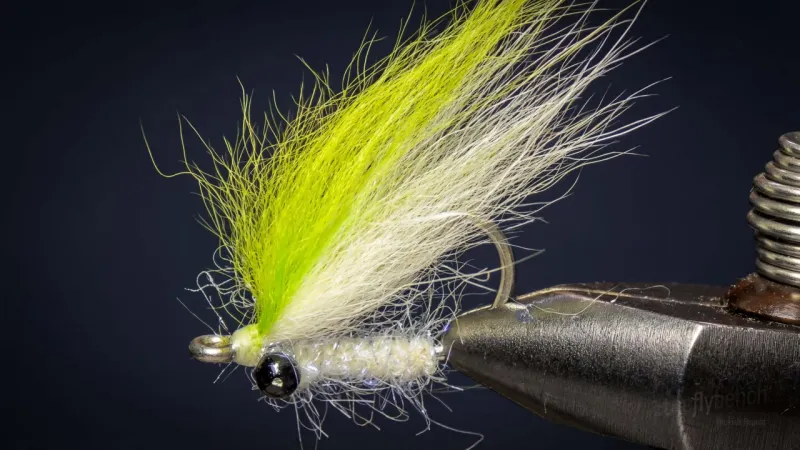
- Bonefish and permit inhale this pattern in a quick rush, creating a visible puff of sand and sudden line-draw—strip-set horizontally when you see or feel acceleration.
Fishing strategy
- Rigging Suggestions
- Use a 9-12 foot leader tapered to 12-20 lb fluorocarbon tippet depending on target species. Match tippet to fly size and fish wariness.
- Seasonal Timing
- Effective during peak feeding periods when water temperatures and conditions support active feeding behavior.
- Pro Tips
- Lead cruising fish by 3-5 feet and let the fly sink before beginning your retrieve. The flash and vibrant legs create high visibility in clear water, but scale down color intensity in ultra-clear conditions. A single quick strip followed by a long pause often triggers aggressive takes from following fish.
Entomology
Saltwater crustaceans like mantis shrimp and small crabs inhabit sand flats and turtle grass beds, using jerky, pulsating leg movements to propel themselves across the bottom. When threatened, they perform quick backward hops or bury themselves partially in sediment, leaving only their antennae visible. Game fish like bonefish and permit hunt these flats systematically, targeting the telltale disturbances and leg movements that signal a fleeing crustacean.
- Organism
- crustacean
- Life stage
- general
Pattern details
- Saltwater
- Caribbean
- Gulf Coast
- Southeast
- Seychelles
- Central America
- South America
- sight-fishing
- strip-retrieve
- flats
- stonefly-hatch
- attractor
- searching-pattern
- low-clear-water