

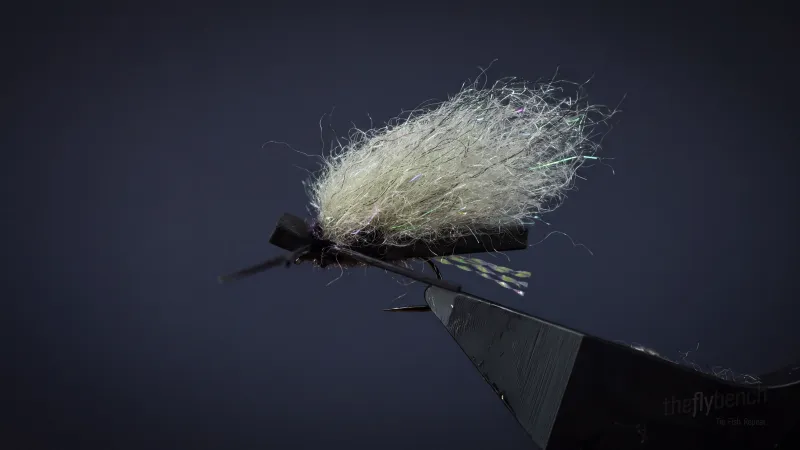
Overview
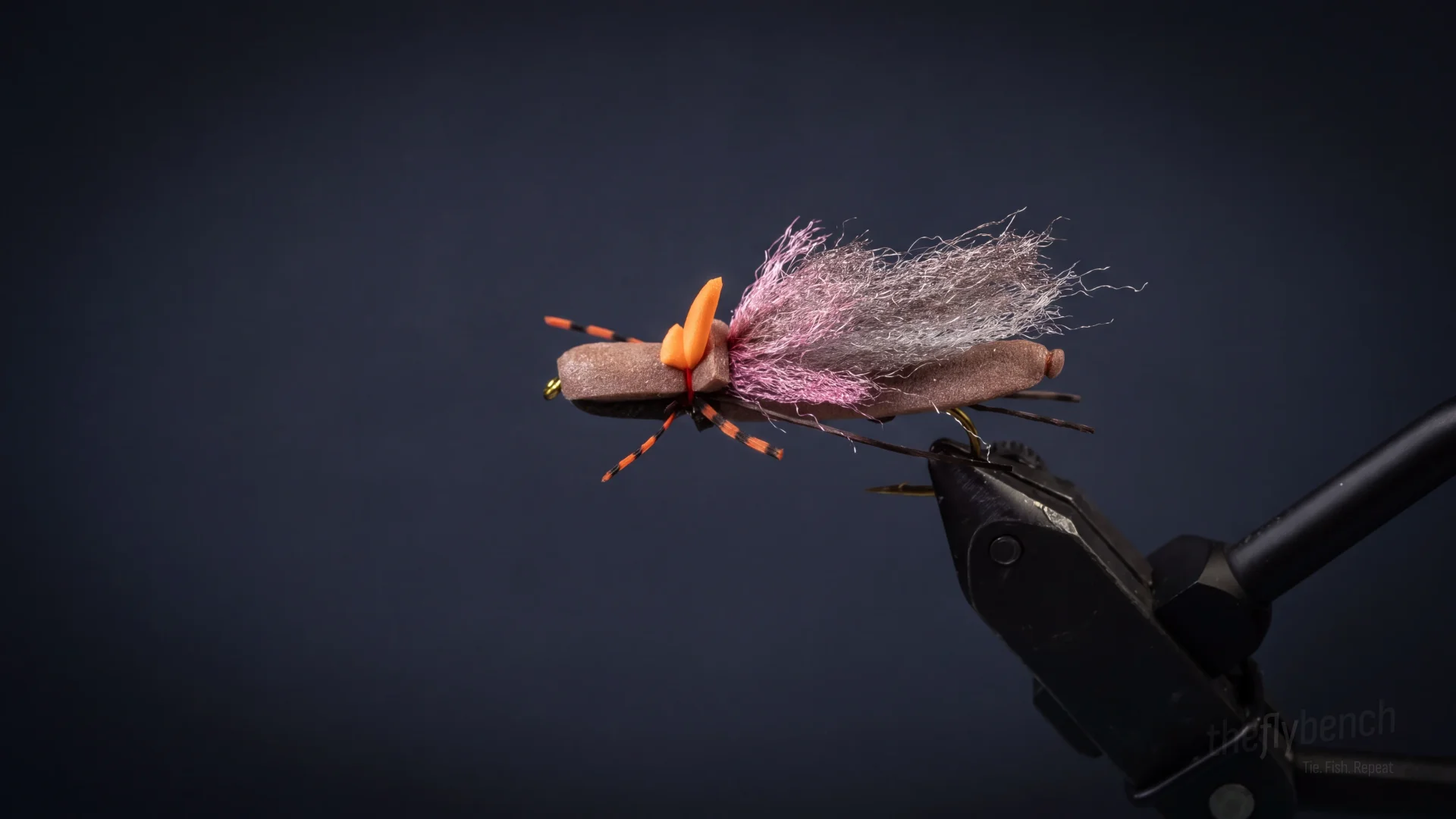
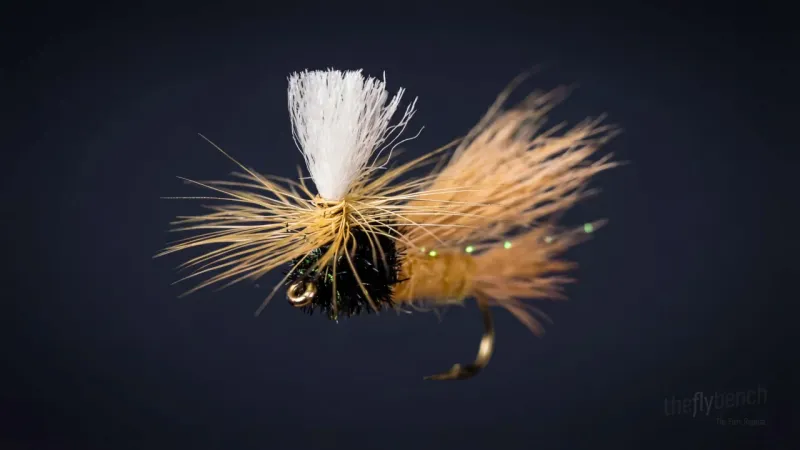
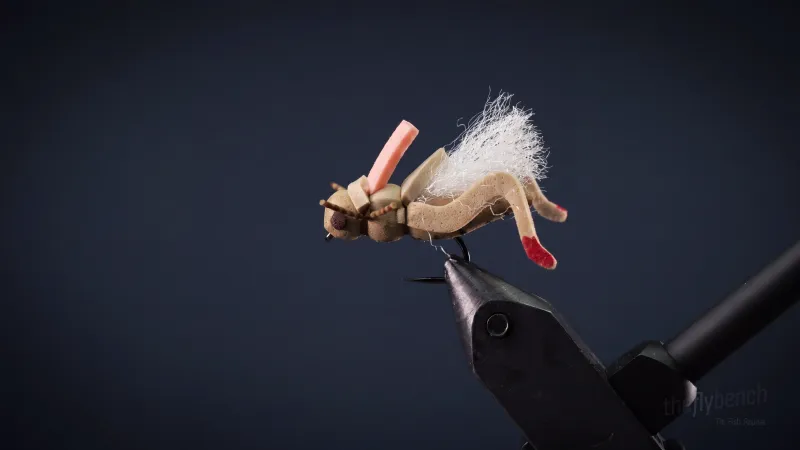
Cheech of Fly Fish Food designed the C-17 in 2024 for the stage of the salmonfly hatch when trout have seen every common pattern and grown wary. The layered body uses 3mm black foam under 2mm brown, colored and segmented, with Flex-Floss tails, a light dun, white and pink Ultra Dry Yarn wing, and an orange foam sighter. It floats a moderate dropper, and changing size and color adapts it to other stoneflies.
Related patterns
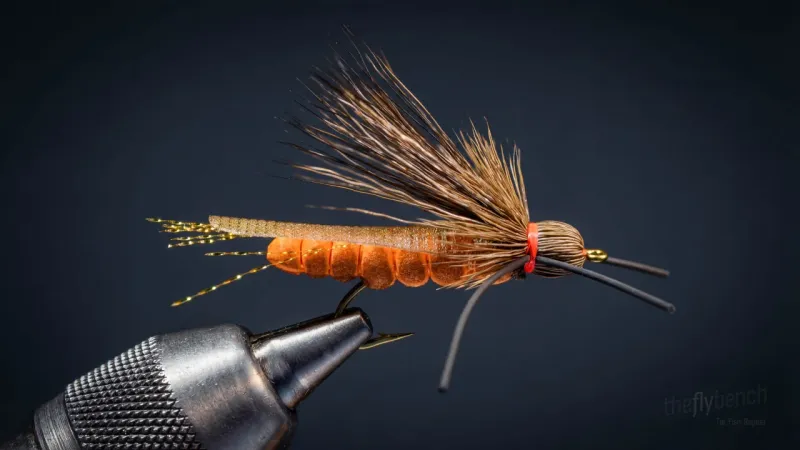
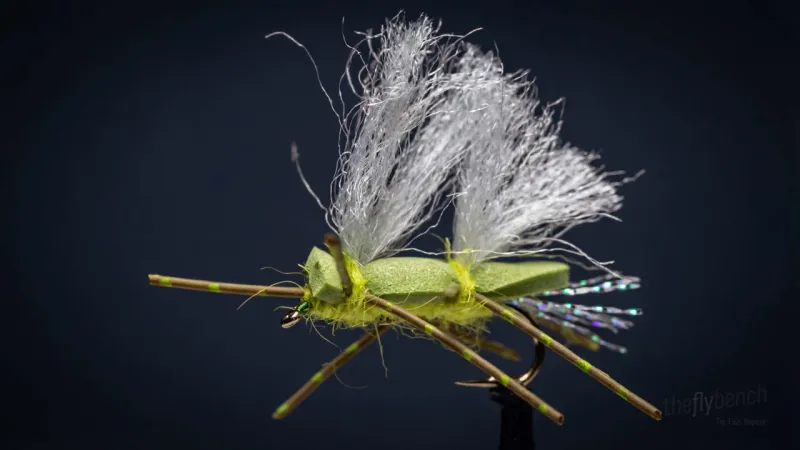
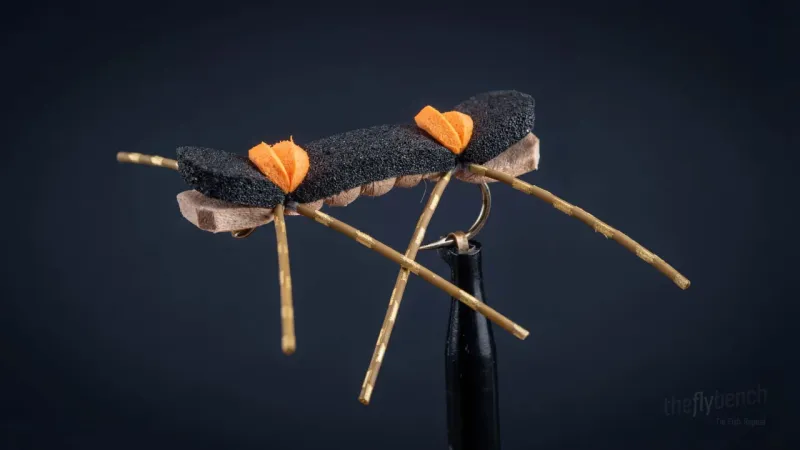
Behavior & presentation
- Natural Behavior
- Adult salmonflies are heavy, poor fliers that crash onto the current from overhanging willows and grass, then kick and flutter as they drift. Egg-laying females slap the surface repeatedly on late-afternoon flights.
- Where Trout Eat It
- Big fish slide tight to grassy and brushy banks, holding in slow water just off the bank where fallen adults drift past in the first foot of current.
- How to Fish It
- Land the fly with an audible plop a few inches off the bank and dead drift it, adding a single short twitch when it passes a likely lie to imitate a struggling adult.
- Best Water
- Undercut banks, willow-lined edges, foam lines below riffles, and the soft seams behind boulders and downed trees.
- Strike Type
- A heavy, deliberate gulp or a loud slash from below. Pause a beat before setting so the trout can close on the large foam body.
Fishing strategy
- Rigging Suggestions
- A 7.5 to 9-foot leader tapered to 1X or 2X turns the bulky size 2 fly over and handles big fish near wood. Hang a stonefly nymph 18 to 30 inches below when trout are holding deep.
- Seasonal Timing
- Fish it from late May through early July as the salmonfly hatch moves upriver, and keep it on in the weeks after the peak when trout have grown wary of standard patterns.
- Pro Tips
- The orange sighter tracks easily in broken water. When fish begin refusing, drop a size or trim the legs shorter, and dress the yarn wing with floatant so it stays upright.
Entomology
Salmonfly nymphs crawl to shore to emerge, and the large adults gather in streamside brush before clumsy flights carry them back over the river. Mating adults and egg-laying females regularly fall to the surface, where their size makes them a meal trout will rise for even in heavy current.
- Order
- Plecoptera
- Family
- Pteronarcyidae
- Common name
- Salmonfly
- Organism
- insect
- Life stage
- adult
Pattern details
- Moving Water
- Rocky Mountain
- Pacific Northwest
- stonefly-hatch
- dead-drift
- dry-dropper
- modern
- freestone