



Overview
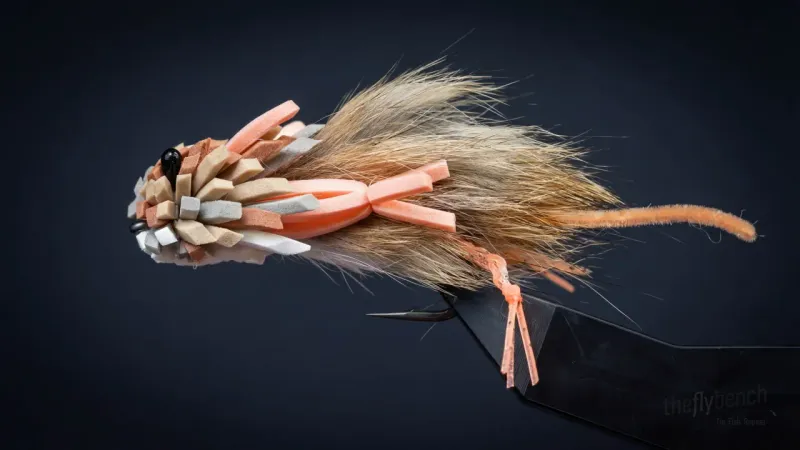
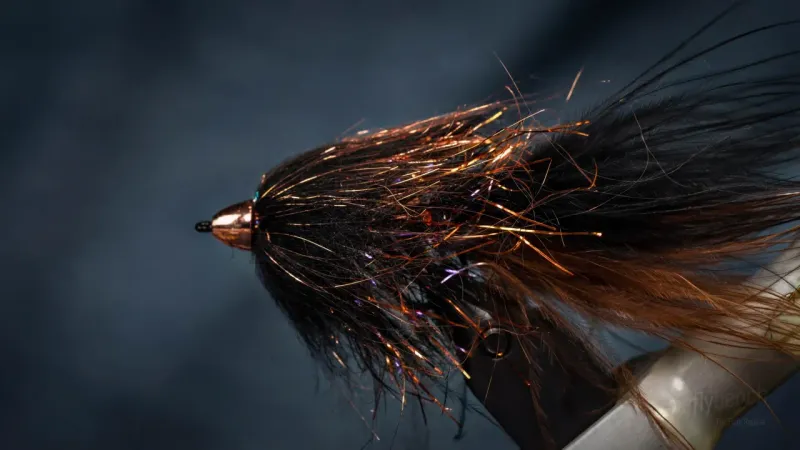
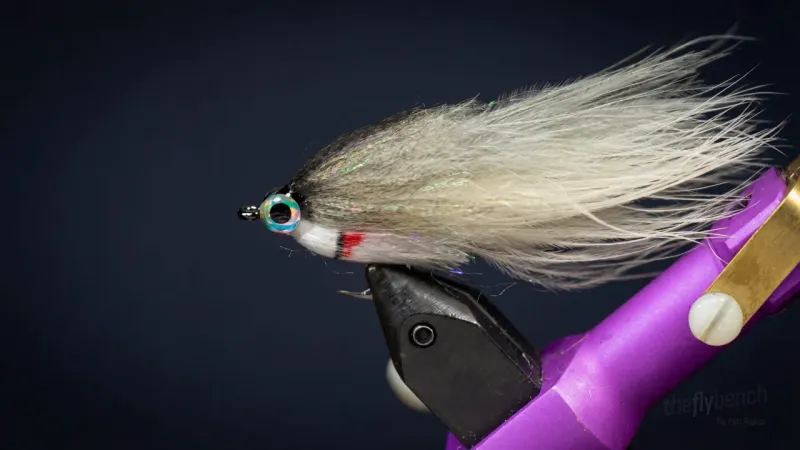
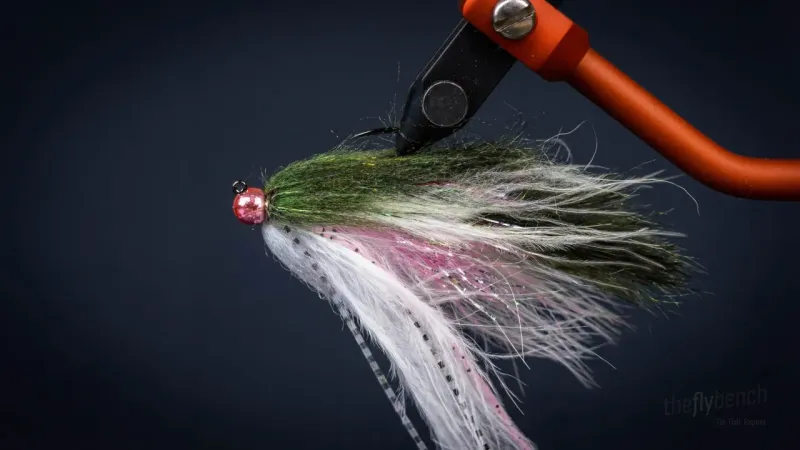
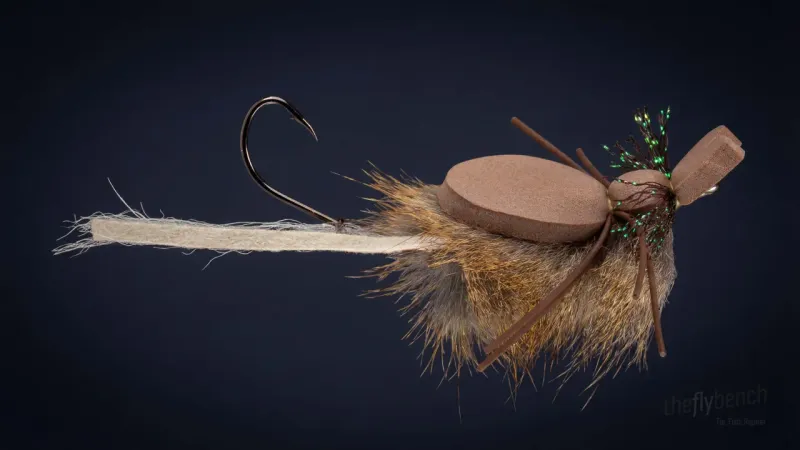
The Bubble Gum Mouse has earned its reputation as one of the most requested patterns for traveling anglers during fall fishing expeditions. The unconventional pink and black color scheme creates high contrast visibility that appeals to predatory fish across diverse water types and geographic regions. This pattern's popularity stems from its consistent ability to draw attention and trigger strikes from trophy-sized fish seeking substantial meals.
Related patterns
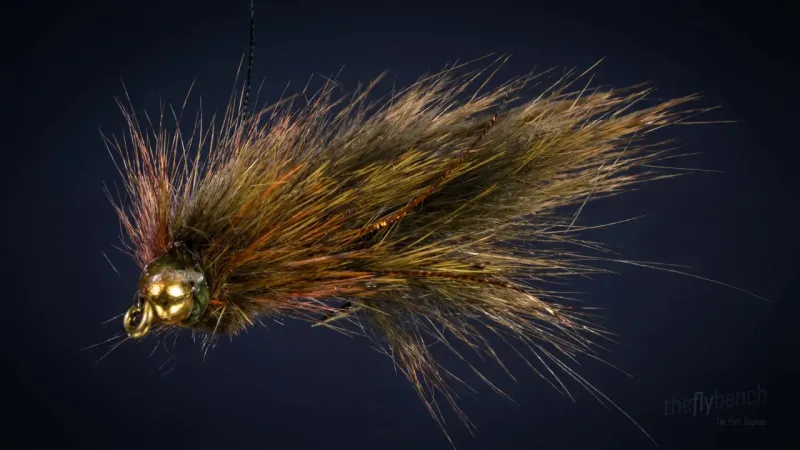
Behavior & presentation
- Natural Behavior
- Swimming mice churn water desperately during crossings, creating distinctive V-shaped wakes as they flee to safety. Large predators attack these rodents because they represent rare massive-protein opportunities sustaining trophy fish for days.
- Where Trout Eat It
- Predators ambush from undercut banks and drop-offs, exploding upward from holding lies near structure.
- How to Fish It
- Retrieve with twitching stop-and-go cadence, creating surface disturbance that mimics swimming rodents.
- Best Water
- Fish undercut banks and weed edges in low light, working structure breaks where predators stage for ambush.
- Strike Type
- Expect explosive surface strikes with violent takes as large fish attack from below.
Fishing strategy
- Rigging Suggestions
- Use a stout 7-9 weight rod with a floating line. Leader should be 6-9 feet of 0X-2X fluorocarbon to handle aggressive strikes and protect against abrasion near structure.
- Seasonal Timing
- Prime time is late through , particularly during low-light conditions at dawn and dusk when predatory fish actively feed on surface prey. Most effective during low-light periods including dawn, dusk, and overcast conditions.
- Pro Tips
- The foam body provides excellent buoyancy, keeping the pattern riding high on the surface film. The bright pink coloration ensures high visibility for both angler and fish in various lighting conditions.
Entomology
Mice swim desperately across rivers and lakes during seasonal migrations or when flooded from streambanks, their legs churning water and creating V-shaped surface wakes. Large predatory fish attack swimming rodents because they represent rare opportunities to consume massive protein packages that can sustain trophy fish for days.
- Organism
- rodent
- Life stage
- general
Pattern details
- Moving Water
- Stillwater
- Great Lakes
- Midwest
- active-retrieve
- strip-retrieve
- guide-fly