



Overview
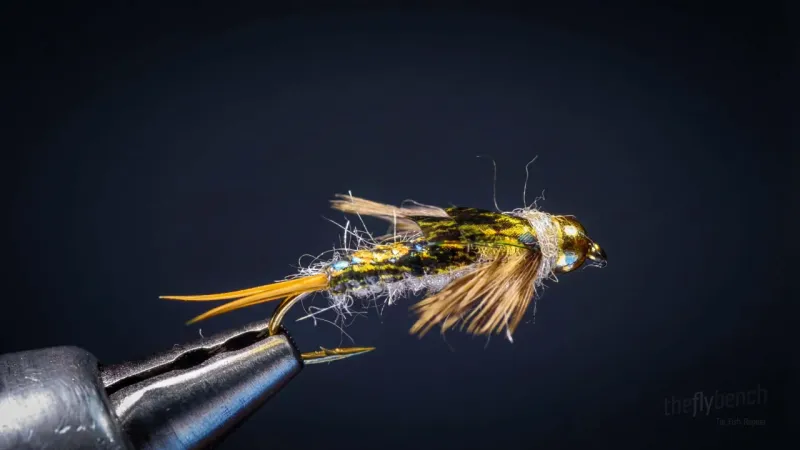
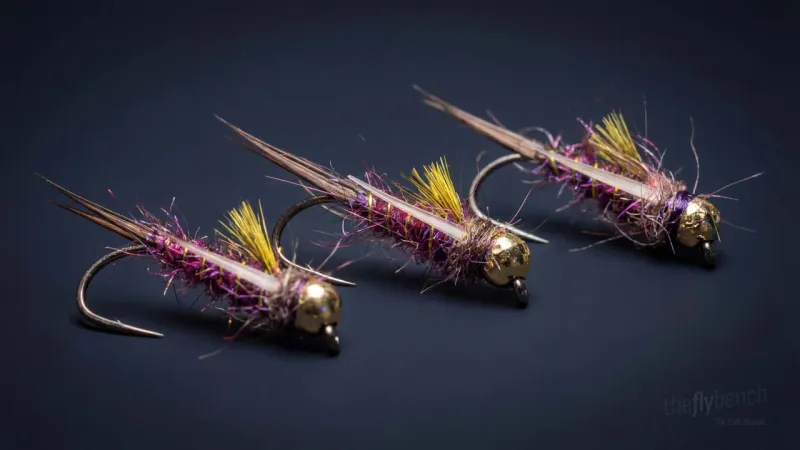
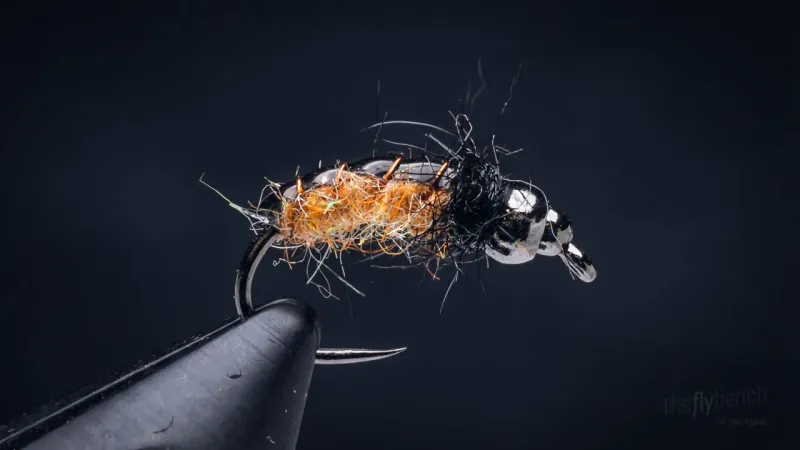
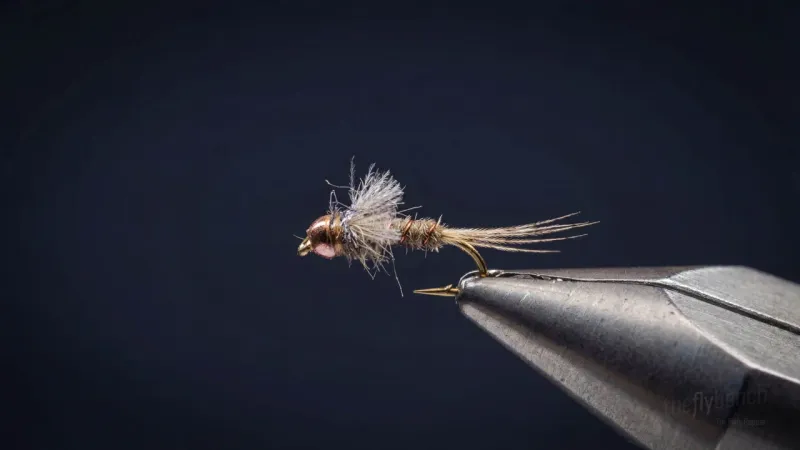
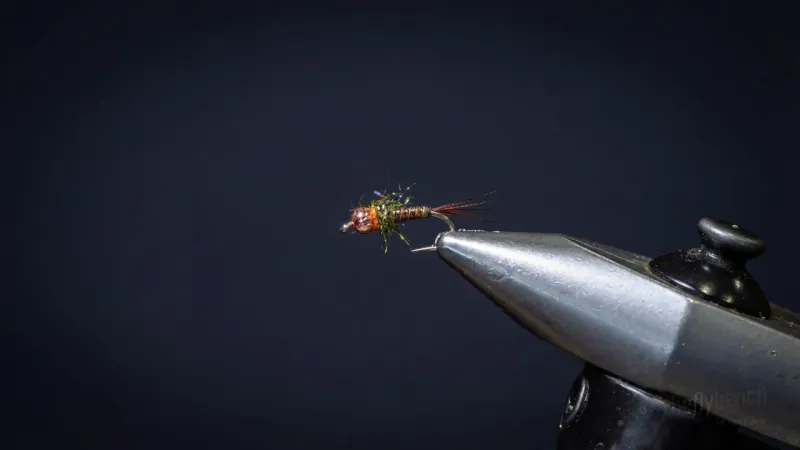
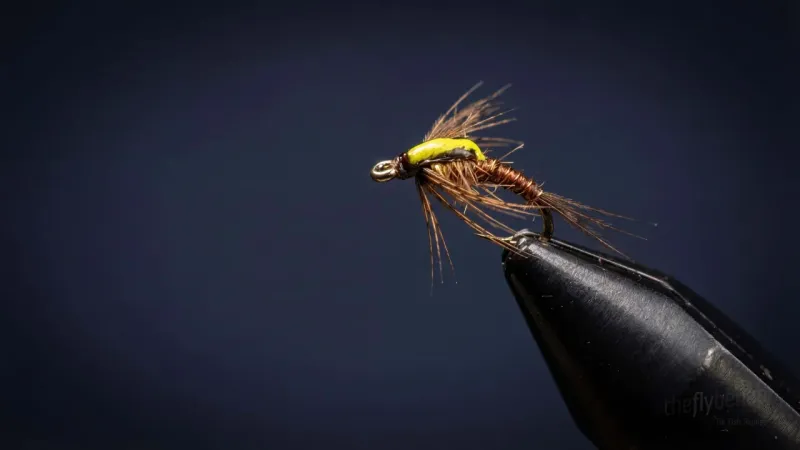
This pattern from Trident Fly Fishing demonstrates how to tie a versatile nymph that works across various steelhead waters. The UV-resin coating over the abdomen creates durability and adds translucency that mimics natural insects. The bright chartreuse coloration is particularly effective in off-color water and low-light conditions. Tiers can adapt colors to match local conditions—olive, orange, and pink variations are also productive.
Related patterns
Behavior & presentation
- Natural Behavior
- Mayfly nymphs release into the drift during territorial disputes and pre-emergence migrations, tumbling helplessly along the bottom through feeding zones. Steelhead intercept these drifting nymphs opportunistically, capitalizing on high-protein prey during their spawning runs.
- Where Trout Eat It
- Steelhead hold near bottom in runs and riffles, feeding in slower water adjacent to current seams.
- How to Fish It
- Dead drift under indicator or tight-line, keeping the fly bouncing along bottom in the strike zone.
- Best Water
- Work runs and tail-outs in Great Lakes tributaries, targeting current breaks where steelhead stage and rest.
- Strike Type
- Watch for indicator dips and subtle line tightening as steelhead mouth the drifting nymph.
Fishing strategy
- Rigging Suggestions
- Use as part of a two-fly rig with an egg pattern or another attractor nymph. Fish under an indicator with enough weight to reach the bottom.
- Seasonal Timing
- , winter, and spring steelhead runs. Peak fishing typically occurs October through April on Great Lakes tributaries and fall through spring on Pacific Northwest rivers.
- Pro Tips
- Sinks readily to reach holding steelhead. The UV-resin coating adds subtle flash and durability through multiple fish.
Entomology
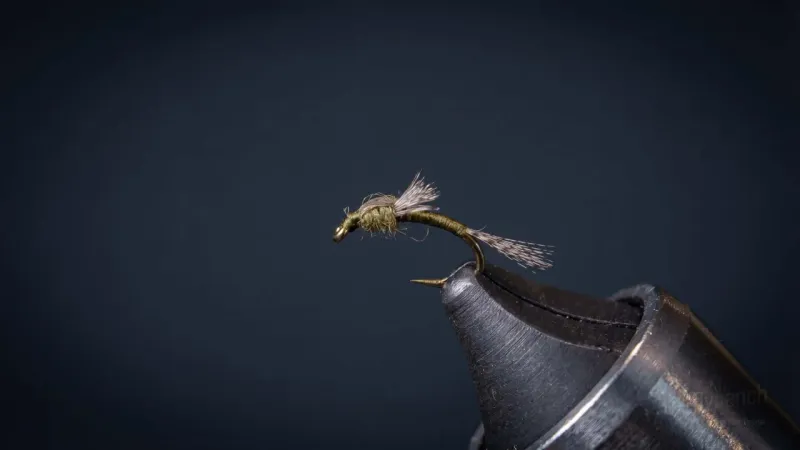
Mayfly nymphs inhabit rocky substrates where they graze on algae and detritus, occasionally releasing into the drift during territorial disputes or active migrations toward emergence habitat. Steelhead and resident trout intercept these drifting nymphs opportunistically, recognizing their high occurrence rates during pre-emergence behavioral drift and their dense nutritional composition.
- Order
- Ephemeroptera
- Common name
- Mayfly
- Organism
- insect
- Life stage
- nymph
Pattern details
- Moving Water
- Pacific Northwest
- Great Lakes
- Alaska
- British Columbia
- dead-drift
- indicator-nymph
- baetis-hatch
- attractor
- searching-pattern
- high-water