Overview
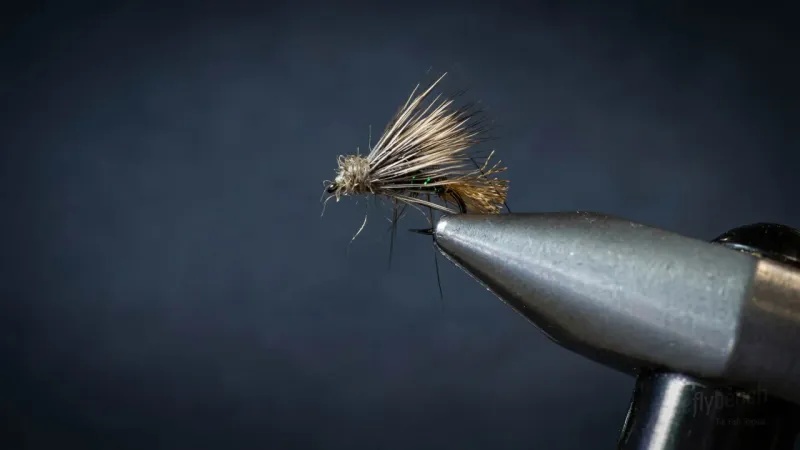
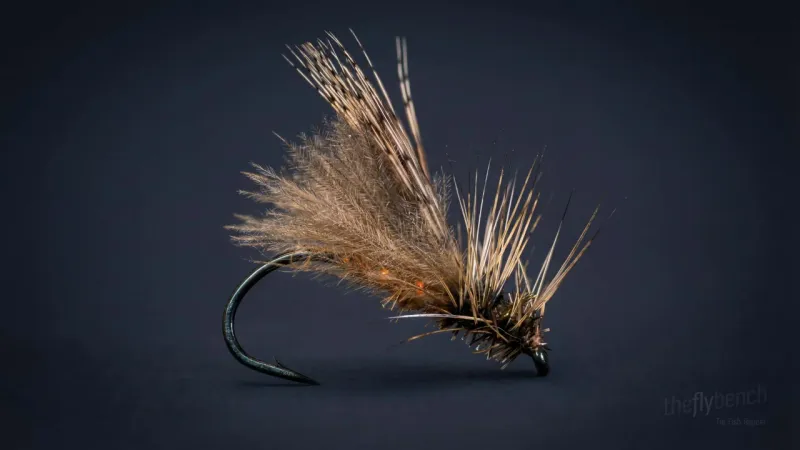
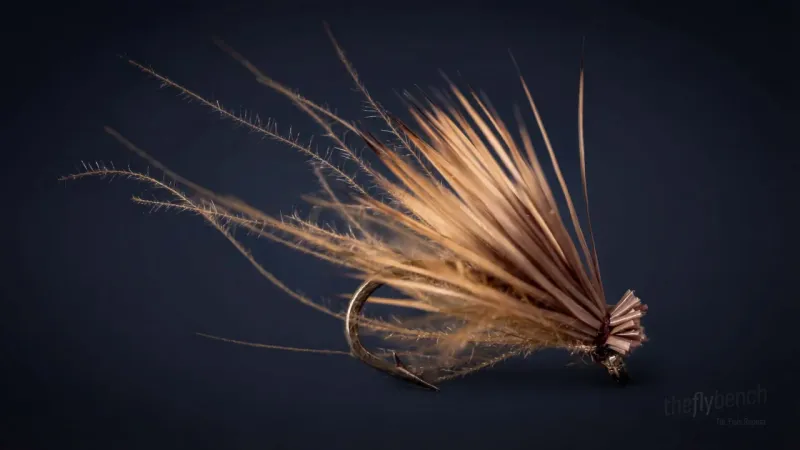
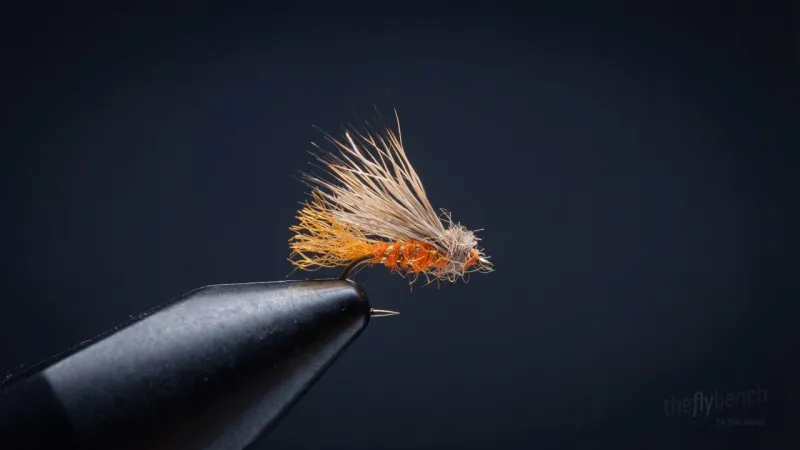
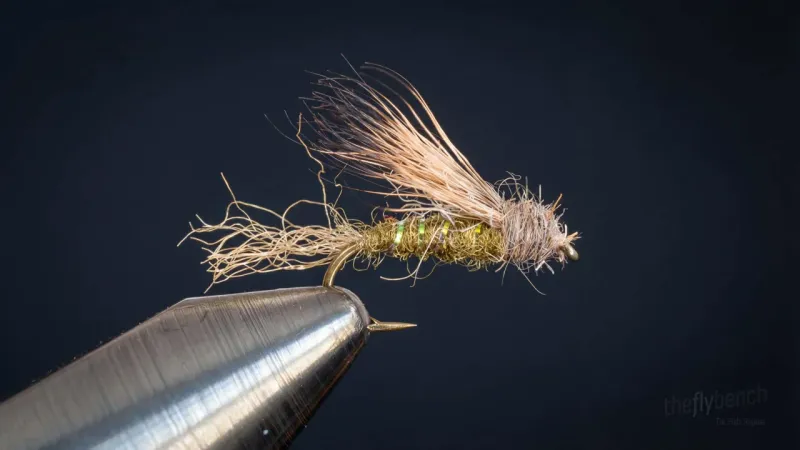
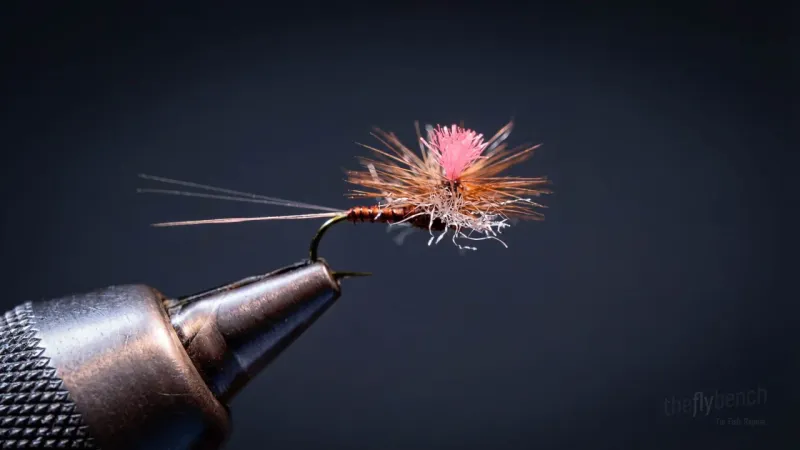
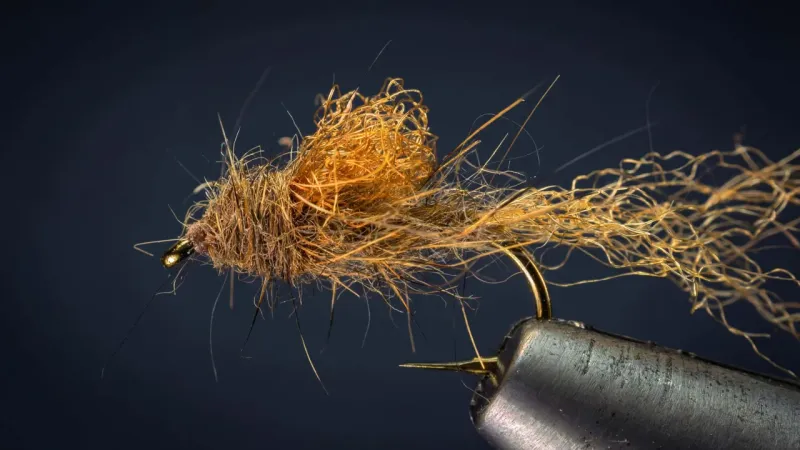
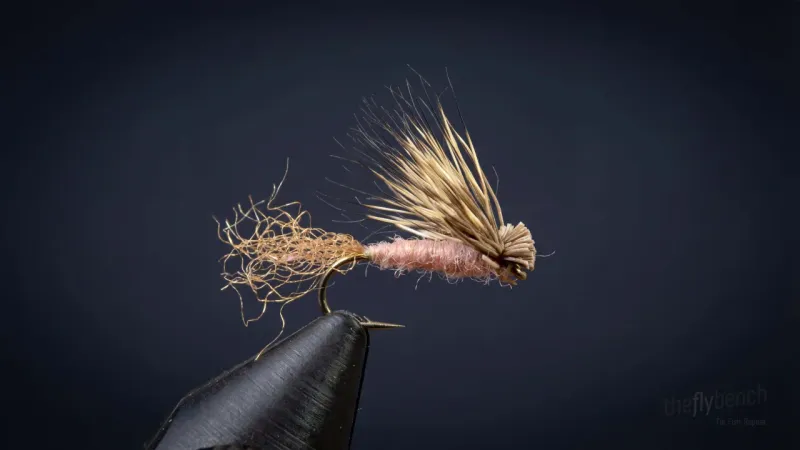
The Olive X2 Caddis was developed at Blue Ribbon Flies to match the olive-bodied caddis species common during Mother's Day and other spring caddis hatches. The Brachycentrus olive dubbing specifically matches the grannom and apple caddis that trout key on during early season emergences. The X2 design combines emerger and dry fly characteristics.
Related patterns
Behavior & presentation
- Natural Behavior
- Adult caddisflies skate and flutter across the surface during egg-laying activity, their wings creating visible wakes as they touch down repeatedly. The X-Caddis style with trailing shuck suggests caddis transitioning through the surface film or exhausted adults sitting low in the water after ovipositing runs.
- Where Trout Eat It
- Trout target this Brachycentrus olive emerger during Mother's Day caddis hatches on freestone rivers, focusing on the trailing shuck and low-riding profile in tail-outs and foam lines. Fish key on the olive-bodied caddis species during early season emergences on the Madison, Yellowstone, and Henry's Fork.
- How to Fish It
- Dead drift with occasional lifts or swings at the end of the drift to trigger strikes during caddis emergences. The Zelon shuck trails below while the deer hair wing rides in the film—fish alone or as part of a dry-dropper rig during heavy Mother's Day hatches.
- Best Water
- Most productive in tail-outs, foam lines, and seams of the Madison, Yellowstone, and Henry's Fork during April-May grannom and apple caddis hatches. Target slicks and eddies where olive-bodied emergers collect during late morning and early afternoon.
- Strike Type
- Confident rises or explosive splashes occur as fish track the skittering emerger through the drift.
Fishing strategy
- Rigging Suggestions
- Fish on 9-12 foot leader with 5X tippet. The buoyant design floats well even in broken water. Consider as part of a dry-dropper rig during heavy hatches.
- Seasonal Timing
- Most effective from April through September during various caddis emergences. Particularly productive during Mother's Day caddis hatches and other /early caddis activity.
- Pro Tips
- The natural deer hair wing provides good visibility and floatation. Pattern rides in the film with the shuck trailing below.
Where to fish it
Rivers anglers pair with this fly, with local shops that stock it.
River details and fly shops from River & Run, our sister site.
Entomology
Adult caddisflies skitter and flutter across the water surface during mating flights, often returning repeatedly to dip and lay eggs. Fish key on these erratic surface movements because caddis represent substantial nutrition and trigger aggressive feeding responses during peak emergence periods.
- Order
- Trichoptera
- Common name
- Caddisfly
- Organism
- insect
- Life stage
- adult
Pattern details
- Moving Water
- Rocky Mountain
- dead-drift
- caddis-hatch
- searching-pattern
- freestone