Midge / EmergersMercury Black Beauty
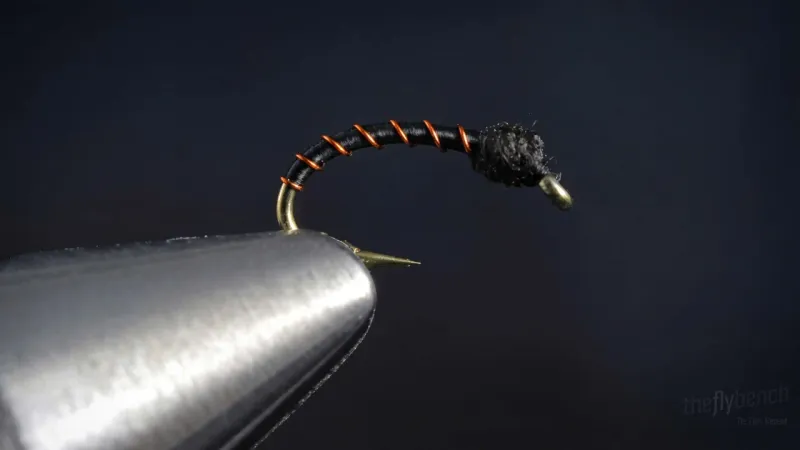
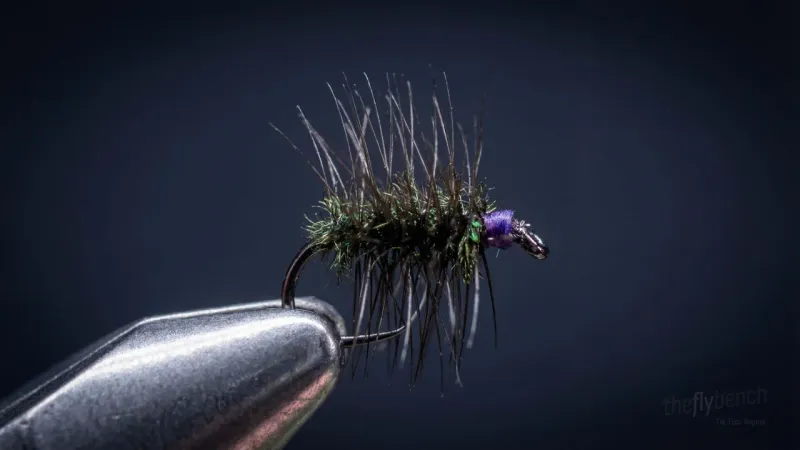
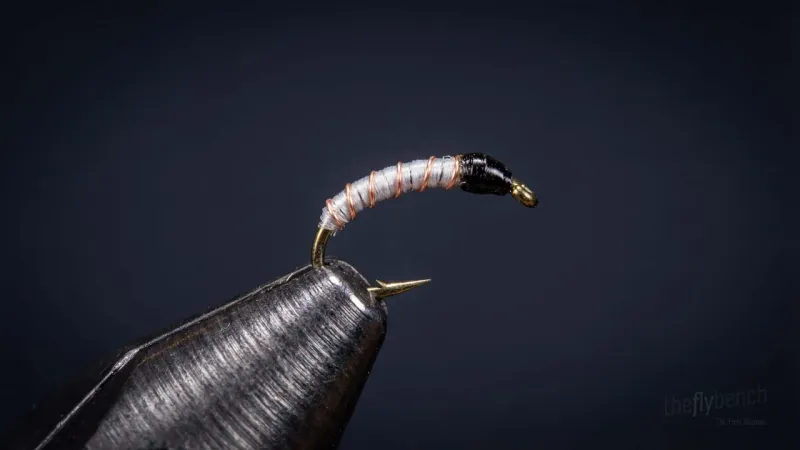
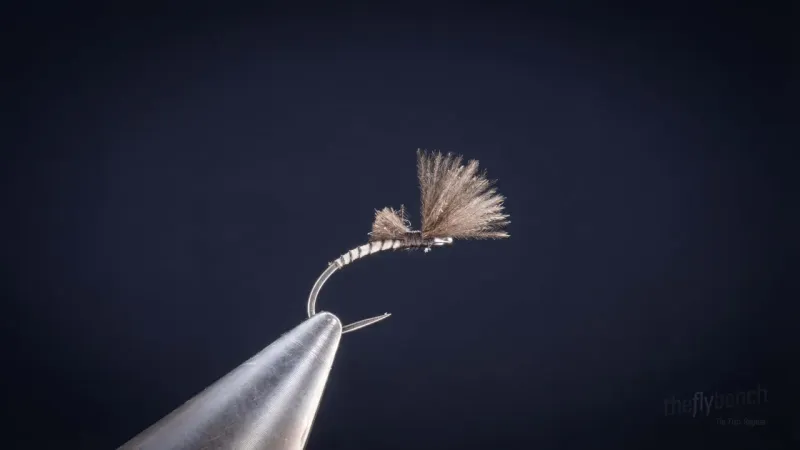
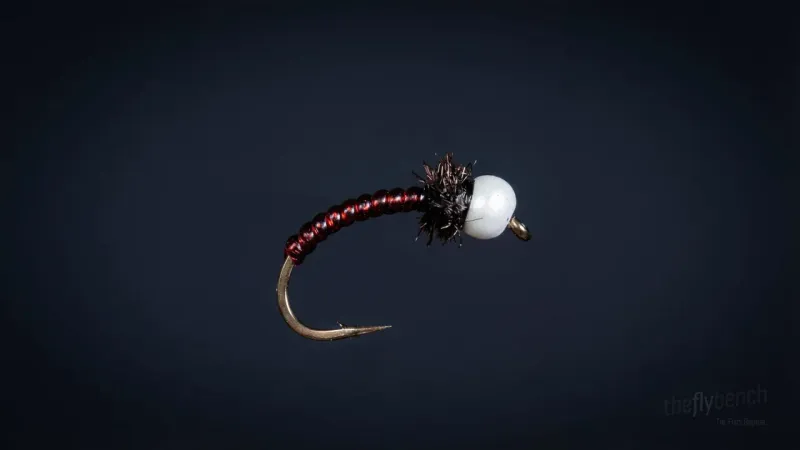
The Mercury Black Beauty is a variation of the classic Black Beauty, featuring a clear glass bead for subtle flash that entices picky trout. It's especially effective in winter and low-water conditions, and the pattern can be tied in multiple sizes and colors to match local midge hatches.
Winter, Year Round
Beginner
Trout
Apr 2025
Overview
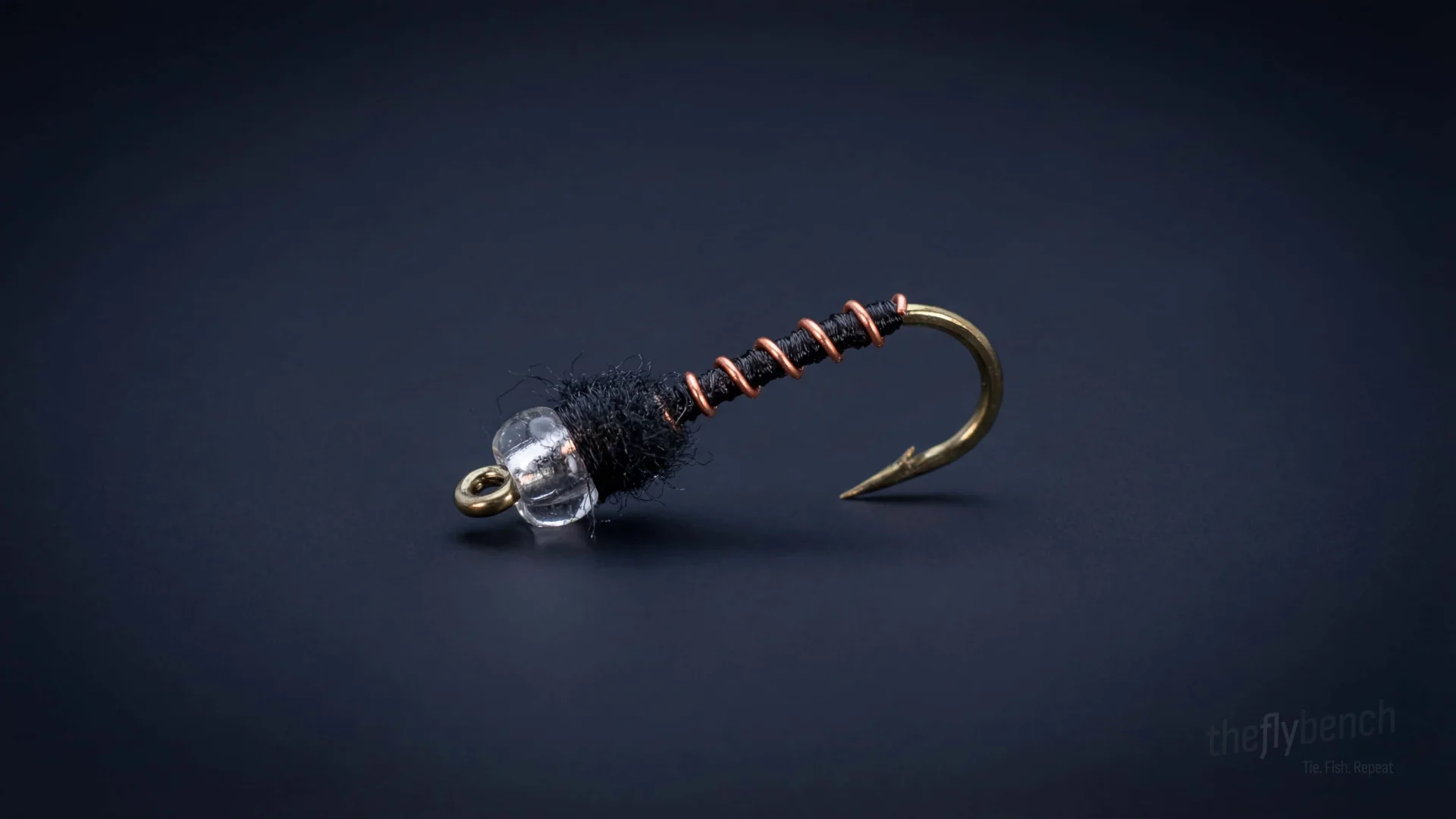
Building on the original Black Beauty, this version adds a clear glass bead behind the eye to suggest the trapped air bubble of a rising midge pupa. Black Ultra Thread 70 forms the slim body, wrapped with fine silver wire ribbing for segmentation and a bit of flash, and the whole fly is tied on a Tiemco 2487 curved hook in sizes as small as #22. A coat of Solarez Bone Dry UV resin over the body adds durability and a touch of translucence without changing the fly's thin profile. The added glass bead gives it just enough weight to fish a bit deeper than the original, making it effective in winter tailwaters and other low, clear water where trout scrutinize every midge pattern closely.
Where to Buy This Fly
We only link to fly shops we trust. Some links are referral links, which may earn us a commission at no extra cost to you.
Materials
- Hook:
- Tiemco 2487, size #18–#22
- Thread:
- Black Ultra Thread 70 denier
- Body:
- Black thread
- Ribbing:
- Fine silver wire
- Bead:
- Clear glass bead
- Resin Coating:
- Solarez Bone Dry UV resin
Behavior & Presentation
Natural Behavior: Dark-bodied midge pupae dominate in fertile waters with high organic content, ascending through turbid conditions where their silhouette contrasts against ambient light. Trout feeding on these pupae develop precise depth preferences, making presentation depth critical.
Where Trout Eat It: Lake flats, spring creeks, tailwater runs. Slow, clear water where trout inspect offerings and glass bead is visible, typically 1-3ft depth range.
How to Fish It: Dead drift with natural current speed because midge pupae cannot resist flow during emergence. Avoid any drag disrupting natural presentation. Fish alone for selective risers or as dropper below visible dry fly.
Best Water: Lake flats, spring creek pools, tailwater runs, slow water where midges abundant and trout can carefully inspect offerings.
Strike Type: Subtle indicator dip or barely visible hesitation in drift. Watch for slight resistance or tightening in shallow water.
Fishing Strategy
Rigging Suggestions: 12-16ft 5X-6X leader for delicate presentations. Clear glass bead adds subtle flash and slight weight to reach feeding zone without excessive split shot. Adjust leader length rather than adding weight to control depth.
Seasonal Timing: Particular effectiveness during winter (December-February) when midges dominate and water temperatures drop to 32-45°F. Also excellent early spring (March-April) and late fall (October-November). Target midday sessions in winter when sun warms water because temperature changes concentrate hatching.
Pro Tips: Glass bead mimics trapped gas bubble in natural midge pupae while adding weight to sink pattern into strike zone. Pattern excels when fish locked on midges in 1-3ft depth range.
Entomology
Dark-bodied midge pupae dominate in fertile waters with high organic content, ascending through turbid conditions where their silhouette contrasts against ambient light. The Black Beauty's slim profile and reflective elements mimic this distinctive shape during mass emergences. Trout feeding on these pupae develop precise depth preferences, making presentation depth critical for consistent hookups.
- Order
- Diptera
- Family
- Chironomidae
- Common Name
- Midge
- Organism Type
- insect
- Life Stage
- general