


Overview
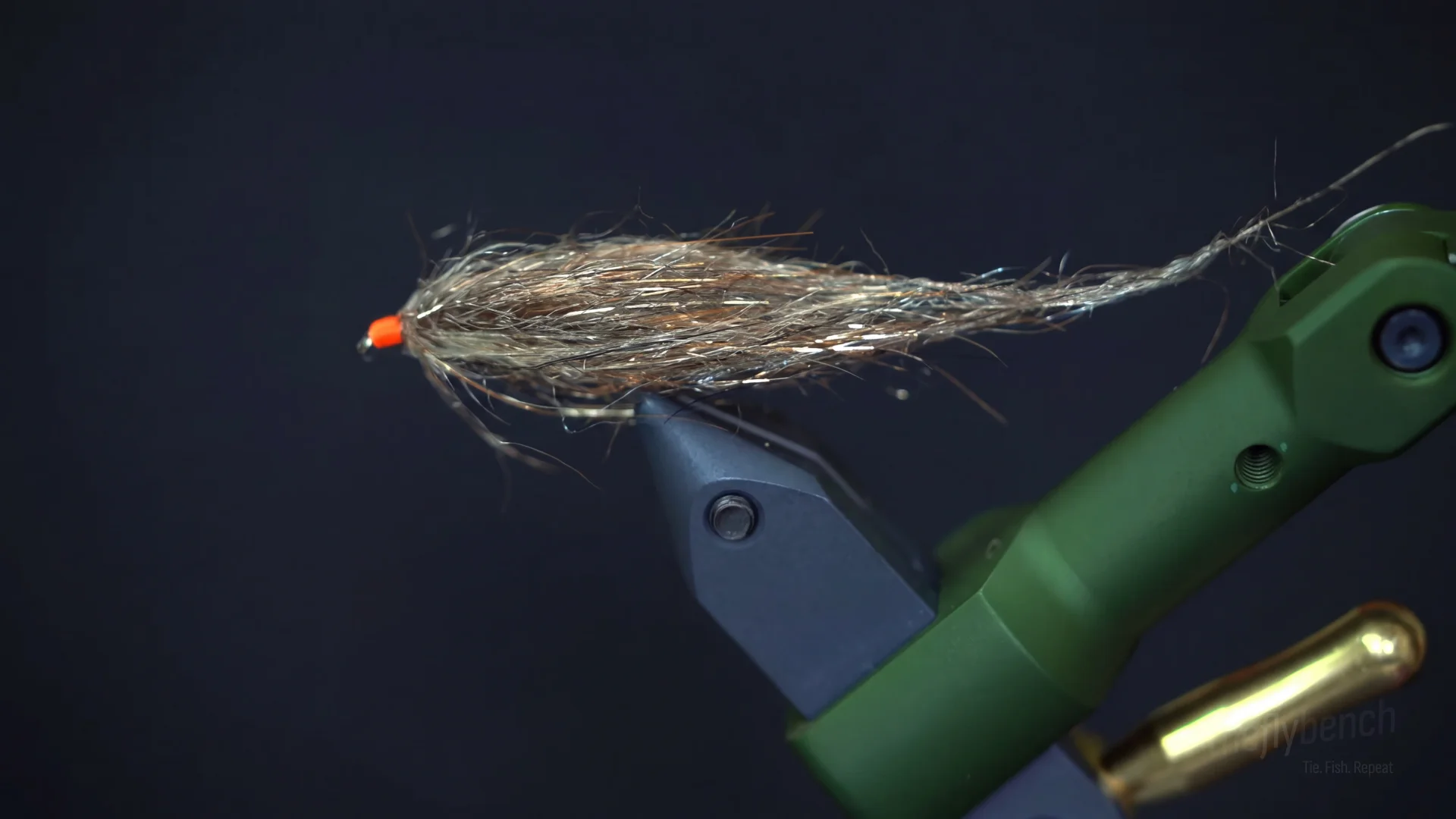
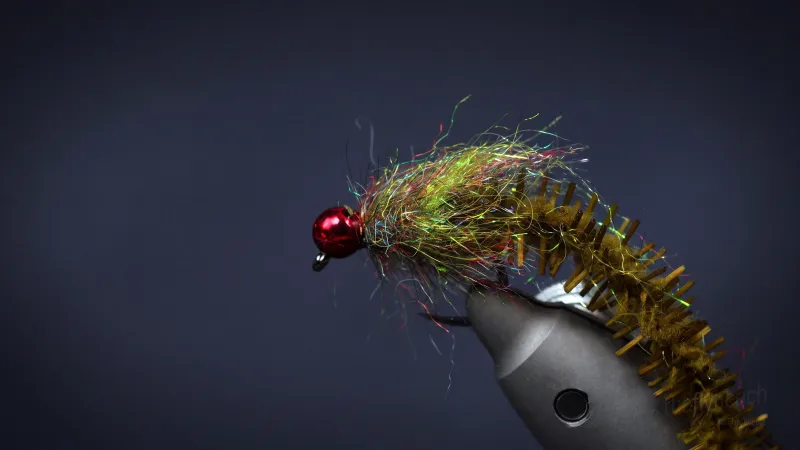
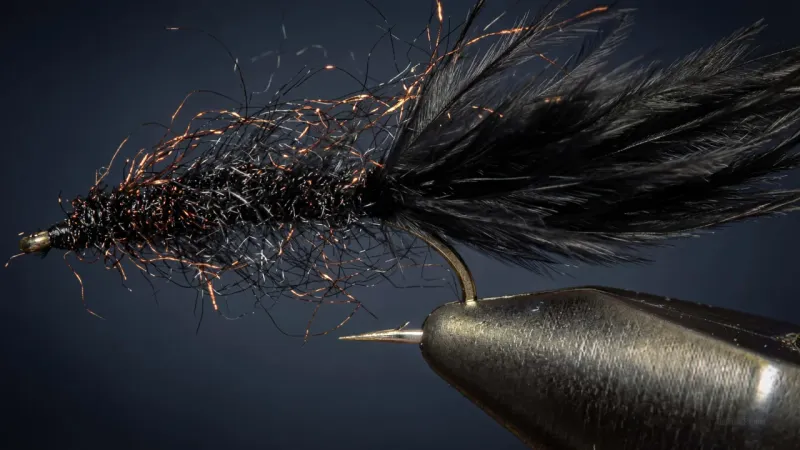
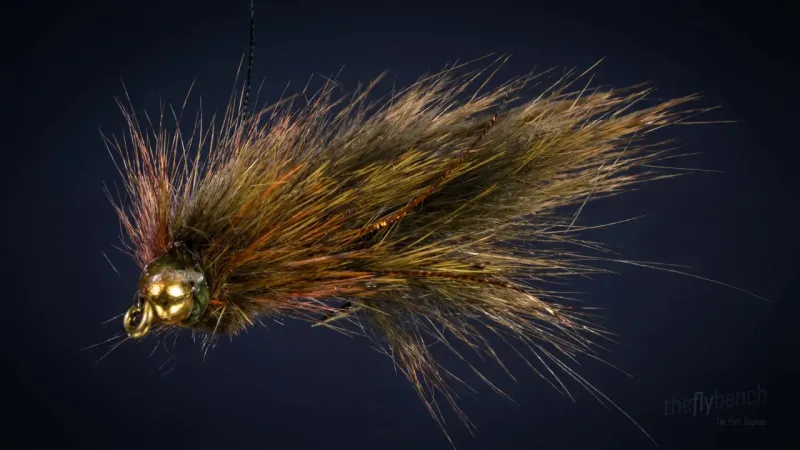
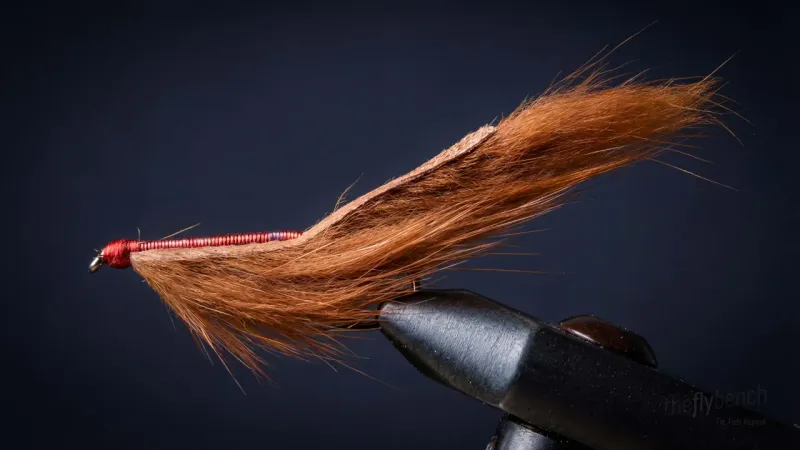
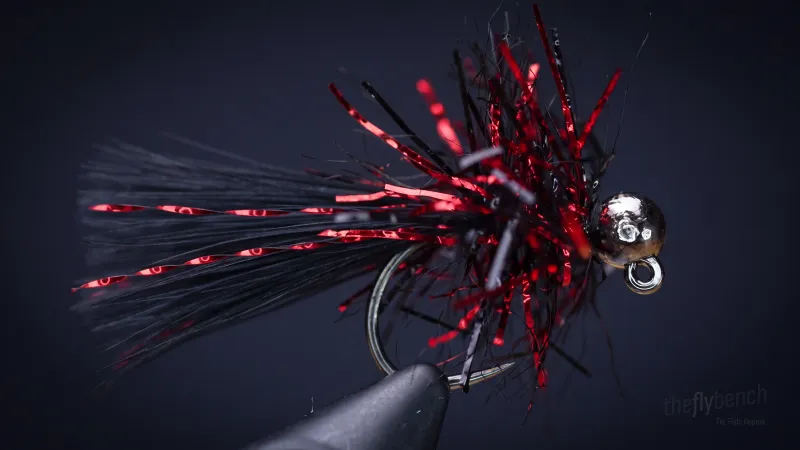
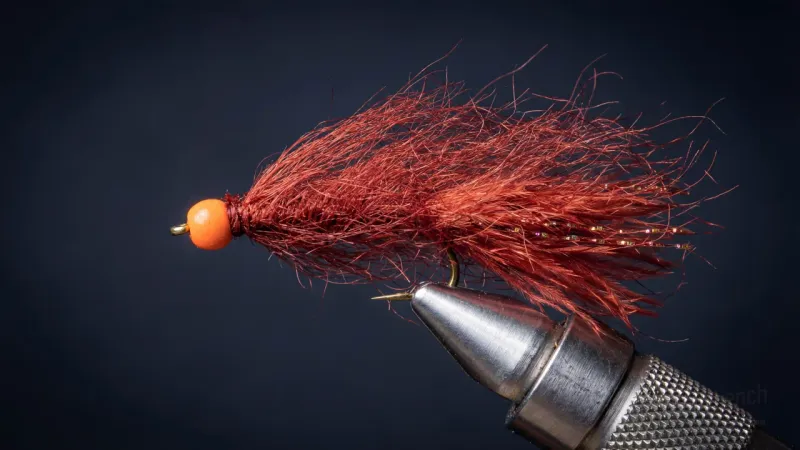
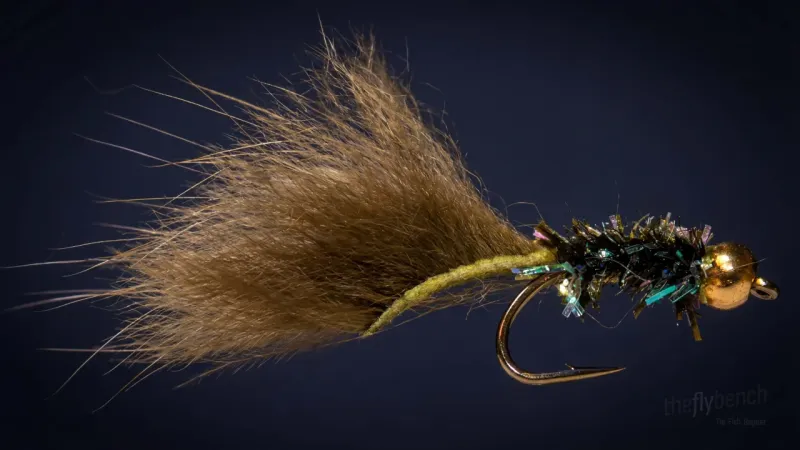
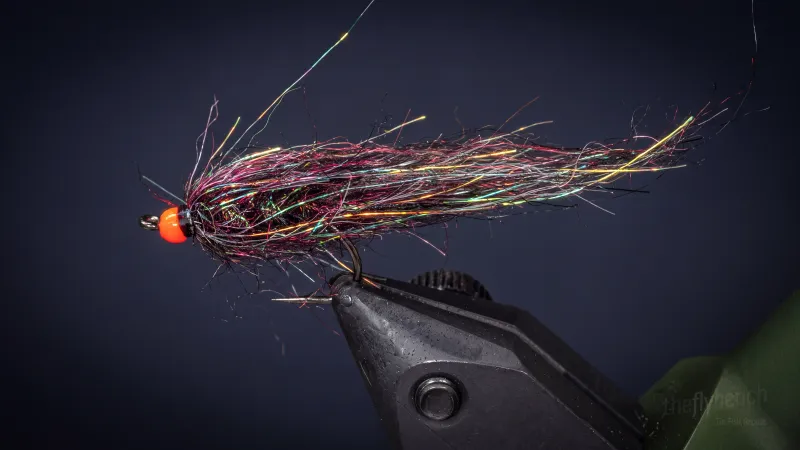
Kyle tied this leech for AvidMax's Tying Tuesday series in February 2026; the source names no originator. The tail mixes pheasant-tail Angel Hair with copper Ripple Ice Fiber, and the body is Diamond Dub spun in a dubbing loop and brushed out with a Velcro brush. The orange head is optional, but Kyle finds it adds strikes. Copper Ripple Ice Fiber stands in for a discontinued flash.
Related patterns
Behavior & presentation
- Natural Behavior
- Brown leeches leave the weeds to swim in slow, stretching undulations, then stop and settle back toward the bottom when they rest.
- Where Trout Eat It
- Lake trout cruise weed edges and the lip of drop-offs looking for them; river trout pick them up in soft water at inside bends and along slow banks.
- How to Fish It
- In lakes, count it down on an intermediate or sinking line and strip slowly with long pauses. In rivers, swing it through soft water or dead-drift it under an indicator.
- Best Water
- Weed-bed edges, drop-offs and shoal margins in lakes; inside bends, slow seams and deep back eddies in rivers.
- Strike Type
- On the strip, a soft weight or a slow, heavy pull, often on the pause as the brushed fibers settle. Under an indicator, the float just dips or stalls.
Fishing strategy
- Rigging Suggestions
- The fly carries no bead, so let the line do the sinking: an intermediate or type 3 sinking line with a 9-foot leader to 3X–4X fluorocarbon in lakes. In rivers, swing it on a sink tip or hang it under an indicator with split shot 10–12 inches above the fly.
- Seasonal Timing
- Leeches are available year-round. Fish it hardest in lakes from ice-off into June and again in September and October, and in rivers through winter and during off-colored water.
- Pro Tips
- Brush the body out well so the fibers mix with the flash and breathe on the pause. If fish follow without eating, slow down and lengthen the pauses instead of stripping faster.
Entomology
Leeches live in weed beds, rocks and soft bottom in lakes and slow rivers, swimming with an undulating motion when they move between cover or hunt. Trout eat them through every season because they are common, slow to escape and rich in protein.
- Order
- Arhynchobdellida
- Family
- Erpobdellidae
- Common name
- Leech
- Organism
- leech
- Life stage
- general
Pattern details
- Stillwater
- Moving Water
- Worldwide
- strip-retrieve
- active-retrieve
- swing
- indicator-nymph
- attractor
- searching-pattern