
Overview
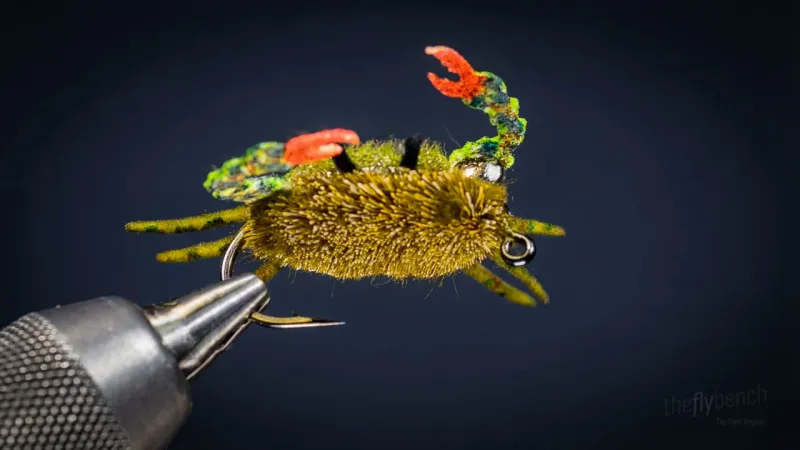
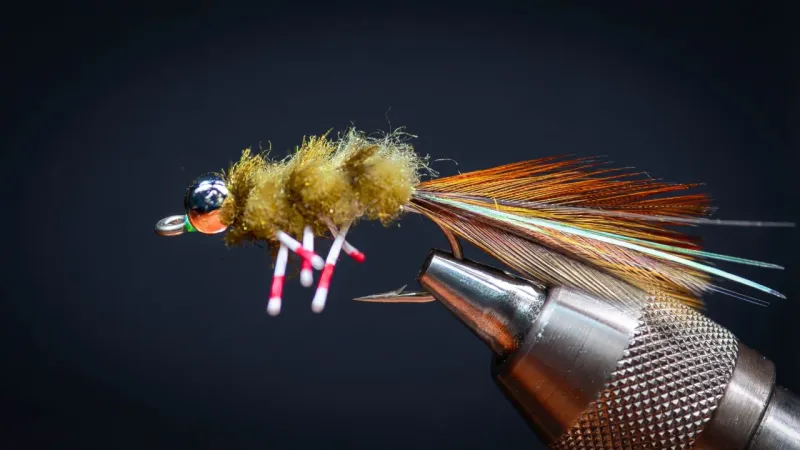
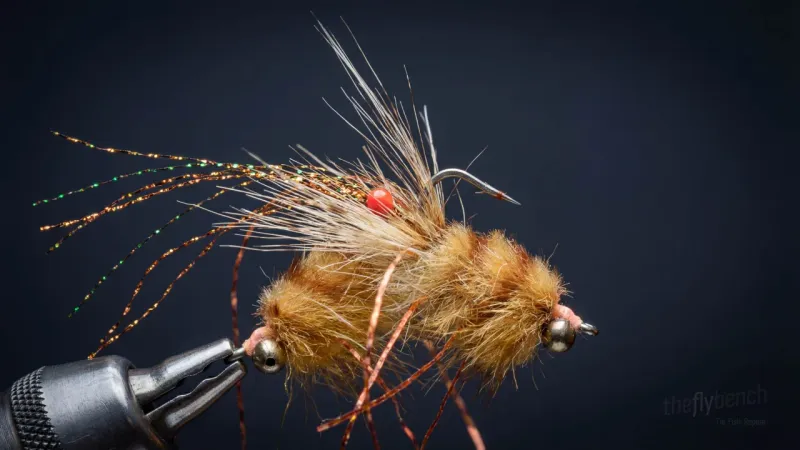
This Charlie Craven pattern from Charlie's Fly Box showcases an innovative approach to tying realistic crab imitations for demanding flats species. The combination of deer hair for the shell and rabbit strip provides both realistic appearance and enticing movement in the water. The Furry Foam underbody creates bulk while the Cohen's Crab Claws add the distinctive pincer profile that permit key on when feeding. The jig hook orientation ensures the fly rides point-up to minimize snagging on the bottom.
Related patterns

Behavior & presentation
- Natural Behavior
- Crabs scuttle sideways with claws raised, freezing in defensive alert postures between bursts of movement. When threatened on open flats, they flee toward protective cover or deeper channels. Permit and bonefish actively search sandy bottoms for these high-value crustaceans.
- Where Trout Eat It
- Permit and bonefish hunt crabs over sand, turtle grass, and mixed flats in depths from 6 inches to 4 feet. Focus on areas where crabs must cross exposed zones between protective structure.
- How to Fish It
- Let the fly settle motionless, then use subtle strips to suggest defensive scuttling. Permit often prefer stationary presentations that mimic a crab hiding in plain sight.
- Best Water
- Cover sand flats, grass edges, channels, and structure transitions methodically. Target depth changes where crabs move between zones.
- Strike Type
- Line accelerates or goes tight as fish inhale the fly.
Fishing strategy
- Rigging Suggestions
- Fish on a 9-10 weight rod for permit, 8 weight for bonefish. Use 12-16 lb fluorocarbon tippet for abrasion resistance and invisibility. A 9-12 foot leader allows delicate presentations to spooky fish.
- Seasonal Timing
- effectiveness in tropical and subtropical flats environments. Most productive when targeting permit, bonefish, and redfish in shallow water where crabs are abundant forage.
- Pro Tips
- The olive coloration matches natural crabs found on most flats. The lead eyes ensure the fly sinks quickly and lands claws-up in the defensive posture that triggers strikes from feeding permit.
Entomology
Crabs scuttle across flats with their claws raised defensively, periodically stopping in alert postures before resuming their sideways movement toward deeper water or protective structure. Permit and bonefish root them out from sandy bottoms and pursue them aggressively, valuing their meat content and the satisfying crunch of breaking through the carapace.
- Organism
- crustacean
- Life stage
- general
Pattern details
- Saltwater
- Caribbean
- Gulf Coast
- Southeast
- Rocky Mountain
- Central America
- sight-fishing
- strip-retrieve
- flats
- modern
- low-clear-water